Information and Communication Technologies (ICTs) and Electronic Learning in Afghanistan
The Society of Afghan Engineers, led by Dr. Bahawodin Baha, highlights the growth of computer science programs in Afghanistan and the challenges of e-learning in its latest publication. With actionable recommendations for enhancing ICT infrastructure and training, the paper aims to modernize higher education in the country.
Background
The Society of Afghan Engineers (SAE), through the expertise of Dr. Bahawodin Baha—a Principal Lecturer at the University of Brighton and a dedicated contributor to our society—published an in-depth technical paper on Information and Communication Technologies (ICTs) in our October 2021 eNewsletter. This publication detailed the rapid expansion of computer science programs and the state of electronic learning across universities in Afghanistan. By analyzing the historical development of these programs, evaluating the integration of digital learning systems, and identifying infrastructural barriers, we provided actionable recommendations to the Afghan government and educational institutions for modernizing the nation’s higher education system.
The Expansion of Computer Science Programs
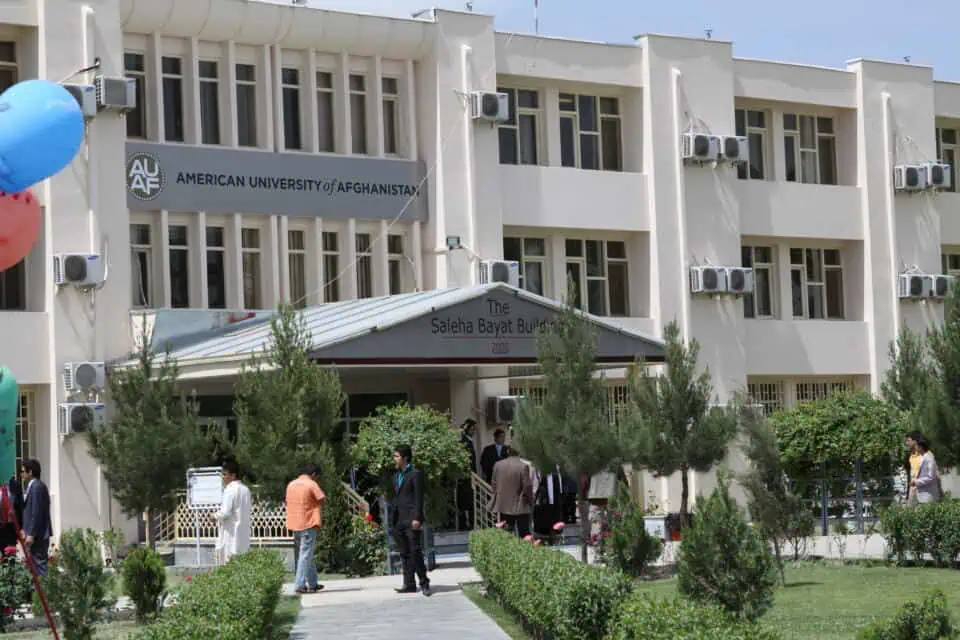
Through our publication, we examined the history and growth of computer science and IT education in Afghanistan. We noted that the first undergraduate program in computer science was established at Kabul University in 1997. Following the establishment of a new government in 2002, numerous other IT courses were introduced across the country. We highlighted that several public universities successfully adopted these programs, including Kabul University, the Information and Communication Technology Institute (ICTI), Kabul Polytechnic University, and the University of Education in the capital. Provincially, programs expanded to Balkh University, Nangarhar University, Kandahar University, Sheikh Zahid University in Khost, and Herat University, alongside many private institutions.
Catalysts for ICT Success
Our research identified several key factors that drove the successful implementation of computer science and IT courses compared to traditional engineering and science programs:
- Adoption of New Technologies: The introduction of computer technology and mobile telephones fascinated the younger generation, making IT and computer science highly popular fields of study for talented university candidates.
- Employment Opportunities: Organizations such as UN agencies and non-governmental organizations (NGOs) heavily favored computer-literate candidates, offering highly rewarding job opportunities that drive student demand.
- Donor Investment: International donors were readily persuaded to invest in computers and ICT equipment, leading to the rapid creation of new computer laboratories at most higher education institutions.
- Enthusiastic Academics: Unlike traditional science and engineering departments that suffered from a loss of experienced faculty due to war, computer science departments benefited from young, enthusiastic academics who were eager to adopt modern practices and enhance the quality of education.
Challenges in Electronic Learning (e-Learning)
While we celebrated the expansion of IT courses, we also outlined the severe limitations in applying these tools for electronic learning and remote teaching. Through Dr. Baha’s technical paper, significant hurdles preventing the successful launch of e-learning platforms in Afghanistan were identified:
- An absence of proper IT infrastructure within educational institutions.
- A lack of reliable high-speed internet access and communication networks.
- A shortage of IT-literate and experienced academics, administrative staff, and technicians.
- Intermittent electricity supplies caused by the periodic destruction of power pylons.
- Students lacking access to suitable devices to utilize online teaching materials.
- Challenges and complaints regarding the Higher Education Learning Management System (HELMS) developed by the Ministry of Higher Education.
Our Recommendations for a Digital Future
To address these deficiencies and integrate ICT into mainstream Afghan education, we proposed a series of strategic recommendations.
We recommended that the government and educational institutions develop sound national ICT policies that prioritize access to IT skills for all, improve network infrastructure in both urban and rural areas, and encourage technological research. Furthermore, we emphasized the necessity of providing comprehensive ICT training for academics and administrators, noting that progress requires educators to be willing to change their attitudes toward adopting new teaching practices. Finally, we advised against the immediate deployment of large-scale, expensive Learning Management Systems (LMS) like Blackboard or Canvas, and instead offered to share our expertise to help institutions implement practical, cost-effective solutions tailored to Afghanistan’s unique constraints.