Kabul City Groundwater Aquifer Storage and Recovery
The Society of Afghan Engineers (SAE) has developed innovative strategies to tackle Kabul’s escalating water crisis, advocating for Aquifer Storage and Recovery (ASR) programs and localized recharge methods. Their comprehensive studies highlight urgent solutions like constructing new dams and creating dug wells to replenish depleting aquifers and secure the city’s water future.
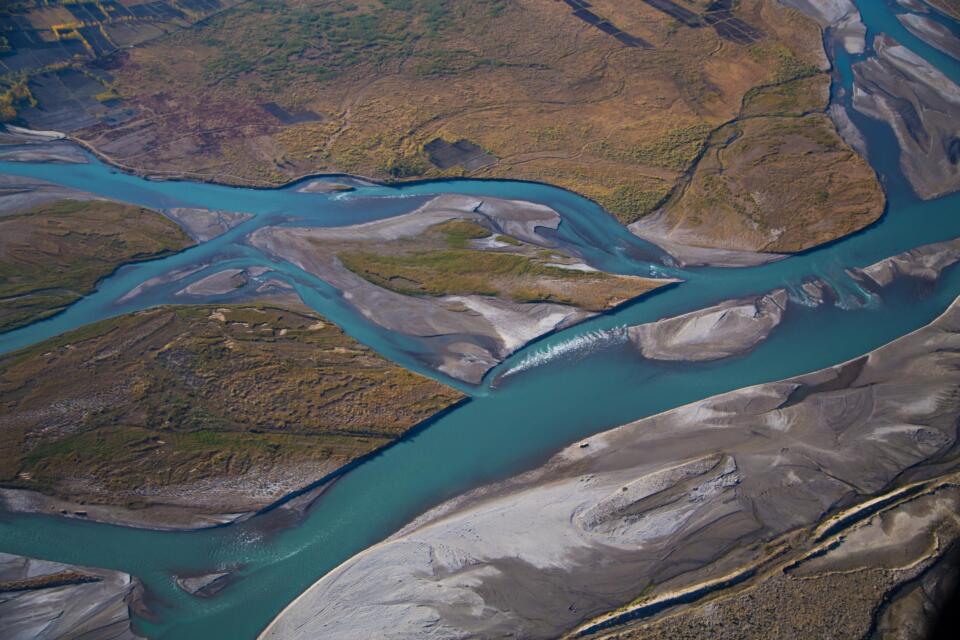
The Society of Afghan Engineers (SAE) authored technical studies and advanced strategic proposals to manage the severe water crisis in Kabul City. Through research published in our quarterly eNewsletters and presented at our conferences from 2019 to 2023, our engineering experts have detailed how to artificially recharge depleted aquifers using Aquifer Storage and Recovery (ASR) programs, new and existing dams, and localized recharge wells to secure the water future of the Afghan capital.
The Scope of Kabul’s Water Crisis
Our research has extensively documented the severe environmental and humanitarian challenges threatening the groundwater supply of Kabul. The city’s population has grown dramatically, increasing from an estimated 500,000 residents in the year 2000 to more than 6 million by 2023, and is projected to reach approximately eight million by 2050. This rapid urbanization has led to a reduction of water absorption surfaces through the increased use of asphalt and concrete, preventing natural precipitation from infiltrating the ground.
Simultaneously, droughts have hindered the ability of the Kabul, Paghman, and Logar rivers to naturally recharge the aquifers through seepage. These factors, combined with unregulated private well drilling, excessive pumping for commercial use, and the elimination of critical wetlands, have placed immense stress on Kabul’s groundwater. Our studies note that the groundwater level has been decreasing by an average of 1.5 meters per year, with declines of up to 30 meters observed in certain monitoring wells. Without intervention, these conditions threaten to completely deplete the city’s underground water reserves within a decade.
Proposing Aquifer Storage and Recovery (ASR)
To combat this crisis, we have published a multi-part technical series authored by our former Vice President, Amanullah Mommandi, proposing the implementation of Aquifer Storage and Recovery (ASR) programs. An ASR program involves the direct injection of available surface water into an aquifer for storage, which can later be extracted for use during periods of high demand.
To provide adequate water to support this ASR program, Mommandi analyzed streamflow data and recommended utilizing water from multiple sources. He advocated for leveraging the Shah-wa-Arus Dam on the Shakardara River and the Shatoot Dam on the Kabul River, both of which are currently under construction.
Furthermore, he proposed the construction of two entirely new dams:
- Sangi Naweshta Diversion Dam: A 25 to 30-meter dam on the Logar River to divert surplus water after the crop season, which would recharge deep well aquifers in the Bagrami area and support local wetlands.
- Tang-I-Gharu Dam: A storage dam across the Kabul River at the mouth of Tang-I-Gharu to capture spring runoff from January to June. In addition to supplying water for the ASR project, this dam would retain abrasive sediments, thereby extending the operational life of the downstream Mahipar Hydroelectric Power plant and the Naghlu reservoir.
Immediate and Localized Recharge Strategies
In addition to large-scale infrastructure, we have published research proposing localized, cost-effective methods for aquifer recharge. Mr. Sayed A. Azimi, an SAE member and president of Technologists, Inc., published a study in our newsletter evaluating data collected from 22 Kabul districts over a 20-year period. To prevent further reduction of water levels, his study proposed constructing dug wells throughout the city to systematically collect surface runoff and refill the aquifers. We noted that this technique would not only recharge the water table but also help mitigate the prevalence of dust storms and related respiratory health issues caused by the arid environment.
We also published immediate, actionable steps to support the ASR initiative, such as leasing farmland during the off-season to pond water from existing irrigation systems. This practice would slowly recharge shallow aquifers while simultaneously generating off-season income for local farmers. Additionally, we recommended the installation of recharging pumps directly along existing irrigation ditches.