Capacity Development for a Self-Reliant Afghan Engineering Sector

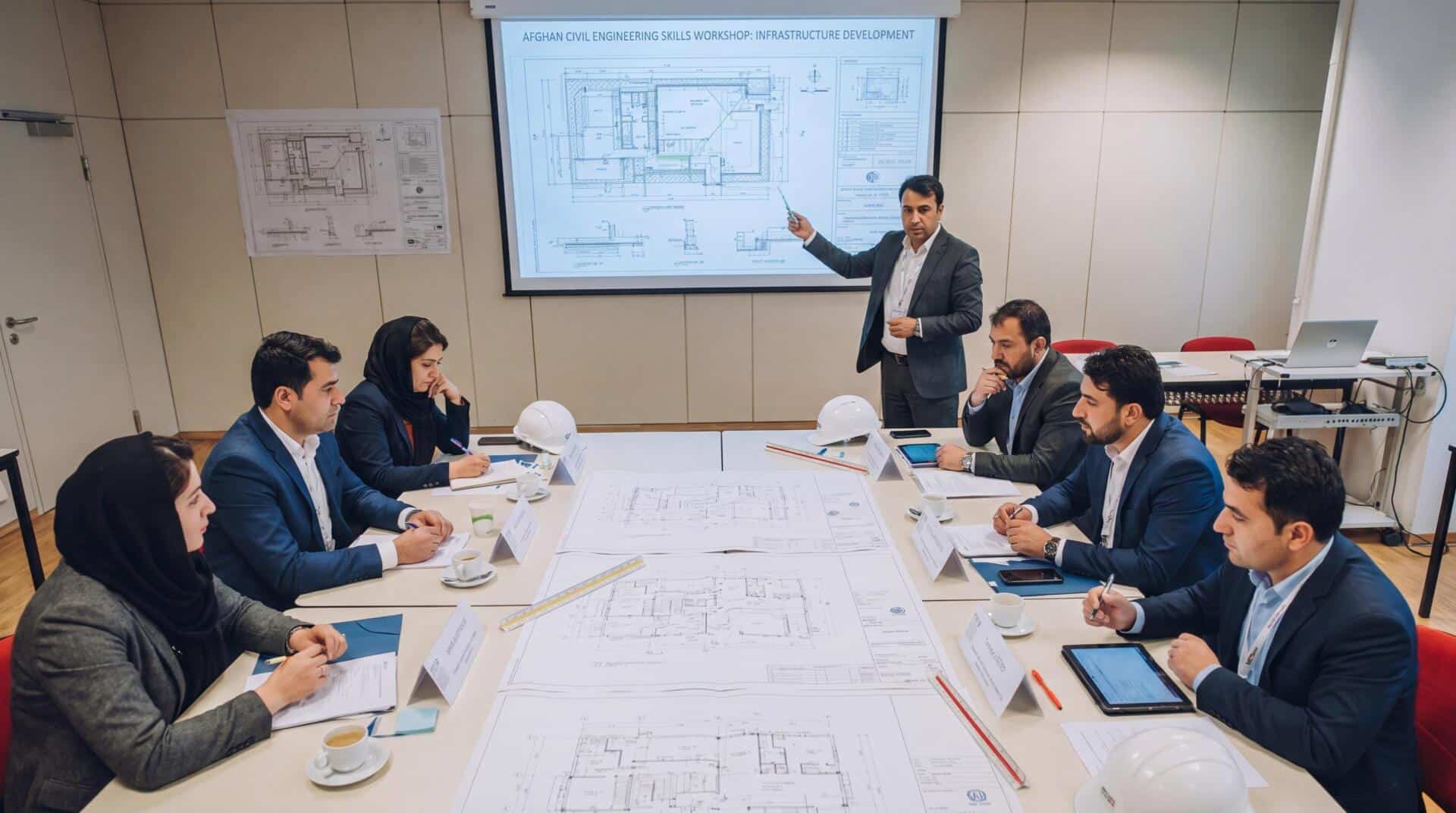
Lasting reconstruction depends on local capability. SAE mobilizes our members’ collective centuries of engineering experience to deliver targeted training, workshops, and mentoring that strengthen Afghan universities, ministries, and private-sector teams. Browse the examples below to see how SAE capacity development—through volunteer programs, Kabul University–hosted workshops, and in-country professional training—builds the skills and systems that keep projects performing long after completion.

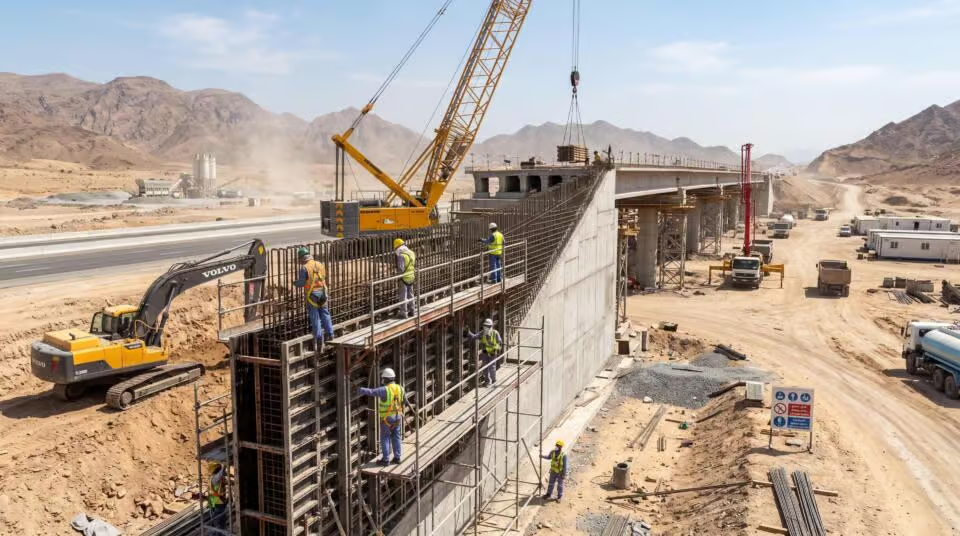
Wingwall Design of Skewed-Crossing Concrete Box Culverts

The Society of Afghan Engineers, led by Eng. Amanullah Mommandi, has published essential technical guidance to improve the design of skewed concrete box culverts in Afghanistan, addressing critical hydraulic inefficiencies. This initiative aims to enhance infrastructure stability and prevent failures, providing actionable recommendations for local engineering bodies.

Learn More →
Kabul City Groundwater Aquifer Storage and Recovery

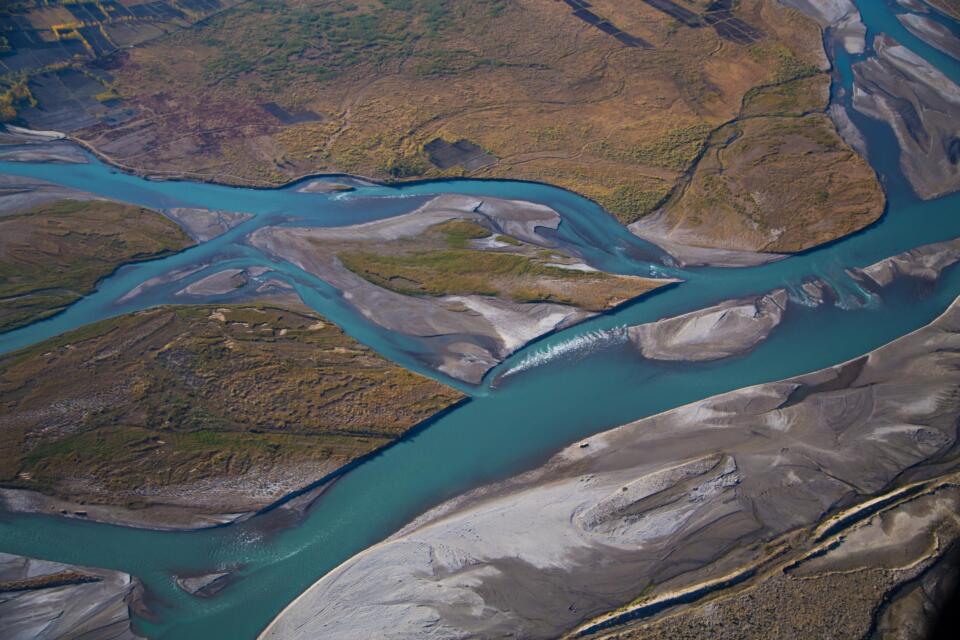
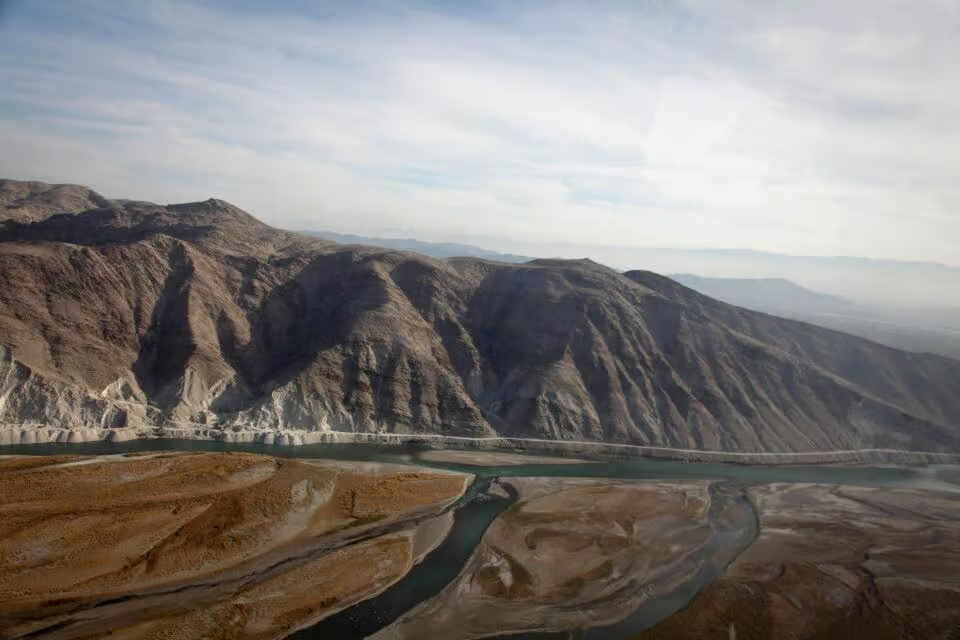
The Society of Afghan Engineers (SAE) has developed innovative strategies to tackle Kabul's escalating water crisis, advocating for Aquifer Storage and Recovery (ASR) programs and localized recharge methods. Their comprehensive studies highlight urgent solutions like constructing new dams and creating dug wells to replenish depleting aquifers and secure the city's water future.

Learn More →

Joint Conference on Waters of Afghanistan and e-Governance (2019)

On April 27, 2019, the Society of Afghan Engineers and the Afghan Academy of Northern Virginia hosted a pivotal conference in Alexandria, VA, titled "Waters of Afghanistan and e-Governance." Experts Eng. Mohammad Hashim Rayek and Mr. Farid Abass delivered insightful presentations on Afghanistan's water resources and the transformative potential of electronic governance.

Learn More →

Championing Renewable Energies and Power Distribution in Afghanistan

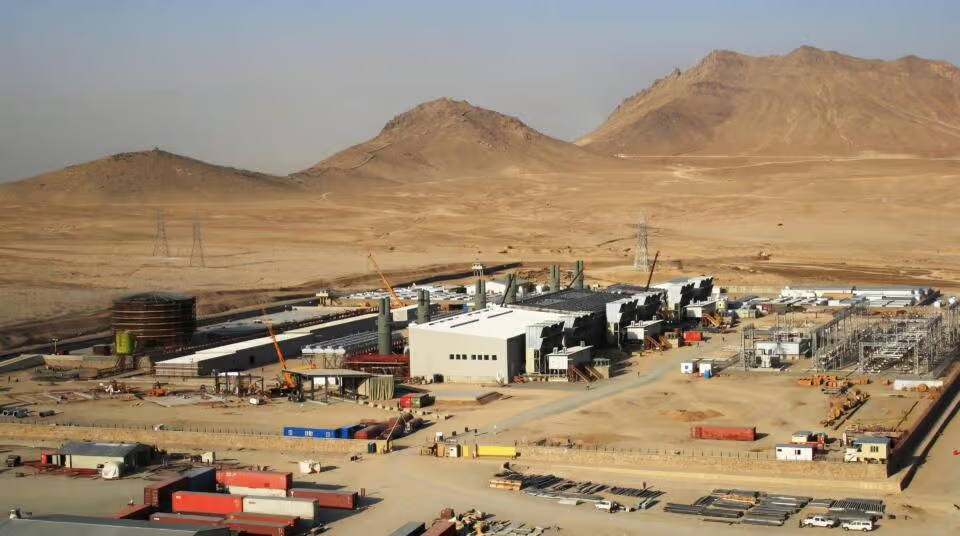
The Society of Afghan Engineers, in partnership with Afghan Education for a Better Tomorrow, is empowering the next generation of Afghan engineers through innovative tele-education seminars on renewable energy. These initiatives aim to harness Afghanistan's vast potential in solar, wind, hydro, and geothermal resources, paving the way for a sustainable energy future and reducing dependency on fossil fuels.

Learn More →

Tele-Education and Virtual Classes

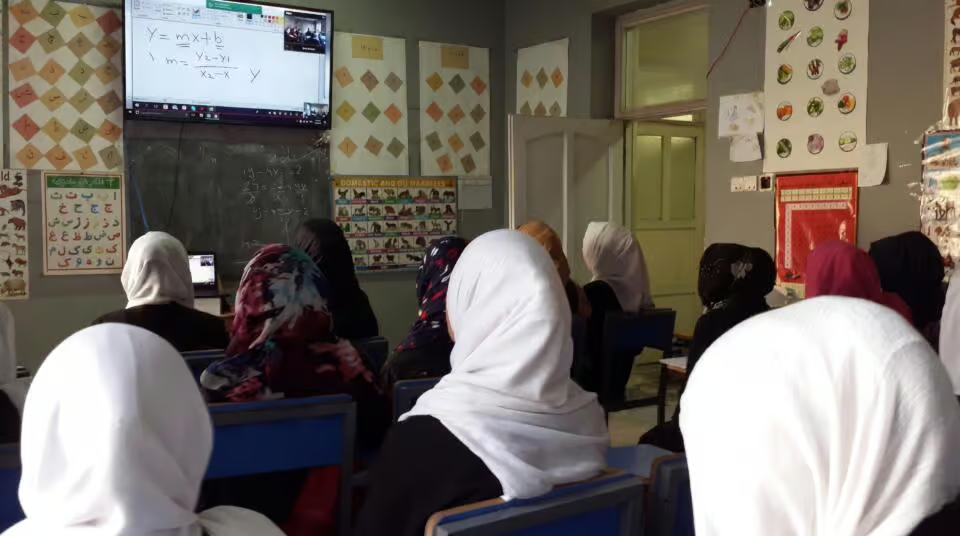
The Society of Afghan Engineers, in collaboration with Afghan Education for a Better Tomorrow and Afghan Architecture Studio, is transforming education in Afghanistan through virtual engineering and architecture classes. By leveraging tele-education, they empower both male and female students, ensuring access to vital STEM knowledge and skills essential for rebuilding the nation's infrastructure.

Learn More →

Two-Week Course at Herat University (2014)

In 2014, we launched a transformative two-week geotechnical engineering training in Afghanistan, led by Dr. Mohammad Saleh Keshawarz. This program united local technical personnel and Herat University students, enhancing their skills in water resource management and laying the foundation for future engineering excellence.

Learn More →

2011 MEW Capacity Building Initiative

Our initiative to strengthen Afghanistan's infrastructure focuses on empowering local engineers through specialized training in Quality Control and Quality Assurance. In partnership with the Ministry of Energy and Water, we successfully trained 33 professionals in advanced construction methodologies, ensuring a lasting impact on the country’s irrigation systems and beyond.

Learn More →

The Bamiyan Housing Design Competition

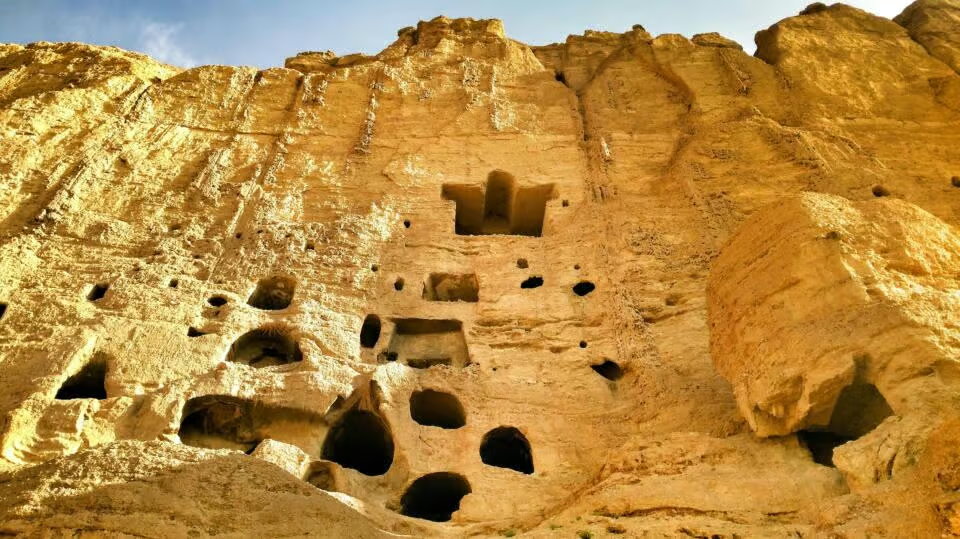
The Society of Afghan Engineers recently hosted an International Student Design Competition aimed at creating sustainable housing for war-displaced families in Bamiyan. With a focus on cultural preservation and social responsibility, the competition attracted 23 entries from around the globe, showcasing innovative solutions to improve living conditions while protecting Afghanistan's rich heritage.

Learn More →