Salang Tunnel Rehabilitation
We are proud to have supported the rehabilitation of Afghanistan’s crucial Salang pass through emergency repair designs, expert consultations, and a comprehensive review of long-term feasibility studies. Our commitment to incorporating Afghan expertise alongside international partners has been recognized by the Ministry of Public Works.
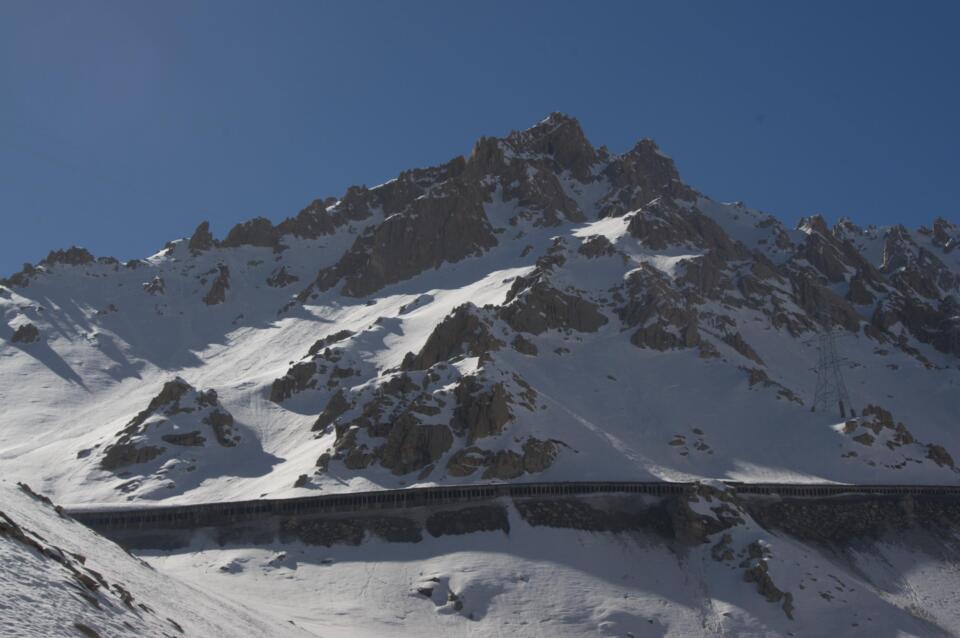
We have been deeply involved in providing technical assistance for the rehabilitation of the critical Salang pass, which serves as a vital link connecting the northern and southern regions of Afghanistan. Our contributions have spanned from designing emergency repairs for the existing tunnel to reviewing comprehensive, long-term feasibility studies for alternative routes.
Emergency Repair Design and Specifications
In 2012-2013, when the Ministry of Public Works (MoPW) required urgent technical support, we established a special task force that worked tirelessly alongside the Ministry to support the execution of temporary emergency repairs on the Salang Tunnel.
- Design Plans and Technical Documentation: Our task force prepared the specific design plans and specifications for these emergency repairs. Based on site condition surveys provided by MoPW staff, we compiled and submitted a comprehensive 30-page technical document containing the repair plans and specifications to the Ministry.
- Site Visits and Consultation: Two of our Board members, Mr. Abdul Manan Khalid and Mr. Amanullah Mommandi, participated in a dedicated site visit to the Salang Tunnel at the direct request of the Minister of Public Works. We provided consultation and proposed specific repair details to the MoPW; however, subsequent budgetary constraints ultimately led to the repairs being conducted by the US military according to their own standards.
- Official Recognition: In recognition of our dedicated assistance in the design of the emergency repairs, we were honored to receive an official certificate of appreciation from the MoPW.
Reviewing the Feasibility Study for Alternative Routes
In addition to emergency repairs, we played a significant role in reviewing the 50-year planning and feasibility studies for the Salang pass. When the United States Agency for International Development (USAID) retained international consulting firms—specifically Tetra Tech and the Louis Berger Group—to examine tunnel rehabilitation options and roadway alternatives, the MoPW requested our professional input.
The feasibility study explored several alternatives, including rehabilitating the existing tunnel, constructing a new tunnel adjacent to the existing one, constructing a new tunnel in a lower pass, or building an entirely new alternative route without a tunnel.
Our review process included the following steps:
- Document Dissemination: After the USAID engineers recommended an option that included constructing a new tunnel next to the existing one and improving existing roadways, the MoPW forwarded the feasibility study presentations and detailed reports to our Executive Committee and Board of Directors. Our President promptly disseminated both the Dari and English versions of these documents to our membership and subject-matter experts to gather their feedback.
- Expert Compilation: We successfully collected and compiled detailed review comments, rationales, and suggestions from 17 of our expert reviewers.
- Final Submission: After a thorough review of the preliminary presentations and the subsequent detailed reports, we submitted our comprehensive compilation of recommendations to the Ministry to assist the Afghan government in selecting the most viable alternative route.
Collaboration with International Partners
To ensure that Afghan expertise was utilized in this massive infrastructure project, our representatives attended the feasibility study presentations hosted by the USAID contractors in Kabul. During these meetings, we strongly emphasized the benefits and necessity of incorporating Afghan professional experience and talent into the international design teams. We also formally reached out to the project leaders at the Louis Berger Group, affirming our readiness to provide any further assistance needed to ensure the success of this vital infrastructure initiative.