SAE Newsletter – 2013-01 – Volume 3, Issue 1
Focuses on conserving Afghanistan’s historic urban architecture while featuring insightful keynote presentations on building the nation’s human capital and employing warm mix asphalt.
January 2013, Volume 3, Issue 1, Jadi 1391
P.O. Box 11520, Burke, Virginia 22009-1520
Dear Colleagues,
This issue of the SAE eNewsletter (newsletter) features the topic about Conservation Activities of the Historic Urban Architecture in Afghanistan. The SAE General assembly was held on December 15, 2012. The two presentations of that assembly are included in this newsletter. One of the topics, entitled, Powering Afghanistan by Afghans: The Role of SAE in Building the Nation’s Human Capital was presented by the keynote speaker, Dr. Qayoumi, President of San Jose University. The second topic was about Warm Mix Asphalt for Afghanistan and it was presented by Dr. Sargand, Professor of Ohio University. There is an interview with Ms. Sohaila Shekib, a member and past SAE President. She is currently the President and founder of Sanie Consulting Group, LLC. We hope that you find this issue of the newsletter informative. Please contribute to your newsletter by sending us technical related news, articles, comments, suggestions, questions, and opinions.
Very Truly Yours,
Ghulam Mujtaba G. Mujtaba, MS- CE, P.E., CPM
Editor-In-Chief, SAE eNewsletter
“This issue of the SAE eNewsletter (newsletter) features news about the Conservation Activities of the Historic Urban Architecture in Afghanistan.”
Inside This Issue
- 2 Greetings from SAE President
- 3 Responses to Readers’ Comments
- 5 Technical news from Afghanistan
- 5 The Conservation Activities of the Historic Urban Architecture in Afghanistan
- 11 Afghan Professional Community News From Abroad
- 11 Powering Afghanistan by Afghans: The Role of SAE in Building the Nation’s Human Capital
- 16 Warm Mix Asphalt for Afghanistan
- 20 Interview with Sohaila Shekib, a member and Past SAE President
- 25 A Glance at Books and Publications
- 25 Heritage and Sustainability in the Islamic Built Environments
- 27 Membership News
- 30 Conference
- 32 Membership Updates
Greetings From The SAE President
Dear Members of the Society of Afghan Engineers:
This year is the third year of the publication of the SAE eNewsletter and the second year of the service term of your elected Society officers. The quarterly issues of the electronic newsletter are disseminated to all Society members. The SAE management team has urged their members who are traveling to Afghanistan to extend their travel time while in Afghanistan to meet with their colleagues and offer training courses or workshops. The governmental agencies and private companies in Afghanistan have found this initiative to be beneficial.
The SAE Officers held a general assembly teleconference on December 15, 2012. It is privilege that in this teleconference we heard the voices of our colleagues, scholars, college deans, professors, architectural/engineering company owners and other distinguished professionals from Afghanistan, Canada, and different states of the United States. It is appreciated that H.E. Mr. Najibullah Aoudjan, Minister of Public Works; and Dr. M. H. Qayoumi President at San Jose State University have taken the time from their busy schedule and spoke during the general assembly. Dr. Sargand, Professor of Ohio University spoke about warm mix asphalt for Afghanistan.
Thanks to all of you for the trust and confidence in your elected officers. It is indeed an honor and privilege for me to serve as the President of the Society. We should appreciate the work of all past officers of the Society. Hopefully, we, the current Board of Directors, Executive Committee and other Committee members, Local Chapters, continue to build on the legacy of our past officers to perform our responsibilities in such a manner that meet your expectations and the expectations of other professionals of our native land, Afghanistan.
One of the main activities of the society in 2012 was the formation of committees. The officers and counselors of a few committees have been appointed. The remaining committees need volunteers to serve as their officers. We are hoping that the Society members participate, at least, in one of the main committees or subcommittees of their choices. The achievement of the short or long-term goals of the Society of Afghan Engineers requires teamwork and active participation of the volunteer members. I am certain that your active participation in one of the committees/subcommittees will bring further improvement and success for the Society. It is my hope that during our service term we work together to make a difference. Our relevance (persistence to the matter) and participation will bring success. We are looking forward to the continued success of our Society.
Very Truly Yours,
Ghulam Mujtaba G. Mujtaba, MS- CE, P.E., CPM
President, the Society of Afghan Engineers
Responses To Readers’ Comments
Comments from Engineer Toryalai Fazil from Afghanistan
Dear Mr. Luis Durani,
Greeting to SAE Leadership I really like this newsletter, especially its fourth issue, dated October 2012. But I have the same suggestion as mentioned by Mr. Alokozi Sahib. In Afghanistan, the SAE leadership should facilitate the participation of the SAE members in the seminars and training programs. I suggest that the SAE members should have special SAE membership ID card. This will help the members to easily participate in the seminars and meetings that held by SAE.
Best Regards,
Toryalai Fazil
Response to Engineer Toryalai Fazil’s Comments
The President responded to Mr. Fazil by email on the date that he received his email. The following are the contents of his email response with modification for the newsletter.
Dear Engineers Sahib Fazil,
This is in response to your email of October 13, 2012, addressed to Mr. Luis Durani, the SAE Secretary. Thanks for your kind words about the fourth issue of the newsletter. The SAE officers and newsletter editorial Board will be very pleased to read your email. I have copied them in this email.
I responded to Mr. Alozai’s comments about seminars, trainings, and formation of SAE Chapter in Kabul. My responses are included in the Fourth Issue of the Newsletter.
The issue of the formation of the SAE Chapter is on the agenda of Board’s upcoming meeting. I have copied Mr. Kadir, Chairman of the Board for his consideration. You have mentioned about SAE Membership card. I have copied Mr. Saber Sarwary, Chairman and Mr. Naim Shahab Manager of the Membership Committee in this email for their considerations.
It should be noted that the preparation and delivery of membership card are excellent suggestion. However, it requires volunteer staff members and budget to prepare and send membership cards from SAE central office to more than 600 members by post office delivery mails. With limited annual membership fee contributions, we have to find other ways to do that. In my opinion, it will be better if SAE Local Chapters in each area issue their membership cards to members of their Chapters. As I mentioned these options have to be discussed by Membership Committee, Local SAE Chapters, and Board of Directors.
Thanks for your comment and suggestions.
Comments from Engineer Dr. Zarjon Baha, Professor Purdue University
Dr. Zarjon Baha has sent the following email to SAE President on December 16, 2012 related to the SAE General Assembly, which was held on December 15, 2012.
I attended the SAE telephone conference from 1:00 PM to 4:20 pm yesterday and had to leave for another appointment which was at 4:30 pm. I was pleased to see that the program went well and the content was good too.
I will be interested to see what will come out of Mr. Hasan Nouri and President Qayoumi’s meeting today and I think this is an important issue that should be pursued further.
I also recommend that we give special membership, say $5 or $10, for engineering students who may be born outside of Afghanistan but may have interest to be in contact with the land of their parents. This way we could keep the interest in Afghanistan beyond of our generation.
I was impressed how much Mr. Khalid and Mr. Mommandi had accomplished in their private trip to Afghanistan. I wanted to congratulate you and the rest of the SAE team for conducting a very successful telephone conference call.
Wish you all the best and have a great day.
Zarjon
Response to Engineer Dr. Baha’s Comments
The SAE President responded to Dr. Baha by email on December 17, 2012. The following are the contents of his email response with modification for the newsletter.
Dear Doctor Sahib Baha: Salam,
We were very pleased that you attended the teleconference. Your participation in the conference certainly helped us to receive your valuable comments and suggestions related to the improvement of our future meetings, conferences, and further development of the Society activities.
The last part of the conference was question and answer session. The teleconference was adjourned at 4:55 PM. The minutes of the meeting will be disseminated and will include the information that you missed. Also, President Qayoumi and Professor Sargand’s presentations will be published in January 2013 issue of SAE eNewletter.
Thanks for your comments related to the conference program and its contents. I have copied all participants who were involved in the presentations.
You have mentioned that you are interested to know about the results of Mr. Nouri and President Qayoumi’s meeting regarding the training program. I have copied them in this email for their information and comment related to your inquiry.
You have mentioned about Student Membership. I concur with your suggestion and copy Board members to include this item as part of the agenda of the Board of Directors’ meeting. The SAE Manual has included a Membership Subcommittee and Doctor Sahib Ebadi has been nominated as its Board Counselor. The Subcommittee Chairman and Vice Chairman’s positions are vacant. The student membership fee needs discussion during Board of Directors’ meeting and possibly modification of bylaws.
Yes, Mr. Khalid and Mr. Mommandi accomplished good job during their trip to Afghanistan. We have received good feedback from participants of their training programs.
Thanks for your congratulation statement regarding conference call. Your support, valuable comments, and suggestions will bring further success.
Technical News From Afghanistan
In this issue of the newsletter the report about the conservation activities of the historic urban architecture in Afghanistan is included.
The Conservation Activities of the Historic Urban Architecture in Afghanistan
By: Bashir Kazimee, AIA, Professor of Architecture at Washington State University
The author was invited to visit Kabul under the joint Visiting Professorship program of Aga Khan Trust for Culture and the Faculty of Engineering at Kabul University in August 2011 and again in July 2012. The purpose of the visit was to deliver lectures and organize design workshops focusing on urban conservation and sustainable architecture for the students at Kabul University and Kabul Polytechnic. Also, similar programs were delivered to young professional architects and city planners of the Kabul Municipality and the Ministry of Urban Development. The program was aimed at raising the quality of higher education particularly as it was related to the planning and conservation efforts in the historic cities of Afghanistan. Since 2010, the program organizer, Dr. Abdul Wassay Najimi at the Aga Khan Trust for Culture in Kabul, in close collaboration with the Faculty of Engineering at Kabul University, has invited several experts and scholars around the world to contribute to this program. The program has been partly funded by the US Embassy in Kabul.
Within the framework of an emerging national urban conservation mandate and recognition of the need for the protection of historic urban fabric and heritage sites in the cities, Kazimee carried out design workshops with the university students and young Afghan professionals to promote appropriate form of development within key surviving fabrics of the Old City of Kabul (fig.1).
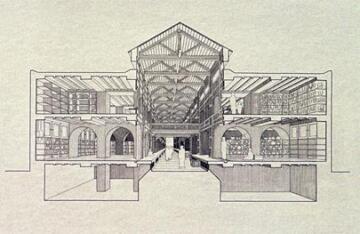
One of the design workshop focused on the restoration and reconstruction of the historic bazaar of Char Chatta, where Kazimee’s familiarity with the project goes back to as early as 70’s when he and a group of architects and engineers from Faculty of Engineering at Kabul university took part in preparing schematic drawings for the reconstruction of the historic Bazaar (fig. 2).
The Char Chatta Bazaar’s history dates backs to the 17th century and its construction was first commissioned by a famous Kabul governor, Ali Mardan Khan. Char Chatta Bazaar provided for the main commercial needs of the city and was a covered bazaar as late as 1830’s. According to traveler journals, its structure was handsomely laid out and decorated with elegant paintings and artwork. The Char Chatta Bazaar structure comprised of four arcades of equal length and was separated by open squares that were provided with wells and fountains. The Bazaar streets were embellished with colorful merchandise and handmade artifacts from across the region. This vitality has lasted until the pre-war era of 70’s, despite the fact that part of the Bazaar was burned down by the British for the retaliation of defeat in October 1942. [1] Due to the conflict era of the 1990’s the site and its structures underwent significant damage with the exception of a few shops that were occupied and saved by the owners haphazardly.
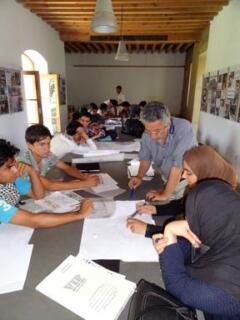
Figure 1: Kazimee during instruction to university students at the AKTC center.
Through a brief design exercise and seminar on mechanism through which the reconstruction process of the Bazaar can take reality, such as attracting funds from the business community and donors, economic feasibility and acquisition process were examined and strategies were proposed. The workshop was an attempt to increase awareness for possible conservation and rebuilding of this important architectural heritage which will certainly stimulate the area’s socioeconomic vitality and bring charm to its surrounding areas.
During his visit, the author performed research work and collected information regarding the recent activities related to the conservation of historic places in Afghanistan. The following are the description of a few historic places that have been restored.
The Aga Khan Trust for Culture in Kabul (AKTC) since 2002 has been actively engaged in a range of rehabilitation and conservation activities in several historic neighborhoods across the country in close collaboration with community leaders, municipal representatives and the Ministry of Urban Development.
Notably, under the AKTC urban regenerative initiative since 2003 significant work has been carried out to improve and rehabilitate the surviving clusters of urban fabric in the historic city of Kabul, which was damaged during the fierce door to door fighting of 1990’s. The Old City neighborhoods are provided with a range of upgrading measures such as the improvement of drinking water and construction of drains along with the paving of the alleyways in selected streets. The urban restoration project of the Asheqan-Wa-Arifan neighborhood that included the reconstruction of several historic homes and public buildings has brought new life to this district (figs. 3 & 4). In addition small scale grants and professional advice have been provided for some households which improved their dwellings and living conditions. Two community bathhouses were restored and efforts have been made to protect the public open spaces and monuments in several areas of the old city for the benefit of public use. [2]
Reclamation and development of Baghe-Ghazi (Garden) located in the heart of the Old City, was brought to completion in 2011 for the use and recreation needs of the Old City population. The Garden is built on a 3.5 – hectares of land on its original site, which included ornamental trees, and a public retreat site since 18th Century. The Garden was heavily damaged during the conflict era, when the adjoining historic fabric was extensively damaged. The work included the reconstruction of a perimeter wall, water reservoir, network of paved pathways and replanting ornamental trees and arbor throughout the site. In addition a large soccer field for youth sports, provision for tree nursery, and surface channels for the irrigation of Garden were provided. Reclamation activities were supported by the Government of the Federal Republic of Germany and the USAID funds with close oversight from Kabul Municipality. [3]
The conservation of Baghe-Babur (Garden) which was completed in 2007 on 11- hectares of garden space provides for much of the city’s recreation and cultural events. The historic sixteen-century garden which includes Zahirudin Babur’s (the first Mongol emperor) burial site, designed with glamorous Islamic architectural features of graceful water channels, planted terraces and a pavilion (fig. 5). The garden also offers various public facilities including a swimming pool, a museum caravanserai and Queen’s Palace complex that have been put to public use since then. The Baubur Garden site, since its completion operates under a management system of Baghe-Bubur Trust entity with joint oversight from Kabul Municipality, Ministry of Information and Culture and the AKTC. [2]
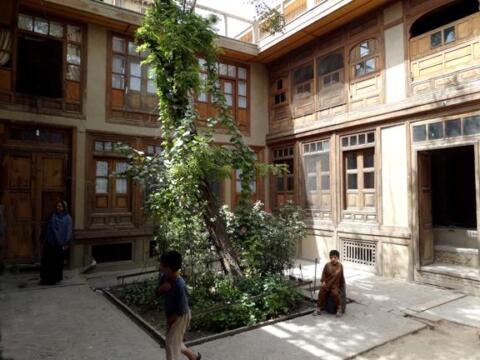
Figure 3 – A traditional courtyard house in the Ashuqhan-Wa-Arifan district is restored and brought to its original condition.
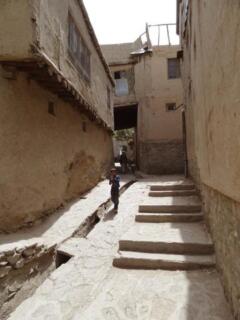
Figure 4 – Alleyways in the Ashuqhan-Wa- Arifan district are provided with stone paver and drainage channels.
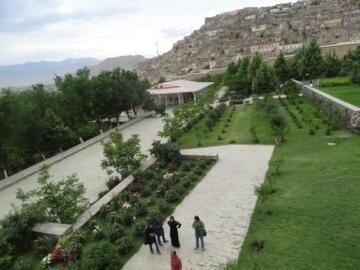
Figure 5: Viewing the upper terraces of the historic Babur Garden. The garden is open for public use since 2007.
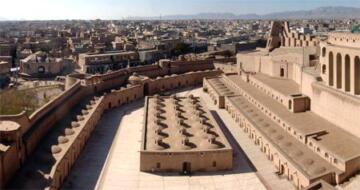
Figure 6: Restoration of Heart Citadel (Qalae-Ikhtearudin) was brought to completion in 2011. The Citadel functions presently as the Museum of Archaeological and Islamic arts
These conservation projects benefited nearly 20,000 inhabitants of the old city population, while the conservation work provided opportunity for the training and livelihood of many craftsmen and skilled laborers within these neighborhoods. Under a socio-economic initiative supported by the Old City community, home-based training programs and literacy improvement courses are also initiated for women. [2]
The city of Herat that is known historically for its strategic trade routes and rich cultural heritage in the region, ravaged by war equally, while many important Islamic monuments have been damaged or at worst totally destroyed. The surviving unique fabric of the Old City which have undergone significant transformation since 2002, largely due to the uncontrolled construction activities which often entailed the destruction of the old buildings and monuments in the key historic neighborhoods. To address the conservation needs of the historic sites and monuments effectively, with the support from AKTC an Old City Commission comprising community representative and leaders are established to oversee the urban development and upgrading process in the Old City confines and more importantly promote awareness of the need to safeguard the surviving heritage of the city within their communities. [4]
The AKTC conservation activities since 2005 included work on important historic courtyard houses and several public buildings along with provision of small-scale grants for more than seventy households to improve their houses and livelihood. In parallel support has been provided for the restoration of two important historic cisterns and several mosques. Investment has been made on the upgrading of infrastructure with the installation of 2500 meters drain and 4000 meters stone paving of the pedestrian alleyways.
The citadel of Heart; Qalae-Ikhtyaruddin, after a period of extended disrepair and neglect was successfully completed in 2011. The citadel is now used as a museum for archaeological artifacts and Islamic arts, managed directly by the Afghan authorities (fig. 6). The restoration of the site was made possible through the joint effort of AKTC and the Department of Historic Monuments supported by the US fund for cultural Preservation. Notable restoration work has been executed on the Gozargah complex dating from 1425 AD, which houses the shrine of the 12th century Sufi poet and scholar, Abdullah-Ansari. The shrine complex of Ansari remains one of the important spiritual and contemplation sites in the region to this day. [3]
AKTC’s urban conservation and development work receives support from the governments of Germany, Norway, US, UK and Uzbekistan, as well as from the Prince Claus Fund (Netherlands), the Open Society Institute and the World Bank. The implementation of these projects has been also contributed to the development of Afghan professional capacity building in planning and managing urban rehabilitation works.
The conservation of cities and capacity building process has helped the residents and the city officials to raise awareness as to the need of safeguarding the historic urban heritage. Meager investment seems to effectively heighten awareness of citizens in heritage value and the historic pride invested in their neighborhoods. The challenge is now to foster the sense of community engagement introduced through the conservation programs into sustained advocacy that will reflect the long-term goals of conservation and institutional reforms. Afghan universities need to enhance teaching in conservation planning to students of architecture and urban engineering to prepare their graduates for such important future challenges.
References
- Friedman, Arline: “An Interim Proposal for the Reconstruction and Restoration of the Char Chatta Bazaar,” The Afghan Tourist Organization, December 1971.
- Aga Khan Historic Cities Program, Urban Conservation and area development in Afghanistan, {www.akdn.org/hcp/Afghanistan.asp} June, 2007.
- AKTC Newsletter, # 31, The Aga Khan Trust for Culture, February, 2012.
- Najimi, A W. & Leslie, Julyon: (Urban Recovery: the case of historic Kabul), Heritage and Sustainability in the Islamic Built Environment, pp. 23-37, Ed. Bashir Kazimee, WIT-Press, UK, 2012.
Author’s Biography
The author has written a book, entitled, “Heritage and Sustainability in the Islamic Built Environments”. His biography and description of the book are included under title A Glance at Books and Publications in this issue of the newsletter.
Afghan Professional Community News from Abroad
The General Assembly Teleconference of the Society of Afghan Engineers (SAE) was held from 1:00 -4:55 PM, on Saturday, December 15, 2012, (USA Eastern time). The purpose of the meeting was to report the annual activities of the Society to its members and other interested professionals. Also, speakers were invited to present the educational topics and the results of their research findings. Dr. Mohammad H. Qayoumi, President of the San Jose State University was the keynote speaker during the general assembly. The following two papers were presented during the teleconference:
- Powering Afghanistan by Afghans: The Role of SAE in Building the Nation’s Human Capital By: Dr. Mohammad H. Qayoumi, President of the San Jose State University
- Warm Mix Asphalt for Afghanistan By: Dr. Shad M. Sargand, Professor of the Ohio State University
Powering Afghanistan by Afghans: The Role of SAE in Building the Nation’s Human Capital
By: Mohammad H. Qayoumi, Ph.D. President of the San Jose State University
Preface
As one reflects on the past eleven years of Afghanistan, there are many areas that the country has moved forward. Despite these improvements the current state of the nation is summarized below:
- 7.5% of GDP is in revenue collection
- 75 % of population is less than 20 years old
- Youth jobless rate is more than 40%
- 50 – 60 % of economy is based on drugs
- Only 15 % have access to electricity
- On government corruption 180th among 180 nations according to Transparency International
For Afghanistan to move forward it is important to create opportunities for Next Generation Afghanistan in regenerative (rather than consumptive, illicit sector, and illegitimate part of the economy) by aligning vocational-technical and post-primary education to future private sector requirements and opportunities. Despite a lot of rhetoric on this topic during the past decade very little has been achieved. I believe the Society of Afghan Engineers is in a unique position to make a significant and historic contribution to move the needle forward in this area.
Historic Background
In the 1960s and 1970s, Afghanistan had invested fairly substantially in higher education and vocational systems. There was an exchange of scholars with various Western and Eastern universities and a multi-level education system focused on producing agricultural and light manufacture expertise. A subsequent three decades of war destroyed the human capital base and deteriorated the productive capacity of the Afghan economy. The most educated members of society fled to neighboring Pakistan and other nations, the educational system as a whole deteriorated, and funds were channeled into conflict rather than productive investment. What was left at the end of this period was a lack of human capital, an unwillingness to invest assets in an uncertain risk environment, and an economy wracked by market failure and informality.
After 2002 there were a number of initiatives that increased the number of Afghan children in primary schools from 1 million to nearly 5 million today. However, the international planners and key policy makers were very much against investing in any schooling beyond elementary levels, since the global player were consumed and preoccupied with the United Nations’ Millennial Goals. Consequently, this resulted in an effective veto for funding and supporting Afghanistan’s secondary, tertiary and vocational training for the country. So, by the 2005-2006 year, 85% of students were at the primary school, 10% of students were at the lower secondary school, and less than 4% were at the higher secondary school.
Similarly, by 2009, only 62,000 students were enrolled in 22 universities and other post-secondary institutes. In other words, there were more than five students applying for every available space at tertiary institutions. Naturally, the available capacity is woefully insufficient for the expected 600,000 students who will graduate from high school in the next two years by 2014. Finally, the total annual operating budget for all post-secondary institutions in Afghanistan in 2010 was just $35 million. By contrast over $30 billion per year is spent on many technical assistance programs and over $104.9 billion in military expenditures by the US government.
Consequently, the current schooling system is not adequately linked to the creation of labor serving future Afghan core competencies. Availability of curriculum that teaches the skills aligned to future industrial bases is not presently sufficiently offered at the vocational-technical, secondary, or university levels. Programs and funding are currently neglecting training in these areas for objectives aligned with the desires of the aid complex rather than the needs of the country- namely primary education and literacy programs. There is substantial economic evidence that exists showing that this investment in primary education does not have the remarkable economic growth effects of investment in post-primary education. Furthermore, the aid complex is currently absorbing the most talented and educated individuals within Afghanistan into the “aid economy”, as drivers and translators rather than active and productive members of the Afghan economy.
Reinforcing this need to focus on providing economic opportunity to the young are global youth trends toward social protest related to economic opportunity (Occupy and Arab Spring) and the unique demographic issues faced by Afghanistan in the coming years. The under-29 age range is over half of the current population and faces over 40% unemployment. In order to support simply the same standard of living for this age group that their parents have, the economy must grow substantially and job opportunities will need to expand exponentially and rapidly.
Afghanistan has one of the youngest populations among other nations. However, most Afghan youth do not have the skills necessary to become part of the legitimate economy. Consequently, most of them remain un-employed, underemployed, or become prime candidates for illegitimate activities and joining the insurgency. This is one of the core issues that have impeded a broad-based economic development for the country. On the other hand lack of skilled construction workers has forced the country to import tens of thousands of individuals from Pakistan and Iran.
Forging a New Path for the Future
Giving the next generation a stake in the economic system is necessary in disrupting the supply chain of recruits for insurgent groups within Afghanistan and in maintaining general stability within the country. Afghanistan’s ability to successfully manage private sector development is essential in increasing internally generated revenue rather than relying on donor funds for sustainment costs. Building a skilled labor force will allow Afghanistan to increase its competitiveness in industrial production and will decrease reliance on imported labor necessary to run domestic industries, from neighboring countries. The key sectors for future growth- mining, energy, IT, agriculture and value-added processing, human services, and light manufacture- require early and substantial investment in human capital. Engineers, machinery operators, agronomists, extractive industry and business professionals are required for successful production in the sectors generating wealth and an interest in stability for Afghan citizens. Demand-driven human capital development for these sectors is in the interests of all stakeholders in long-term Afghan security.
There is currently a major opportunity to align education with investment in key sectors for growth. Planning concurrently for strategic economic growth and the necessary, demand-driven human capital needed for its achievement is an opportunity for the nation to meet its own needs for continued economic stability. Reaching out to marginalized populations in the South in particular will prove advantageous as a strategy for bolstering security environment outcomes through interrupting the supply of recruits to terrorist elements and build wealth in an area rife with poverty and opium production. Understanding where clusters and hubs of economic activity are, and what they require allows for macroeconomic planning on the part of the government in an international context as well. For a start such programs can begin in a number of key centers such as Mazar-Sharif, Herat, Kandahar, Helmand, Gardez, Jelalabad, etc.
The economic health and prosperity of Afghanistan will depend on developing a very accessible, high quality robust Voc/Tech education system. This will be the only way to utilize the human capital of the youth in Afghanistan and provide them with a set of skills that can make them employable and be able to be good wage earners. The most effective way that one can achieve this goal is capitalizing on recent breakthroughs in massive open courseware.
Utilizing the Massive Open Courses (MOOCs) provides the technology to bring such training to large number of youth in a very cost effective fashion in a short period. Open courses can be an effective tool to remedy the youth unemployment crisis in Afghanistan. Therefore, if we can reinvent our current approach in teaching Voc/Tech programs and adapt them to MOOC delivery system it will be a major breakthrough where the experience from Afghanistan could serve as a pilot for many other post conflict and developing nations. Making these changes will require. The crisis we now confront offers an extraordinary opportunity for us to innovate and lead the way and strengthen peace and economic viability for Afghanistan.
A Call to Action
Based on the above the following set of actions is recommended:
- First and foremost, an identification of the key industrial clusters and hubs existing within the country should be carried out. These high-growth-potential regions and sectors that will provide the basis for growth and employment require particular skill sets which should be noted for needed development.
- The quantity and quality as well as timeframe for labor force requirements are key pieces of this analysis.
- A map of existing courses, programs, and institutions that build these skills could be constructed as well as a map of any gaps in the availability of institutions to build skilled labor assets, including availability.
- Analysis of availability and potential of apprenticeship schemes, distance education using technology and stackable credentials, and linkages with regional and US centers of learning and entrepreneurship could be explored as part of this analysis.
- An analysis of approaches for recruitment to ensure excluded populations are given an opportunity to access the benefits of inclusion would be an important element.
- The analysis of these needs and gaps lays the framework for identifying pathways that create necessary human capital formation.
- Identify pathways to creating human capital by developing non-traditional short-term stackable programs.
- Use an existing TV channel or create a new one solely as additional delivery mechanism to augment some of these programs.
- Utilizing existing MOOCs as for the delivery of training to individuals with the Internet access.
Action could then be taken in creating centers of entrepreneurship to support new comparative advantages through innovation in specific “hub” cities. Identification of curriculum, knowledge delivery mechanisms, a recruitment and intake approach, and linkages to capital for this human capital development can then be achieved. Creating mechanisms that align these entrepreneurship centers to changing industrial requirements and R&D will be needed for continued growth.
A Call to SAE for Action
I believe the Society of Afghan Engineers is in a very good position to develop and implement a pilot Voc/Tech program based on the above plan. Given that the need for construction workers is prevalent in all over Afghanistan I suggest this will be the area for SAE to ask for members to volunteer developing the needed curriculum such a Voc/Tech program and then review many existing MOOCs such as the Khan Academy, Corserra, Udacity, etc. to identify the course material available. These programs could be translated to Dari and Pashtu utilizing crowd-sourcing. The implementation of the pilot could pave the way for mass-scale utilization for the concept.
Editor’s Note: For additional information about President Qayoumi’s paper and reference, the reader my find information at the following web link: https://www.sjsu.edu/
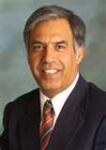
President Dr. M. H. Qayoumi’s Biography: Dr. Mohammad Humayon Qayoumi has been appointed as the 28th president at San José State University. He also serves as the professor of electrical engineering at the University. He holds a bachelor’s degree in electrical engineering from the American University of Beirut and four degrees from the University of Cincinnati: a master’s in nuclear engineering, a master’s in electrical and computer engineering, an MBA and a doctorate in electrical engineering. He has also published eight books, and more than 100 articles as well as several chapters in various books. He is a licensed professional engineer and a certified management accountant. Dr. Qayoumi served as president of California State University East Bay from 2006 to 2011. He came to Cal State East Bay from California State University Northridge, where he served as vice president for administration and finance and chief financial officer from 2000 to 2006, and was also a tenured professor of engineering management. He has over 32 years of engineering and administrative experience in several universities. Dr. Qayoumi also served as an engineer on a variety of projects in the United Arab Emirates and Saudi Arabia. He has made presentations at numerous conferences across the United States and 10 other countries. A senior member of the Institute of Electrical and Electronic Engineers (IEEE), Qayoumi has served as a Malcolm Baldrige National Quality Award examiner and senior examiner from 2000 to 2003. He also was a senior examiner for the Missouri Quality Program from 1997 to 2000.
Dr. Qayoumi has served his native country in various financial capacities. He was the senior advisor to the Minister of Finance of Afghanistan from 2000 to 2005 and remains on several boards of directors, including that of the Central Bank of Afghanistan.
A senior fellow with California Council on Science and Technology (CCST), President Qayoumi is also a member of several local boards, including the Bay Area Council, the Bay Area Council Economic Institute, the Silicon Valley Leadership Group, Joint Venture Silicon Valley, KQED, the Commonwealth Club, Blue Shield of California and California STEM Learning Network. Dr. Qayoumi has been married for 33 Years to Mrs. Najia Karim.
Warm Mix Asphalt for Afghanistan
By: Dr. Shad M. Sargand, Professor at Ohio University
Warm Mix Asphalt (WMA) is a relatively new technology that represents an improvement on the standard Hot Mix Asphalt (HMA). HMA pavement is produced and compacted in the temperature range 280°F (138°C) to 320°F (160°C), while for WMA the corresponding range is 194°F (90°C) to 275°F (135°C). The lower working temperature provides several advantages, including:
- reduced energy consumption, which reduces construction cost,
- longer working times in the field, which can improve quality,
- reduced fumes from volatile organic compounds and other pollutants,
- extended construction season, and
- longer allowable haul distances from plant to paving site.
WMA has been employed in Europe since 1995, and is now being evaluated and used in the United States in a serious manner.
In terms of material composition or mix, the WMA is basically the same as HMA, with the addition of an additive and slight modification of the process. There are multiple forms of WMA, each using different additives to reduce the working temperature. Here are the most prominent types:
- Aspha-min, which employs sodium aluminum silicate or zeolite to the HMA,
- Sasobit, which involves a foaming action from the addition of a paraffin or wax byproduct of coal gasification,
- Evotherm, which adds an emulsion to improve the coating and workability of the mix, and
- WAM-Foam®, where a soft binder and a foamed hard binder are introduced at different times in the mixing process.
The Aspha-min and WAM-Foam® processes take advantage of steam generated in the mix to create a foaming action that reduces the viscosity of the binder which makes the asphalt workable at lower temperatures. The Sasobit and Evotherm processes reduce the binder viscosity by adding long-chain wax-like additives at temperatures above their melting points. Because of their long-chain structure, these additives will not crystallize during cooling or create cracks in the asphalt.
Once the WMA mix is created by one of these processes at the asphalt plant, the mix is delivered to a construction site, where it can be applied using standard asphalt construction equipment and methods at a lower temperature. However, in the US, there is an interest in verifying these advantages while also making sure that the paved surfaces do not compromise on compactibility of mixes, asphalt stiffness, rutting potential, curing time, and surface durability.
In 2006 an evaluation study of Warm Mix Asphalt was begun by the Ohio Research Institute for Transportation and the Environment at Ohio University. The study involved two major components, a field evaluation on a resurfacing project on State Route 541 (SR541) in Guernsey County, and a second evaluation on pavements constructed in Ohio University’s Accelerated Pavement Load Facility (APLF) for testing under repeated heavy loads during controlled environmental conditions. For both studies, the evaluation compared the performance of a standard HMA control pavement to three test sections with different WMA surfaces using either Aspha-min, Sasobit, or Evotherm.
In the field study, an existing road was provided with an asphalt overlay consisting of 0.75 inches (19 mm) of HMA topped with 1.25 in (32 mm) of one of the test WMA formulations or the HMA control mix. There were four test sections of length 2.70 mi (4.34 km) to 3.07 mi (4.94 km) in length. During construction, emissions were monitored at the plant site and along construction, and a digital infrared camera was used to measure temperatures at the time of paving. Core specimens of the pavement were collected for analysis in the laboratory (tensile strength, air void content, creep compliance, etc.) at 3, 12, and 20 months after construction. In addition, visual observations were made during the first two years of use and International Roughness Index (IRI) of the surface was measured at time of placement in September 2006 and after two years of service in December 2008.
The four test sections showed no visible differences between any of the sections in an inspection conducted after 20 months of service. The laboratory tests did not show any significant differences in tensile strength. The working temperatures of the WMA at the site were 38.0°F (21.1C°) to 65.8°F (36.5C°) lower than that for the HMA. Emissions of particulate matter were reduced by 67%-77% and emissions of benzene soluble components were reduced by 72%-81%. Aspha-min and Sasobit forms of WMA also showed reductions of at least 50% in volatile organic compounds, 60% for carbon monoxide, 20% for nitrogen oxides, and 83% for sulfur dioxide. The Evotherm mix had less dramatic reductions.
The APLF study involved constructing four test sections as well, each occupying an 8 foot (2.4 m) wide lane. In the northern half of each lane was built up with a perpetual pavement structure that included 6 inches (15 cm) of dense graded aggregate base (DGAB), 4 in (10 cm) of fatigue resistance layer asphalt, 7.75 in (20 cm) of intermediate asphalt concrete (ODOT Item 448), 3 in (7.8 cm) of AC leveling layer (ODOT Item 446 Type 2), and a 1.25 in (32 mm) surface layer consisting of HMA or one of the WMA mixes. In the southern half, the pavement thicknesses were reduced by 1 in (25 mm) in the intermediate layers, and compensated by an increase in DGAB.
The pavements were subjected to 10,000 passes of a rolling wheel applied with a load of 9000 lb (40 kN) at temperatures of 40°F (4.4°C), 70°F (21.1°C), and 104°F (40°C). Surface profiles where measured with a profilometer after 0, 100, 300, 1000, 3000, and 10,000 passes of the rolling wheel load. The objective was to measure and compare the extent of rutting on each surface.
The surface measurements indicated that during the initial stages of passes of the loaded wheel in the APLF, there was greater consolidation in the WMA sections. After this initial period, lasting about 2000 passes, the additional consolidation of all surfaces was about the same. The difference in the consolidation level from the initial period represents a relatively small portion of the total consolidation experienced by all the surface mixes, and thus is not anticipated to have a significant impact on field performance.
Since this study was published in 2008, WMA has become the preferred form of asphalt on roads in Ohio. The success of WMA in Ohio and in Europe suggests that WMA can be successfully applied in Afghanistan as well. The advantages listed at the beginning of this article, in particular reduced energy consumption and longer haul distances, are of particular value in Afghanistan, where construction resources are more scarce.
References on Warm Mix Asphalt:
- Sargand, S., Nazzal, M., Al-Rawashdeh, A., and Powers, D., Field Evaluation Of Warm Mix Asphalt Technologies, ASCE Journal of Materials in Civil Engineering, November 2012, Vol. 24, No. 11, p. 1343-1349.
- Nazzal, M., S. Sargand, and A. Al-Rawashdeh, Evaluation Of Warm Mix Asphalt Mixtures Containing RAP Using Accelerated Loading Tests, ASTM Journal of Testing and Evaluation, Vol. 39, No. 3, August 2011.
- Shad Sargand, William Edwards, and Issam Khoury, “Assessment of response and performance of perpetual pavements with warm mix asphalt surfaces at the Accelerated Pavement Load Facility”, in David Jones, Ed., Advances in Pavement Design through Full-Scale Accelerated pavement Testing, Proceedings of the 4th International Conference on Accelerated Pavement Testing, September 19-21, 2012, Davis, CA, p. 175-185.
- Nazzal, M., Sargand, S., Powers, D., Morrison, E., Al-Rawashdeh, A. (2011). “Evaluation of Fine Graded Polymer Asphalt Mixture Produced Using Foamed Warm Mix Asphalt Technology”, (5th ed., vol. 36). 2nd International Warm-Mix Conference.
- Shad Sargand, William F. Edwards, and Luis Juliàn Bendaña, Testing of Perpetual Pavement with Warm Asphalt Concrete Surface Mixes in the Ohio APLF, Paper No. 82, Third International Conference on Accelerated Pavement Testing, October 1-3, 2008 Madrid, Spain.
- Shad Sargand, J. Ludwig Figueroa, William Edwards, and Abdalla S. Al-Rawashdeh, Performance Assessment of Warm Mix Asphalt (WMA) Pavements, Technical Report No. FHWA/OH-2009/08 for the Ohio Department of Transportation, State Job No. 134312, October 2009. Available online at http://www.dot.state.oh.us/Divisions/Planning/SPR/Research/reportsandplans/Reports/2009/Pavement/134312_FR.pdf
Shad Sargand’s Biography

Professor Sargand earned his PhD in civil engineering from Virginia Tech in 1981. Since then he has been on the faculty of the civil engineering department of Ohio University’s Russ College of Engineering and Technology, and named Russ Professor in 1990. He has authored over 200 journal articles, conference papers, and technical reports. Since its inception in 1995, he has been the lead researcher of the Ohio Strategic Highway Research Program National Test Road on US Route 23 in Delaware County, Ohio. He also led another test road effort on US Route 30 in Wooster, Ohio. He is the Associate Director of the Ohio Research Institute at Ohio University, which operates the National Asphalt Laboratory and Accelerated Pavement Load Facility in Lancaster, Ohio. He has received several nationally recognized awards and honors for his research, including the D.R. Harting Award of the Society of Experimental Mechanics in 1992 and 1999 and Certificates of Achievement for the SHRP Test Road from Ohio Governor George Voinovich in 1995 and the Federal Highway Administration in 1998. Most recently, he was awarded the William W. “Bill” Baker Award from Flexible Pavements of Ohio in March 2011 for his “commitment to quality and overall impact on the Ohio asphalt paving industry.”
Volunteers Are Needed to Serve in the Following SAE Committees/Subcommittees
The leaders and counselors of a few committees/subcommittees have been approved by the Board of Directors. More volunteers are needed to serve in the following Committees/Subcommittees:
- Finance Committee
- Capacity Building and Academic Development Subcommittee
- Conference and Training Subcommittee
- Student Subcommittee
- Advisory Subcommittee
- Publications Subcommittee
- Website Development and Maintenance Subcommittee
- Roadway and Bridge Design and Specifications Subcommittee
- Materials Specifications and Test Methods Subcommittee
- Environmental Engineering Subcommittee
- Afghan Professional Regulations Subcommittee
Please contact the Chairpersons of the SAE President, Ghulam Mujtaba at Email: mujtabaghulam@bellsouth.net if you are interested to serve as an SAE Committee/Subcommittee leader.
Interview with Ms. Sohaila Shekib, President, Sanie Consulting Group and a Past President of the Society of Afghan Engineers
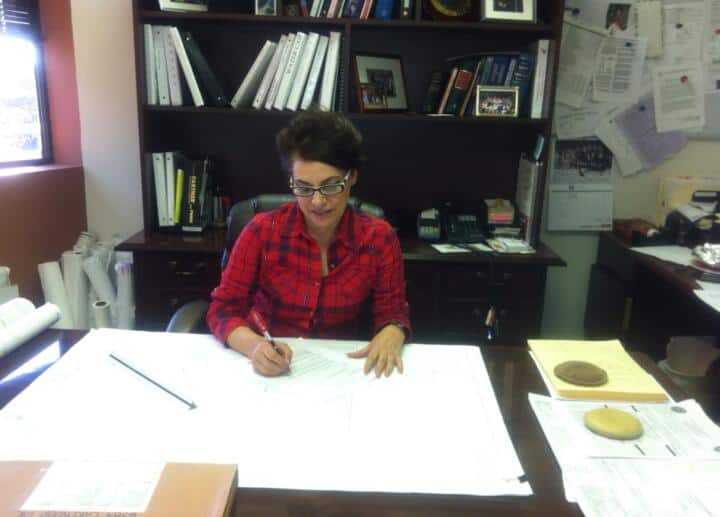
By: Ghulam Mujtaba, M.S., CE, P.E., CPM
Ms. Sohaila Shekib is an active member and a past President of the Society of Afghan Engineers. She is the President and founder of Sanie Consulting Group, LLC in 2006. Prior to starting her company, Ms. Shekib was a co-founder and principal partner of Site Design Engineering, Inc. in 1990, which was later re-named Suburban Development Engineering, Inc. when ownership changed in 1995. She has over twenty years of experience in land development in the Washington Metropolitan Area and 1-1/2 years of experience in Afghanistan. Her experience covers designs, project management, and oversight to land development projects; including commercial, residential, educational and public improvement projects. She has provided oversight and project management services for land development projects during their feasibility studies, design, and construction administration activities.
Ms. Shekib received her Bachelor of Science in civil and industrial structures from the Kabul University Polytechnic Institute in Kabul, Afghanistan in 1979, and while in the United States, she received a certificate in computer programming from Strayer College, Arlington Virginia in 1983; a certificate in suburban development from Northern Virginia Community College in 1985, and a certificate as a Designated Plan Examiner (DPE) from George Mason University in partnership with the Engineers and Surveyors Institute (ESI) in 1992.
Ms. Shekib is affiliated with the Engineers and Surveyors Institute (ESI); the Afghan-American Chamber of Commerce, and the American Society of Civil Engineers (ASCE).
The Society of Afghan Engineers delights in the development and success of its professional women members in Afghanistan and abroad. Ms. Shekib is one of those successful professionals who have established their own engineering companies in the United States. She is considered to be an exemplary successful Afghan land development engineer who has accomplished the land development activities of many projects satisfactorily through her company, Sanie Consulting Group, LLC.
The SAE eNewsletter has included interviews with a successful Afghan expatriate, business person, or academia in every issue of its publication. For this issue of the newsletter, the author requested Ms. Shekib for the interview with the editor of SAE eNewsletter and Ms. Shekib kindly accepted. Accordingly, the following are the interview questions/discussions (Q) and Ms. Shekib’s responses (R):
Q: Ms. Shekib, first of all I would like to thank you for accepting our request for this interview with the editor of the SAE eNewsletter. I will ask questions so that the readers know about you and Sanie Consulting Group, LLC. Please briefly tell us about yourself, your parents, the city that you were born, schools that you attended, and degrees that you have earned.
R: I was born in the city of Kabul in Afghanistan in 1955 to the late Mr. Mohammed Reza Sanie (Father) and the late
Mrs. Kobra Sanie (Mother). I graduated from the Kabul University Polytechnic Institute in Afghanistan and obtained a Bachelor of Science, Civil and Industrial Structure in 1979. Later on while in the USA, I attended Strayer College in Arlington Virginia in 1983 and obtained Certification in Computer Programming, a certificate in Suburban Development from Northern Virginia Community College in 1985, a certificate as a Designated Plans Examiner from George Mason University in partnership with ESI in 1992.
Q: When did you leave Afghanistan and start your work and education in the United States
R: I left Afghanistan in 1980 and went to Germany and later came to the United States in September, 1982.
Q: For how long did you work with other agencies/employers, prior to establishment of your own company?
R: I worked for 23 years with other agencies prior to establishing Sanie Consulting Group in December of 2006.
Q: What was the motivation for establishment of your own land development consulting group in lieu of working as an employee of another engineering company? Can you tell us a little about your background and history that led to establishment of your company in the United States?
R: After 23 years working as an employee of other engineering companies, this was an opportunity for “hands-on” experience for me and I gained a lot along the way as I gained the experience of corporate leadership starting as a designer, project engineer, project manager, Team leader and finally Director of Land Development Department. With all this experience in my resume, I decided to start my own company and founded Sanie Consulting Group, LLC in December of 2006. I would like to add that I had mastered enough courage to start my own engineering firm right from 1990, when I co-founded Site Design Engineering, Inc. (SDE, Inc.), however, the company changed ownership in 1995.
Q: Please tell us the process and requirements for the establishment of an engineering office in the United States, especially in the state that you have opened your office.
R: In the USA, starting a business is quite simple and involves a few steps as follows:
- Consult with an attorney and business advisor
- Create a business plan
- Proceed with the state registration process (Virginia in my case).
Q: Your Company has been designated as a Limited Liability Company (LLC). Please explain about the overview of LLC, its business structures, and the difference between LLC and corporation. Why did you setup your company as an LLC in lieu of corporation? What are the benefits and fee cost of forming an LLC in comparison with forming of a corporation?
R: The Limited Liability Company is a hybrid between a partnership and corporation. Namely, a Limited Liability Company enjoys the tax benefits of a partnership while maintaining the personal security afforded by a corporation. As any business owner is aware, reducing personal liability is a high priority. As a corporation, and in most cases, personal property cannot be taken from the owner if a lawsuit does occur and damages are awarded to the Plaintiff. The business structure of a Limited Liability company is different from a corporation in terms of general ownership. A limited liability company does not have an owner per se, rather it is comprised of members. On the other hand, a corporation has owners. In view of the benefits outlined above, and in particular tax and lack of personal liability in lawsuits, I chose to create Sanie Consulting Group as a Virginia Limited Liability Company.
Q: Please let us know about types of works that your company performs; your company organizational structures, headquarter, and number of employees.
R: Sanie Consulting Group is still in its early stages of establishment and growing steadily over the last 6 years headed by the President (myself), assisted by a consulting engineer, P.E. and 4 employees. In addition, I utilize a survey crew of two and other subcontractors for environmental and geotechnical engineering work. At Sanie consulting Group, we perform planning services involving master planning, feasibility studies and land use permits; Surveying services involving boundary, topographic and construction stakeout services; Engineering services involving subdivision plans, commercial and industrial site plans, public improvement and single lot grading plans.
Q: Does the State of Virginia require the land development companies to have professional engineer (s) as part of their administrative staff or organization?
R: Yes. The state of Virginia requires that a professional engineer (P.E.) be part of the organization.
Q: You have been designated as plans examiner of Prince William and Fairfax Counties of Virginia State. What are your responsibilities as plans examiners of these counties?
R: As a Member of the Engineers Surveyors Institute (ESI), and being a DPE in these Counties, I am called upon to review plans by others and ensure plans are prepared in accordance to the requirements of the jurisdictions and provide DPE approval which expedites the review process for permit approvals. To keep my DPE status, I am required to take continuous education classes yearly to update new developments/standards/requirements in the industry.
Q: Does your company perform construction inspection and testing services of the projects
R: Currently we perform construction administration but we hope to venture into construction inspection and testing services in the near future.
Q: Please provide us a few examples of the projects that your company has performed, especially, the projects that you have been involved as their project manager.
R: At SCG, I have successfully completed numerous projects of varying sizes. The following are select projects I completed:
- Yusufi SitePlan
- Hashimi Site Plan
- Ariana and Hammond Conference Center
- Ariana Office Condominiums
- Awana Hotel
- Royal Center
Q: It is very impressive to know about the projects that your company has successfully completed. What has been the key to the success of your company?
R: Foremost and a major priority and element for success has been client satisfaction as a result of timely and within budget deliverables, quality work and experience in expediting projects through the review process to approval. Continuous improvement of work is facilitated by positive feedback from clients and reviewing jurisdictions.
Q: Your Company has been involved in the land development of public improvement projects. Do you think that these types of land development process by private companies in lieu of governmental agencies may be useful and applicable in Afghanistan?
R: Yes I do. These types of land development processes by private companies can be successfully applied in Afghanistan only and only when an appropriate review process is established and enforced in Afghanistan with proper design code and standards, regulations and requirement.
Q: How have you contributed to professional assistance of the Afghan communities in Afghanistan and in the United States?
R: I am a Member of the Afghan Academy and Mustafa Center and have worked with the Afghan Communities and provided assistance to various Afghan community societies by actively participating and volunteering my time in providing professional services in the following way:
- Kandahar Valley: where I provided urban planning concept for the project and designed a section of the housing development. The construction of the project has been completed for that section.
- I provided the town planning concept of the Majahead Meena which was presented by the SAE Members to the Afghan government in 1995.
- Mustafa Center Mosque in Northern Virginia: I was design project manager, as well as site construction manager for the project from start to completion.
- In 2002, I volunteered my time in Afghanistan in the Ministry of Public Works and Housing Development and provided training to young Afghan engineers where I introduced them to privatization, land development code standards and zoning regulations used in the USA.
Q: What type of advice do you have for young Afghans who plan to pursue their graduate studies in the field of civil engineering with specialization in the land development in the United States, especially for those who want to establish their own companies?
R: My advice is simple: young and upcoming Afghan engineers will need to work hard continuously with dedication and sacrifice, staying focused on their goals. They will need to be exposed to technologies and methodologies that are unavailable in Afghanistan in their respective fields.
Q: How could Afghan professionals like yourself or your company be of service to the professionals of their native country from the United States?
R: There are many ways where I or the Company can be of service to professionals in Afghanistan through teaming efforts for various development projects in Afghanistan by assisting Afghan engineers coming to the USA for training and introducing them to technology and methodologies used in the United States.
Q: What types of advice would you offer for Afghan architects and engineers who are working in the United States or other countries outside Afghanistan and simultaneously want to serve their motherland?
R: I would advise them to form societies like our Society of Afghan Engineers and be in continuous communications with the professionals in Afghanistan to share experiences and update each other on new developments.
Q: Please advise if you have any further comments or suggestions that you may have for the development of the SAE eNewsletter.
R: The SAE eNewsletter should seek a wider circulation to other similar societies of Afghans living in other countries and share experiences and knowledge. This will be a great opportunity to learn from one another and remain united as Afghans.
Q: Thank you for taking the time to share with us information about your company. I would like to congratulate you and your company in performing the land development activities in the United States. The readers of the SAE eNewsletter will certainly benefit from your project case histories and lessons learned. Finally, what advice would you offer to the Society of Afghan Engineers regarding their future activities and services related to the rebuilding of Afghan infrastructures?
R: We will need to get more connected to our fellow colleagues in Afghanistan and develop more team efforts for the restructuring projects in Afghanistan. We will get more satisfaction having contributed to the rebuilding of our motherland.
“We will need to get more connected to our fellow colleagues in Afghanistan and develop more team efforts for the restructuring projects in Afghanistan. We will get more satisfaction having contributed to the rebuilding of our motherland.”
A Glance at Books and Publications
At this Section of the newsletter the reviews of the architectural, engineering, and management books and publications will be included. The reviews will include information about the publications that are Afghanistan related or other publications that reviewers may find useful for the architects and engineers in Afghanistan. The reviewers can write a summary of the books and publication that they have read and share their reviews with the readers of the SAE eNewsletter.
In this issue we will include a review of a published book, entitled, Heritage and Sustainability in the Islamic Built Environments by Professor Bashir A Kazimee, AIA; former professor of the Faculty of Engineering of Kabul University. The Editor requested the author to provide a brief summary of his book. Professor Kazimee graciously accepted his request and provided the following summary about his book:
Heritage and Sustainability in the Islamic Built Environments
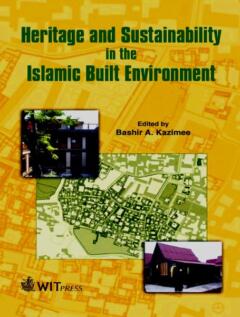
The historic cities in the Islamic regions are under threat from globalization, modernization, and neglect that require critical outlook for their survival. With so many years of neglect, there has been no investment in the necessary infrastructure of these cities. At the same time, the population of the cities has increased dramatically with the addition of the poorest migrants moving to these areas that have worsen the physical conditions of historic cities to its critical point.
Preserving the living tradition in the built environment is critical, in helping to give people their unique regional identity and provide expression of their cultural values. Historically, traditional settlements in the Islamic built environments were unified and closely knit urban fabric. People enjoyed a sense of security, shared identity, and common bond with their kin living closely together. These settlements were developed according to specific cultural requirements that shaped the housing pattern of community and city.
At the same time, these cities continue to provide affordable accommodation for much of the population and provide means of livelihood for the people. Investing and upgrading the infrastructure and providing minimum provision of services are easy for the authorities to provide with much lower costs for the whole development compared to expensive investment options in newer subdivisions. The housing prototype that characterizes many of the historic cities is the introverted courtyard houses, which closely fit the cultural aspiration of the population and is easily adaptive to changing needs and desires of the families. Preserving the heritage and historic qualities of these areas to its original splendor will certainly provide great opportunity and stimulus for the economy and foster a familial sense of place where people take ownership of their built environment and live with dignity. In addition the traditional cities are invaluable repositories of heritage, not only because of their historical worth but because they offer us important design lessons and tangible promise for a holistic approach to the crises of built environment.
The book “Heritage and Sustainability in the Islamic Built Environment,” published by Essex Institute of Technology Press, based in the United Kingdom, represents an up-to-date research and investigation into the various aspects of heritage and sustainability in the Islamic built environments. They include an analysis of the problems that cities in the Islamic world face as they confront the forces of globalization and new development. The book embraces a wide array of principles, strategies and precedents that are instrumental to the design of cities and communities in Islamic regions in order to sustain their cultural and environmental vitality. The book’s contributors also provide the background on Islamic societies that is necessary in order to comprehend their rich architectural heritage and urban form.
This book is an important addition to the research on the built environments and will be of interest not only to design professionals and students of architecture, but also, given its urbane and jargon-free use of language, could appeal across several disciplines such as urban geography, social sciences, literary studies and more.
Author’s Biography
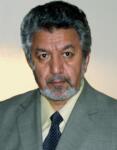
Bashir A. Kazimee is an award-winning Professor of Architecture at Washington State University. He is a member of the American Institute of Architects (AIA) and holds Master of Architecture in Advanced Studies from MIT and Bachelor of Architecture from Kabul University. He has widely published in the areas of traditional settlements and sustainable community development and contributed more than sixty national and international publications on these subjects. His latest book “Heritage and Sustainability in the Islamic Built Environment,” is released by the WIT-Press in the UK, May 2012. He is also the author of the book “Place, Meaning and Form in the Architecture and Urban Structure of Eastern Islamic Cities” (with Rahmani) published by the Edwin Mellen Press in NY, 2003.
Kazimee gained an international reputation in the field of sustainability with his collaborative proposed plan for the city of Pullman, which was awarded one of the three UN/IAA Gold Medals given internationally at the UN City Summit, the Habitat II conference in Istanbul, Turkey 1996. The proposal aims for a number of strategies for the community to become sustainable, from the regional level, to city, to district and to individual dwelling designs.
He has been named as a member of the editorial board for the International Journal of Ecodynamics, on sustainable development. The journal is published quarterly by the Wessex Institute of Technology in the UK. Kazimee has been serving on the international editorial board for a series of international conferences on sustainable cities for the last ten years held in Spain, Italy, Portugal, Greece, Estonia, England and Dubai. These conferences are sponsored by Wessex Institute of Technology and the Center for the Study of Architecture in the Arab Region (CSAAR).
Kazimee, is a licensed architect in the USA and an active member of the American Institute of Architects and the Society of Afghan Engineers. He has practiced and taught architecture in several countries including Afghanistan, Pakistan, Saudi Arabia and the USA. He is currently contributing as a consultant senior architect on several ongoing reconstruction architectural and urban design projects for his native home country Afghanistan.
Note: The book is available on several web-sites including amazon.com and also can be ordered directly from the publisher as following:
WIT Press Attn: Simon Ibbotson
Ashurst Lodge, Ashurst, Southampton, SO40 7AA, UK
Email: sibbotson@witpress.com
For USA, Canada and Mexico:
WIT Press Attn: Dee Halzack
25 Bridge Street, Billerica, MA 01821, USA
Email: dhalzack@witpress.com
Membership News
In this section the news about the seminars participation of members, new membership, awards, promotions, retirement and loss of the Society members will be provided.
Membership Renewal 2013
The attached form includes application for the new members and membership renewal. The application forms may be viewed at SAE website. The members are requested to take a few minutes of their time to inform the Society by sending their updated contact information.
The completed application/renewal forms may be mailed to Mr. Jawad Ibrahim at P.O. Box 11520, Burke, Virginia 22009-1520
Achievements and Awards
The newsletter will inform their readers of winners of awards or any other successes of Afghan professionals and students, especially, their Society members. You can help the SAE eNewsletter editors by providing the news of the achievements, award winners, promotions, and any other success stories.
“Advise us of success stories or achievements of the Society members and any Afghan professionals and students.”
Engineer Abdul Wadood Kawsary’s Obituary 1942 – 2012

By: Dr. Abdul Wahed Hassani Engineer Abdul Ghafar Mukhbet, and Engineer Saeed Azizullah
Marhoom Haji Abdul Wadood Kawsary was born in a sofi family in 1942 (1327H) in the Ali Khail village of Mahmood Raqi, Kapisa Province, Afghanistan.
He was raised in an educated and, pious family. He completed his primary education in Mahmood Raqi School and secondary education in Ibni Sina School in Kabul. Mr. Kawsary obtained his Baccalaureate Degree in 1965 from Afghan Institute of Technology (AIT), Kabul, Afghanistan.
Due to his outstanding performance at AIT, Mr. Kawsary was selected to teach at AIT in 1966. In 1971 after teaching for five years, he was awarded a scholarship for higher education in the USA. He completed his B.S. degree in electrical engineering in 1974 at Dunwoody College of Technology in Minneapolis, Minnesota, and, attended further trainings at Georgetown University in Washington DC and, State Stout University in Wisconsin, in the United States of America.
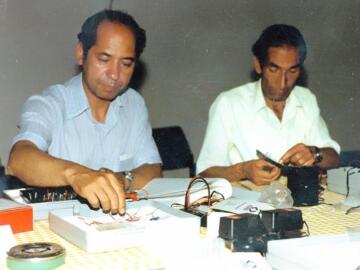
Upon completion of his studies in US, Engineer Kawsary returned to Afghanistan and continued teaching at AIT. He taught for 27 years with honesty, dignity and pride. In addition to teaching Mr. Kawsary served his country in various positions which are summarized below:
- 2008 – October 2012: Site Engineer and Administrator in the Ministry of Energy and Water
- 1994 – 2004: Finance officer and administrator for AHDS (Afghan Health and Development Services)
- 1993 – 1994: Teacher of Electrical Technology (House wiring, Basic Trade Skill, at the Academy for Educational Development (AED) in, Peshawar, Pakistan.
- 1986-1991: Electrical Supervisor at the American Embassy in Kabul, Afghanistan.
- 1966 – 1993: Teacher of Electrical Technology at AIT in Kabul, Afghanistan.
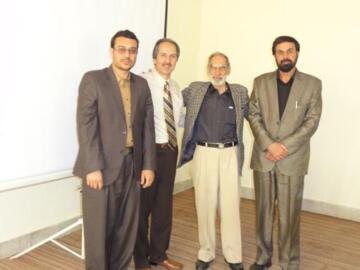
Mr. Kawsary always tried to serve his country with honesty and professional integrity whether working as government employee or serving Afghan Refugees during the time of immigration outside Afghanistan.
Marhoom Kawsari was ill for a while before taken to Peshawar, Pakistan for medical treatment. Unfortunately, on October 6, 2012 (15 Mizan, 1391) he passed away at the age of 70 in the Peshawar hospital (Inna Lillahy Wa Inna Elyhy Rajeoon). May Allah bless his soul and place him in Janat-e- Ferdous and give his family and friends Sabr-e-Jameel and Ajr-e- Azeem.
Conference
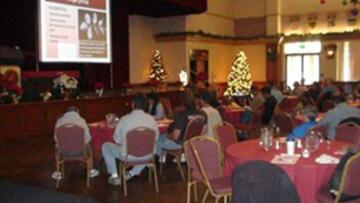
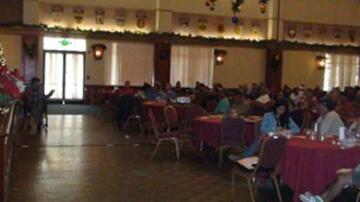
Dr. Nadir Sidiqi, an SAE member and President, Organic EcoCare Inc., spoke at the Pesticide Applicators Professional Association (PAPA). PAPA is a California non-profit, public benefit corporation. The conference was held at Orange County, California on December 6, 2012. The main objectives of this conference was to implement safe and effective pest control techniques, maximizing food production, and minimizing risks of pesticides to public health and environment. Dr. Sidiqi’s presentation title was “What are the causes of plant diseases (Fungi)”. There are desperate needs to share this vital issue with interested professionals in Afghanistan and abroad. The Editor of the SAE e-Newsletter has requested Dr. Sidiqi to write an article about this subject for the April issue of the SAE e-Newsletter.
The Society of Afghan Engineers Organization
SAE E-Executive Committee Members:
President: Ghulam Mujtaba
Vice President: Atiq Panjshiri
Treasurer: Jawad Ibrahim
Secretary: Luis Durani
SAE Board of Directors:
Chairman: M. Qasem Kadir
Members: Yar M. Ebadi, Abdul Hamid (Farid) Kazi, Mohammad Saleh Keshawarz, Abdul Manan Khalid, Amanullah Mommandi, Mohammad Najib Poya, Abdul Saboor Rahim, and Mohammed Hashim Rayek
SAE Past Presidents: Malik Mortaza, Sohaila Sanie Shekib, Mohammed Hashim Rayek, Mohammed Wali Shairzay, Abdul Hadi Rakin, M. Qasem Kadir, and Abdul Hadi Rakin
Chairpersons SAE Committees/Subcommittees: Sohaila S. Shekib, M. Saber Sarwary, Samay Stanackzai, Ghulam Mujtaba, Nazeer Babakarkhial, Hasan Nouri, Najim Azadzoi, Atiq Panjshiri, Abdul Karim Yusufzai
SAE Manager Membership Committee: Naim Shahab Email: naim.shahab@gmail.com
SAE eNewsletter Editorial Board:
Editor-In-Chief:
Ghulam Mujtaba, M.S, CE, P.E., CPM E-Mail: mujtabaghulam@bellsouth.net
Editorial Board Members:
A. Wahed Hassani, Ph.D.,P.E. Email: awhassani@gmail.com
A. Manan Khalid, M.S., P.E., LEED AP E-Mail: manank10@gmail.com
Mohammad Mirwais Email: mirwaisarchitect@gmail.com
Daod Mohammad Email: dmohammad@suncor.com
Subscribe/Unsubscribe: The subscription to the SAE eNewsletter is free. If you are not receiving the SAE eNewsletter directly and would like to subscribe, please send a note to: mujtabaghulam@bellsouth.net with the subject “Subscribe: SAE eNewsletter”. To unsubscribe, send a note with the subject “Unsubscribe: SAE eNewsletter”.
Disclaimer: The author, reporter, or agency of each publication, project, news, and products is included in this newsletter. Additional contact information of the authors and their agencies are available with the Editorial Board of the newsletter and may be provided upon request. The Editorial Board of the Society of Afghan Engineers, Executive Committee, Board of Directors, or any of its members is not liable for the accuracy or contents of the information. The reports and information are included as provided by the authors and agencies without any changes in the substance of the documents. The information about the agency products or services is not the SAE endorsement.
The Society of Afghan Engineers
https://www.afghanengineers.org/donate/
P. O. Box 11520 BURKE, Virginia 22009-1520 Telephone: 909-868-4212 Email: info@afghanengineers.org