SAE Newsletter – 2013-04 – Volume 3, Issue 2
Delves into the modernization of agricultural infrastructure via new slaughterhouses and presents a comprehensive botanical analysis of plant diseases caused by fungi.
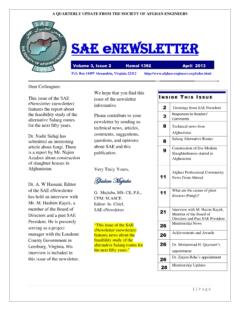
April 2013, Volume 3, Issue 2, Jadi 1392
P.O. Box 11097 Alexandria, Virginia 22312
Dear Colleagues:
This issue of the SAE eNewsletter (newsletter) features the report about the feasibility study of the alternative Salang routes for the next fifty years.
Dr. Nadir Sidiqi has submitted an interesting article about fungi. There is a report by Mr. Najim Azadzoi about construction of slaughter houses in Afghanistan.
Dr. A. W Hassani, Editor of the SAE eNewsletter has held an interview with Mr. M. Hashim Rayek, a member of the Board of Directors and a past SAE President. He is presently serving as a project manager with the Loudoun County Government in Leesburg, Virginia. His interview is included in this issue of the newsletter.
We hope that you find this issue of the newsletter informative. Please contribute to your newsletter by sending us technical news, articles, comments, suggestions, questions, and opinions about SAE and this publication.
Very Truly Yours,
Ghulam Mujtaba G. Mujtaba, MS- CE, P.E.,
CPM; M.ASCE
Editor- In- Chief,
SAE eNewsletter
“This issue of the SAE eNewsletter (newsletter) features news about the feasibility study of the alternative Salang routes for the next fifty years.”
Inside This Issue
- 2 Greetings from SAE President
- 3 Responses to Readers’ Comments
- 8 Technical news from Afghanistan
- 8 Salang Alternative Routes
- 9 Construction of five Modern Slaughterhouses started in Afghanistan
- 11 Afghan Professional Community News From Abroad
- 11 What are the causes of plant diseases (Fungi)?
- 21 Interview with M. Hasim Rayek, Member of the Board of Directors and Past SAE President
- 26 Membership News
- 26 Achievements and Awards
- 26 Dr. Mohammad H. Qayoumi’s appointment
- 26 Dr. Zarjon Baha’s appointment
- 28 Membership Updates
Greetings From The SAE President
Dear Members of the Society of Afghan Engineers:
This issue of the newsletter is disseminated during the month of Hamal, which is the first month of the Hijri Shamsi Year 1392. I would like to take this opportunity to wish members of the Society of Afghan Engineers and other colleagues a happy, healthy, and prosperous New Year. I hope that this year will be the year of peace and prosperity for the people of Afghanistan and the world.
In every issue of the newsletter we have tried to inform our colleagues regarding the current SAE activities, its future plans, and how each one of us can play a key role in our future successes.
One of the main goals of the society is to form committees/subcommittees so that they independently perform their work activities in the areas of their responsibilities. The officers and counselors of a few committees have been appointed and some of them have started their work. The remaining committees need volunteers to serve as their officers. We are hoping that the Society members participate, at least, in one of the main committees or subcommittees of their choices.
The Membership Committee has already started their work. They want to prepare the Directory of the SAE members. Mr. Sarwary, the Chairman and Mr. Naim Shahab, the Manager, of the Committee have sent the requested form to members. They have requested members to respond to the Membership Committee’s request by completing the form and return it to them by April 15, 2013.
The other SAE goal is the establishments of the Local chapters in each area so that their members regularly meet and perform SAE related activities. The President has nominated the Coordinators of the Local Chapters and submitted the list of nominees to Board of Directors for review.
The SAE members are currently reviewing the feasibility study report of the Salang alternative routes for the next fifty years. The Ministry of Public Works has sent the report of the study to the SAE members for review comments and suggestions regarding the selection of one of the six alternative routes.
Hopefully, the SAE team members; including, the current Board of Directors; Executive Committee and other Committee members; and Local Chapters perform their responsibilities in such a manner that meet the expectations of our society members.
Very Truly Yours,
Ghulam Mujtaba G. Mujtaba, MS- CE, P.E., CPM
President, the Society of Afghan Engineers
Responses to Readers’ Comments
Comments from Professor Bashir A. Kazimee, AIA
Professor Kazimee sent the following email to Editor-In-Chief of SAE eNewsletter on January 15, 2013:
Dear Ustad Mujtaba Sahib:
Hoping all is well. I had the opportunity to read the articles and information in the January 2013 SAE e-newsletter and found them to be very illuminating and well presented. Thank you for including my work in this issue and I also want to extend my appreciation for your very hard work and service to the Society of Afghan Engineers.
Much regards and I wish you the best.
Bashir A. Kazimee, AIA
Professor
School of Architecture & Construction Management
Washington State University
Pullman, WA 99164 – 2220
Phone: 509.335.1994
Fax: 509.335.6132
Email: bkazimee@arch.wsu.edu
Response to Professor Kazimee’s Comments
The following responses have been sent by email to Professor Kazimee on January 16, 2013.
Dear Professor Kazimee:
We are doing fine. Thanks for your comment related to the last issue of SAE eNewsletter. Similarly, I have received verbal and written comments from other readers of newsletter who have commended the activities SAE team members for the preparation of the quality newsletter. I have copied the newsletter Editorial Board members in this email to read this type of comment from an eminent scholar.
We appreciated your contribution to the activities of the newsletter. Your article about conservation activities of the historic urban architecture in Afghanistan was one of the dominant features of the newsletter. It was enlightening and provided news from Afghanistan.
Please continue your contributions to your newsletter activities by sending your articles, opinions, suggestions, and comments for further development of the quality of the newsletter.
Best regards,
Ghulam Mujtaba
Comments from Professor Dr. Y. M. Ebadi
Professor Ebadi has sent the following email to Editorial Board of the SAE eNewsletter:
Dear Colleagues Salaam,
At our Board meeting of January 9, I praised the quality of the last issue of the SAE eNewsletter. I agree with Ustad Mujtaba that the credit goes to all of you. I know well, that producing a high quality product such as this requires careful technical and editorial reviews and hard work. Thank you for the job well done.
Best regards,
Yar M. Ebadi
Professor and Robin Hagans Maupin Chair in Business
College of Business Administration
Kansas State University
113 Calvin Hall
Manhattan, KS 66506
Phone: 785-341-9050
Email: yebadi@ksu.edu
Response to Professor Ebadi’s Comments
The Editor-In-Chief of the newsletter has sent the following email response to Dr. Ebadi’s comment on January 10, 2013.
Doctor Sahib Salam:
Thanks for your comments about the last issue of SAE eNewsletter. This is the result of team work. I have copied Hassani Sahib and Khallid Sahib to know about your valuable comments. The credit should go to them for the technical and editorial reviews of the newsletter articles.
Best regards,
Ghulam Mujtaba
Comments from Mr. Malik Mortaza; one of the founders and the first president of the Society of Afghan Engineers
A- Capacity Building Activities in Afghanistan
The following are email correspondence with Mr. Mortaza related to Capacity building activities in Afghanistan:
Dear Mr. Mujtaba Salaam,
Congratulation to the officers of the Society of Afghan Engineers for the successful 2012 General Assembly meeting of the Society of Afghan Engineers. Thank you for recognizing me in your speech.
I agree with Dr. Qayoumi that SAE is in a good position to help Afghanistan by providing training most in construction. There are ways to provide training or train the trainers. I was pushing for this since 1993. The training provided recently for the Ministry of Water and Energy, and the Ministry of Agriculture by the SAE members is what SAE can do the same in other fields. In 2002-2004 I was in a position where I was able to help bringing SAE members to provide training. Most of the members came to Afghanistan for a month, which a few came back and stayed longer by working with private sectors, international organizations, and/or with the Afghan government.
I would like to report the training that was provided by the members of SAE and SAAE for the Kabul University and Polytechnic University teachers (Architects) recently. I was contacted last July by a group of Kabul University and Polytechnic University teachers to provide training in International Building Code for them, which they will next train their students. The training was scheduled for 11 weeks. Twenty people signed in and 12 attended all classes. The training was provided by two of our expert employees; both of them have AIA license; Mr. Jamil Khalid SAAE president; Mr. Sharif Dehyar Director of code and standards of the housing & urban development; Mr. Zia Raffiq AIA and member of SAAE; Mr. Daud Mohmand our employee and member of SAAE; and myself. For the opening ceremony we invited Dr. Zabi Mojaddidy, Director of capacity building of the Ministry of Public Works, Deputy Minister of Housing and Urban Development, Kabul city mayor, Afghan media, and a few other SAAE members.
The training was completed in November. We are planning to issue the certificates this Thursday. I will send you more information and some pictures of the opening ceremony and the certificate issuing ceremony. If you think it worth publishing in the future SAE quarterly newsletter, let me know please. We can send you the full report for your review.
Best Regards,
Malik Mortaza
VP of Afghanistan Operations
Technologists Inc.
93 (0) 799 300 874
Responses to Mr. Malik Mortaza’s Comments
Dear Mr. Mortaza:
Thanks for your comments regarding the success of the SAE general assembly. It was an enjoyable meeting and a record turnout of an SAE teleconference attendees. We heard the voices of our scholars and presenters. The attendees presented the results of their research work and annual reports of activities.
The efforts of the SAE members who made arrangements for the assembly and those who participated at the meeting are appreciated. The success of the general assembly was the results of the efforts of the team members who performed the task. I have copied all team members who were involved in these team efforts. They will be pleased to read your comments and suggestions.
You have indicated that I have recognized your past SAE related efforts. You and other SAE past presidents have paved the roadway for us. It is a fact that you have had great role in the establishment and the development process of the Society.
I am very pleased to know about the recent capacity building activities in Afghanistan. It will be an interesting report for the readers of the SAE eNewsletter. The next quarterly issue of the newsletter will be published in April 2013. Please send us the report of the training activities and it will be included in the next issue of the newsletter.
Best regards,
Ghulam Mujtaba
Note: The detailed training report will be published in the July issue of the newsletter.
Comments from Mr. Malik Mortaza
B- Afghan Construction Codes and Standards
The following are email correspondence with Mr. Mortaza related to Construction codes and standards in Afghanistan:
Dear Mr. Mujtaba:
Wish you and the team more success. We will send you the report by the end of this month. We are also trying to be involved or have an advisory role along with SAAE leadership to assist the Afghan government in the process of establishing construction codes and standards. The Afghan government has contracted a Turkish company to establish the codes. I will let you know on the progress.
Best Regards,
Malik Mortaza
Responses to Mr. Malik Mortaza’s Comments
Dear Mr. Mortaza:
The receipt of capacity building report by the end of the month will be great.
It is good news that the preparation of the Afghan Construction Standard and Code will be prepared. I assume that they might be building construction related documents. Please send us any information that you may have about this contract for the upcoming publication of the SAE eNewsletter. The Afghans living abroad are interested to read this news.
During the preparation and development of any standard codes, plans, and specifications it is essential that the local and other interested experts in the field review the proposed documents and express their review comments. I recommend that Afghan Government form the following essential Committees:
- Code Committee
- Specification Committee
- Structural Standard Plans Committee
- Materials Standard Specification and Test Methods Committee
- Any other needed committees
The members of the Committees may be composed of the Afghan agencies that are involved in using the documents, Universities, SAAE, SAE, Contractors, and other interested associations or agencies. Any proposed documents have to be reviewed by the related committees. The Turkish Company should consider the review of the committees and incorporate them if possible. Otherwise, has to respond to the review comments and provide rational and responses to the comments. The SAE will be pleased to participate in this process by introducing their experts in each field to be members of these committees.
It is necessary that the aforementioned committees remain as permanent committees. During or after implementation of the codes and specifications there will be need for necessary modification of the documents. The committee will have great role in the current development and future modification of the documents.
Please advise us of the progress of this process and let us know that how SAE members could be of service.
Best regards,
Ghulam Mujtaba
Note: The detailed report about Construction specification and codes will be published in the July issue of the newsletter.
Technical News From Afghanistan
In this issue of the newsletter the report about the feasibility study of the Salang routes and construction of the slaughterhouses in Afghanistan are included.
Salang Alternative Routes
A special Board of Directors meeting of the Society of Afghan Engineers (SAE) was held on March 2, 2013. Mr. Aoudjan, Minister of the Public Works (MoPW) of the Islamic Republic of Afghanistan participated during the teleconference while he was visiting California. During the meeting he mentioned that a study of alternative routes of Salang pass has been performed by USAID retained consultants. The study includes the rehabilitation of the existing Salang tunnel and plan for future routes to connect the northern and southern regions of Afghanistan.
Mr. Aoudjan mentioned that USAID representatives presented the results of their study and he will send the power point presentations to the Executive Committee and Board of Directors of Society of Afghan Engineers (SAE) for their review comments and suggestions. The power point presentations are related to the repair and rehabilitation of the existing Salang tunnel and plan for future routes to connect the northern and southern regions of Afghanistan.
The USAID advisers and engineers have presented the results of their study to the Ministry of Public Works. The study includes six alternative routes. A review of the power point presentations indicate that the USAID engineers have recommended Option No.2, which consists of the construction of new tunnel next to the existing tunnel; the repair and rehabilitation of the existing tunnel; and improvement of the existing roadways. The new tunnel will be used for the north bound traffic and the existing tunnel will be used for southbound traffic.
Mr. N. Aoudjan, Minister of Public Works has asked SAE’s input regarding the selection of one of the proposed alternatives. The MoPW sent the power point presentations to SAE on March 6, 2013. The SAE President disseminated the Dari and English versions of the MoPW/USAID power point presentations to all members and other experts for their suggestions and feedback, especially, to those who have extensive experience in this field. In the email, SAE President asked for review comments and suggestions to be sent by Tuesday, March 26, 2013.
Accordingly, the president has compiled the reports of all comments that he has received as of March 26, 2013. In their responses, the reviewers have included the rational for recommending the selection of one of their priority options. The President prepared a preliminary report and distributed them, on March 27, 2013, to Board of Directors, Executive Committee, and all the reviewers. The preliminary report is based on the power point presentations. Subsequent to the receipt of power point presentations, the detailed report has been sent by MoPW and distributed by Mr. Mommandi, a Member of the Board of Directors, to the SAE reviewers on March 27, 2013 for their further study of the report and follow-up recommendations. In case of a change in the recommendations of the reviewers, based on the final report, a final compilation of comments will be issued.
Upon Board of Directors review, the report will be submitted to HE Mr. Aoudjan in response to his request. In this report the reviewers’ names, email addresses, and their correspondence will be included for future contact information. The SAE President has reported that he has received comments from 17 reviewers. The detailed information about the Salang routes and SAE compilation report, suggestion and recommendation will be included in the July issue of the SAE eNewsletter.
Thanks to the following respected professionals who have contributed in the Study of the documents and have provided invaluable review comments and suggestions:
Ghulam Mujtaba; Ghulam Qadir
Belqis Majboor; Lal Samadi
Hashim Rayek
Dr. S. Wahid Zewari
Dr. A. Saboor Rahim
Dr. Zarjon Baha
Said Hedayat Hashimyan
M. Najib Poya
Ahmad Wali Shairzay
Dr. A. W. Hasssani
Amin Mahmood
Dr. Yar M. Ebadi
A. Manan Khalid
Dr. Shad Sargand
Abdul H. Rakin.
Construction Of Five Modern Slaughterhouses Started In Afghanistan
By: P. Najim Azadzoi, AIA
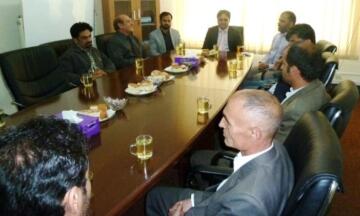
Introduction: Under a grant of $31 million from the Asian Development Bank (ADB) for the Agriculture Market Infrastructure Project (AMIP), the Ministry of Agriculture, Irrigation, and Livestock initiated the project in April 2009. The purpose of the project is to establish market infrastructure for livestock and horticulture enterprises, and provide support for developing and improving product quality standards. Under this grant, five modern livestock slaughterhouses with their supporting facilities (2 in Kabul; 1 each in the provincial cities of Herat, Kunduz, and Mazar-e-Sharif) will be constructed. The slaughterhouses in Kabul are located in Shakardara and in Rishkhur areas. Also, approximately 200 small-scale agriculture facilities and farm collection centers; including post harvest storages, packing centers, cold storages, and grading facilities will be designed and constructed. The construction of the 5 slaughterhouses has begun and it is scheduled to be completed at the end of year 2013. The construction of the Farm Collection Centers is scheduled to be completed by mid-2014.
Azad Architects of Newton, Massachusetts, has the overall responsibility of design and overseeing the construction phase of the projects. In addition, Mr. Azadzoi, the principal at Azad Architects, will be training Afghan engineers and architects to take over the responsibilities of supervising the construction phase for all 5 sites.
The project is expected to work with existing farmers’ cooperatives and groups to stimulate agribusinesses. The goal is to assist commercializing a largely traditional sector which has been held back due to lack of investments and standard regulatory framework.
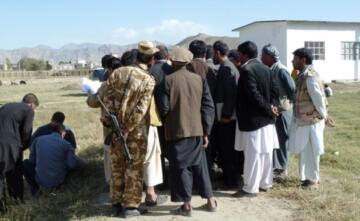
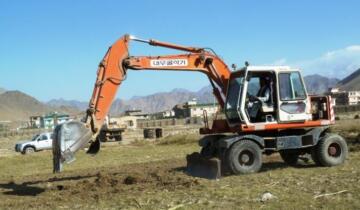
Local Officials and the contractor meeting at the site, June, 2012. Excavation work at Rishkhur, Kabul, June, 2012.
The project has the following components and subcomponents.
Slaughterhouses
Afghanistan currently does not have a modern slaughterhouse. Animals are slaughtered in places that are frequently polluted with blood, intestinal contents and dirty effluents. The meat is not protected against insects, rodents and other animals. The produced meat under such conditions will quickly deteriorate due to the bacterial load and could cause food poisoning.
The proposed slaughterhouses in five locations in Afghanistan are a modular prototype design that each will process up to 600 animals (500 small animals like sheep and goats and 100 cattle) daily. Each slaughterhouse has a paddock to hold up to 1,500 animals for 24 hours before their processing. Each paddock has running water for drinking and for washing of the floors. The slaughterhouse building is equipped with a laboratory and clinic to inspect each animal for disease and safety before processing. Sick animals will not be processed. The central slaughter floor is technically equipped with modern machineries for slaughtering cattle, sheep, and goats; and occupies a surface area of 200 square meters. The area next to the main slaughter floor is allocated for the operations as byproduct utilization, meat preservation, processing and butchering. Each slaughterhouse is equipped with three main cold storages and supply zones. There are separate areas for employees to wash their hands, shower, and change their clothes before entering and leaving the slaughterhouse. Vehicles will be sterilized before entering the site. Blood and waste will be treated on the site. Each slaughterhouse has a waste water treatment plant. Each slaughterhouse will be constructed on a 25 Jireeb land.
Farm Level Collection and Marketing Facilities
This component of the project is expected to establish some 200 small-scale infrastructure investments which will include commodity collecting, sorting and grading, drying facilities, packing houses, and small cold storage facilities in production areas. This project will be spread out in all the seven agro ecological zones of Afghanistan targeting provinces/districts with high horticultural production potential and demand for intervention to cut post-harvest losses and provide value addition to high value horticultural crops. The design of this part of the project is scheduled to be completed by March 2013 and procurement for the construction is expected to start in April 2013.
On the other hand, the construction of the 5 Slaughterhouses has experienced significant implementation delays mainly due to the contractor’s inability to mobilize on schedule. Also, the arrival of winter has put all construction activities on hold.
Reported by
Najim Azadzoi, AIA
Society of Afghan Engineers: March, 2013
https://www.azadarchitects.com/
Afghan Professional Community News From Abroad
In the last issue of the newsletter it was reported that Dr. Nadir Sidiqi, an SAE member and President, Organic EcoCare Inc., spoke at the Pesticide Applicators Professional Association (PAPA) conference, which was held at Orange County, California on December 6, 2012. The Editor-In Chief of the SAE eNewsletter asked Dr. Sidiqi to submit a paper about this subject for publication of this newsletter. Dr. Sidiqi accepted his request and submitted a paper about fungi. His continued contributions in the advancement of SAE eNewslettter are appreciated.
What Are The Causes Of Plant Diseases (Fungi)?
By: Dr. M. Nadir Sidiqi
Abstract
This paper is a modified version of my presentation at the Pesticide Applicators Professional Association (PAPA) conference on December 6th in Anaheim, California. PAPA is a California non-profit, public benefit corporation. It was a beneficial conference for the purpose of enhancing the level of continuing education, and the implementation of safe and effective pest control techniques in respect to maximizing food production and minimizing risks to public health.
It is important to share this crucial paper with my beloved native Afghan nation, which is in desperate need of improvement in sustainable agriculture with some modifications and adaptability inputs. I hope this will be useful with a potential opportunity towards healthy food production in Afghanistan. The title of my presentation is “What are the causes of plant diseases (Fungi)?” which focuses on fungi, but the concept can be applied with other plant diseases such as viruses, bacteria, nematodes (microscopic worms), etc. I hope the dear reader considers this important issue as a vital frame of work towards maximizing food production and minimizing risk to public health and environment in beloved Afghanistan.
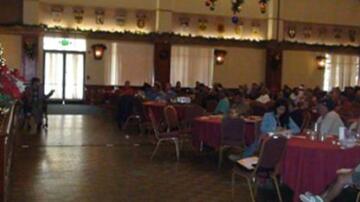
Dr. M. Nadir Sidiqi at the PAPA conference in Anaheim, California on December 6, 2012
Introduction: Plants are under attack by numerous kinds of pests (any organism harmful to our crops such as insects, fungi, bacteria, viruses, nematodes, weeds, rodents also include organisms that impact human or animal health, etc.). Humans also get attacked by bacteria, viruses, insects, etc. The difference between plants and humans is obvious. Everyone knows when a human gets sick; he or she visits the doctor. The physician asks the patient about his or her symptoms. On the other hand, when plants get sick or suffer, they remain voiceless.
Consequently, plant disease needs comprehensive help from a person who has knowledge, skill, experience, and an agricultural center that has facilities for diagnosing plant diseases, insect problems, plant nutrients, soil testing, tissues analysis, etc. In simple terms, the establishment of plant clinics in each province of Afghanistan is a high priority.
Let us begin with the definition of fungi, and then address the following sequence of topics:
- What symptoms and signs do fungi cause?
- How do fungi survive and spread?
- How are fungal diseases diagnosed?
- How are fungal diseases managed?
- Conclusion
- References
What Are Fungi?
This is a broad topic and a detailed account of the complex nature of fungi is beyond the scope of this paper. An interesting feature about fungi is that they lack chlorophyll (the green pigment in plants). Unlike plants, which contain chlorophyll to help them to make their own food through the process of photosynthesis (a process by which light, water, and carbon dioxide are converted to carbohydrates and oxygen release), fungi obtain their food from external sources by producing enzymes on living tissues of plants, organic materials, plants debris, etc. As a result of that function, they are called heterotrophic (unable to manufacture their own food). Most plants are autotrophic; in simple terms they are able to manufacture their food (carbohydrates) through the process of photosynthesis from sun energy and the presence of water. During this process, they release oxygen into the atmosphere.
Fungi play a very significant role in our environment. For instance, powdery mildew is one of the fungal diseases that cause damage to grapes worldwide. Apple scab is another fungal disease of apples throughout the world. In addition, edible mushrooms that people often consume due to their nutritional value, like white button mushrooms (Agaricus bisporus) and oyster mushrooms (Pleurotus species) are fungi. However, there are other types of mushrooms which exist in the wild and are poisonous. One must be careful about poisonous mushrooms which resemble edible mushroom species and only experts can distinguish between them. For example, a single cap (head of toxic mushroom) of the toxic species death cap (Amanita phalloides) or destroying cap (Amanita virosa) can kill a healthy adult person. Even ingesting a tiny bit of amatoxin (toxic compound of poisonous mushrooms) may result in liver ailments that will last the rest of a person’s life (the Handy Biology Answer Book, 2004).
Edible mushrooms, medicinal mushrooms (are used as possible treatments for disease) and poisonous mushrooms all belong to fungi groups. Unfortunately, it is not known how many Afghans have mistakenly become victims of wild poisonous mushrooms throughout the country. It is very important for the Afghanistan’s Ministry of Agriculture to inform and educate the public about the wild poisonous mushrooms, edible mushrooms, and medicinal mushrooms such as Shiitake (Lentinula edodes) and Reishi (Ganoderma lucidum). Therefore, production and management are crucially important issues.
Furthermore, fungi can cause diseases in humans; for example, athlete’s foot and ringworm of the skin are common diseases related to fungi group. Surprisingly, fungi are used as a powerful antibiotic against bacterial infections in humans, plants and animals. As courtesy advice from a medical point of view in developed countries, the unnecessary prescription of antibiotic is a very hot issue, and avoiding needless antibiotic use is the advice of most doctors. However, there is another very important aspect of fungi in certain agricultural products that can cause severe health issue by producing mycotoxin (a toxic secondary metabolite produced by certain types of fungi), which is carcinogenic to humans. For example, the fungus (Aspergillus flavus) produces toxic aflatoxin, which can be found in infected grain, corn, cereals, hay, peanuts, animal feed, etc. Either directly consuming these contaminated food products, or indirectly through the consumption of cow, sheep, or goat’s milk fed with contaminated crops, can create severe health issues for humans.
As a result, mycotoxin will cause severe health issues. Unfortunately, the extent of the effect of mycotoxin in Afghanistan is not known, so many people may have suffered due to this issue. Therefore, the investigation of these issues should be given priority in the country.
There are four major groups (phyla) of true fungi, including Ascomycota, Basidiomycota, Chytridiomycota and Zygomycota. I tried to simplify this topic and make it easy to understand for our readers. The first two groups are associated with plant pathogens, as compared to the last two groups which are less associated. Last but not least, certain fungi species can be used as fungicide (to kill fungus plant diseases). For example, Trichoderma harzianum is a soil-borne fungus that can be found throughout the world. This natural fungicide serves as a season-long control of root diseases because they colonize the root system, which prevents vegetables and ornamentals from harmful fungi. For instance, it protects against Pythium, Rhizoctonia, and Fusarium (names of plant diseases) and many others plant diseases. For example, two friendly environmentally products such as Rootshield® and Plantshield®, as well as similar numerous other natural products, can be found for use in the U.S. for organic crop growers to use. A tremendous amount of these soil-derived types natural products exist in the beloved soil of Afghanistan.
What needs to become a priority in Afghanistan is the conservation of all natural resources (from plants, soil, animals, etc.), and their utilization as a shield against Pythium and other related plant diseases for maximizing food and landscaping production and minimizing risk to public and environment. (Figures, part 1)
Fungi Hyphae & Mycelium, https://leavingbabylon.wordpress.com/

White button (Edible mushrooms), http://wisegeek.org

Death cap (Toxic mushrooms), https://mykoweb.com/

Shiitake (Medicinal mushrooms), https://edulis.com/

Athlete’s, British Mycological Society
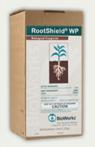
Rootshield/Plantshield, https://bioworksinc.com/
What Symptoms And Signs Do Fungi Cause?
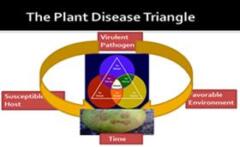
The most damage to plants is caused by fungi throughout the world. One can define the symptom in simple terms as a condition that makes plants look unhealthy and it gives the impression that something is wrong. The observed sign is the presence of mycelium or pathogen parts, on the plant leaves, stems, trunk and roots. However, fungi cause various symptoms depending on the type of plant and the part of the plant that is infected. Plants are most often under attack by numerous pathogens (causal disease agent) for the development of the disease called the disease triangle cycle. There are three factors which require observation namely aggressive pathogen, susceptible host, favorable environment, and an additional fourth factor which is time.
If any one of these three factors is missing, then the disease cycle will not develop. Unfortunately, with more than three decades of war, the plants, animals, and citizens of Afghanistan are vulnerable to multiple diseases. The remedy is to break the disease triangle cycle by providing an unfavorable environment to pathogens, resistant plant varieties, and also finding the source of a pathogen’s primary inoculum (causal agent parts) and eliminating it is very important at the initial stage in disease management. Plant pathogens (causal disease agents) are divided into two major groups: Biotrophs, which are also called obligate parasites (a parasite that obtains its foods from the living tissues of susceptible host), and Necrotrophs, which is also known facultative parasites (a parasite that obtains its food from dead plant materials). For instance, biotrophs is the powdery mildew on grapes, which is one of the worldwide diseases of grapes and causes a loss to grape production in Afghanistan. Limited resources and inaccurate diagnoses in respect to crop diseases, insects, and plant nutrition issues in the country, make this a challenging task. As a result, there is huge loss of crops every year. Similarly, apple scab is a disease (which kills tissues rapidly) of apple worldwide is an example of the Necrotrophs (Figures, part 2).
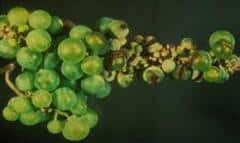
Powdery mildew on grapes

Apple scab
I hope the above brief information/summary explained fungi related diseases and gives us a sense of how to diagnose plant symptoms, which is a big challenge due to numerous pathogens (fungi, bacteria, viruses, nematodes, insects and etc.). On the other hand, environmental factors, such as temperature extremes, moisture extremes, soil problems, air pollution and humans adverse activities, etc., play a role in the health status and safety of delicious grapes, apples, pomegranates, melons and other fruits, crops, and animals in beloved Afghanistan.
How Do Fungi Survive And Spread?
Fungi are like other organisms and tend to adapt themselves for survival, especially during unfavorable conditions for growth. Even when host plants are not available, this ability enables certain fungi to survive by forming survival thick walled spores structures such as sclerotia and chlamydospores (survival structures). Some of the fungi can survive as saprophytes (obtain food from dead plant materials) in plant debris and soil.
Spores discharge and dispersal can be moved into the air by wind from local areas to other location and even from one country to another country over very long distances. For example, Ug99, which is stem rust disease of wheat, was discovered as a new aggressive race in Uganda in 1999 and for this reason it’s called Ug99. It was dispersed by the wind to Sudan, Yemen, and other neighboring countries. It even reached Iran, according to the United Nations Food and Agriculture Organization 2008 report. Also, there are other ways which facilitate the fungi spores spreading, such as tools, insects, birds and humans activities (improper trees pruning not sanitized practices).
Throughout history, adverse human activities (war, immigration) have encouraged the spread of diseases through food, agricultural commodities, and human contact, which are directly or indirectly related to each other. Food commodities from Pakistan and Iran might be infected with pathogens that might be imported into Afghanistan. In developed countries, certification for inspection is required. When any infested plant materials are found, then they will be disposed at the port of entry by the agriculture inspector. However, this is a big challenge in developing countries. In addition, melanin is a compound of dark pigment that is found in the cell wall of fungi, which can help to protect the fungi against the ultra-sunlight temperature. (Figures, part 3).
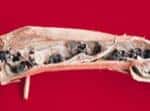
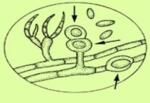

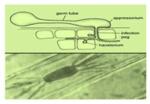
From first to last Black survival stage (sclerotia) of the white mold fungus in a tomato stem. Thick-walled chlamydospores of Fusarium sp. (arrows). Common ways of pathogen dispersal, Spore landing on leaf surface by forming germ tube.
Source: Gail L. Schumann & Cleora J. D’Arcy “Essential Plant Pathology”
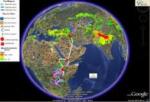
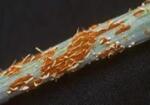
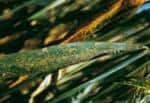
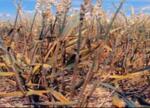
Scientists use Rust Mapper to track the spread of Ug99. Symptoms of Ug99 wheat stem rust: Black stem rust on wheat leaves Stem rust race Ug99 can be so devastating that wheat heads do not
Sources: plantwise.org, bellum.stanfordreview.org, newsroom.bayercropscience.com
How Are Fungal Diseases Diagnosed?
The most challenging job for the plant pathologist is to diagnose the plant disease which requires knowledge, skill, field experience and identification of the fungus (or bacteria, viruses, nematodes, etc.) along with the biology of the plant and environmental interaction. In fact, Afghan professional agriculturist colleagues are very capable of finding out the variables to handle the situation. Unfortunately the limited equipment and lab facilities make it difficult for accurate and rapid diagnose of the fungal diseases or other related plant health issues in the country. There are no diagnostic plant labs in each province. The following are basic survey questions from the field for use in the lab.
- Collectors: Collected date: ______
- Grower’s Name: ______ Address: ______Phone: ______
- Type of sample collected: ______ Plant species: ______
- Symptoms (compare with healthy specimens) ______
- Signs (evidence of the pathogen): ______ Percentage affected: ______
- Distribution pattern: ______ Past field history: ______ Other plant species present: ______
- Rainfall, irrigation events: ______ Soil type: ______ Where the problem was first observed: ______Types of chemical use (herbicide: to kill weeds, insecticides: to kill insects, fungicides: to kill fungi) Additional information (insect damage, other diseases): ______
Afghan Agriculturist’s Field Equipment
As a part of good field observation, diagnostic process field equipment are needed, such as notebooks and pens, digital cameras, hand lens, pruning shears or secateurs, paper bags, permanent marker pens, plastic bags and envelopes, drinking water and hat, knives (are necessary), trowels to collect soil samples, small glass bottles (vials), squeeze bottles of 70% ethanol, ice boxes and bottles of ice, saws to remove thicker branches if needed, and anything else necessary. Now, the question arises as to what happens if a fungus is suspected? In fact, there is a need to collect and submit a good sample to the lab. Afghan plant pathologists are required to have the following equipment along the aseptic generalized guidelines in the laboratory to follow:
Afghan Pathologist Plant Lab Clinic Partial Instruments
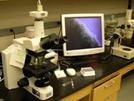
Microscopes (simple microscope, compound microscope, light microscope, electron microscope), autoclaves, pressure cookers, hot air ovens, incubators, temperature and humidity control chambers, colony counters, inoculation chambers, ultraviolet lamps, pH meters, water baths, centrifuges, balances, spectrophotometers or colorimeters, haemocytometers or petroff-hausser counting chambers, Filters, refrigerators, bunsen burners, hot plate stirrers, electricity generators, computer high speed internet, etc. (Figures, part 4).

Digital Microscope, royalvision.en

Vertical Autoclave, https://shhuifeng.en.alibaba.com/

Hot Air Oven, http://www.secorindia.com

Incubator, http://www.rochmechatronics.com

Temperature and humidity control chamber, Colony counter, http://www.guptaagenciesindia.com

pH meter, http://lisservice.com

Water bath, sourcing.indiamart.com

Laminar flow hood, http://directindustry.com

Lab refrigerator, sanyo-biomedical.co.uk

Centrifuge, http://labessentials.com

Inoculation loop, http://medicalexpo.com
Inoculation needle, http://hightunnels.org
Due to the limitation of the space in this paper it will be helpful to list the partial tools. These include: inoculation loop or inoculation needle, glass spreader, permanent marker, petri-dish cans, glass ware (test tube, petri-dishes, pipettes, flasks, beakers, durham tubes, slide and cover slips, and cleaning of glass ware). As such, we are to approach another very important stage of diagnose which is the isolation of the fungus. This brings our attention to consider the following basic rules and regulations in the laboratory:
- Free of contaminants is one of the high priority aims of each laboratory.
- Before and after each experiment, clean work area with a disinfectant.
- Eating and Drinking is strictly prohibited.
- Avoid placing pencils, labels or any material in your mouth.
- In case of culture is spilled, cover the area with disinfectant hydrogen peroxide (10% to 30%) for 15 minutes and then clean it.
- Make sure to turnoff lab burners when are not in use.
- All the waste must keep in waste container especially waste paper and contaminated glassware with proper care.
- Thoroughly wash your hands with soaps and water before and after leaving lab.
- Aseptic techniques are required to avoid contaminants such as hands, tools, air, bench top, plant surface, etc.
- Use knowledge, skill, experience and reference materials to help you what type of pathogen might be causing the problem.
- Record all the experiments detail and observation up to date.
The above brief information along with the partial list and images brings our attention to the reality of plant diagnostic laboratory issues: is such a plant lab available in each province of Afghanistan? Of course, all would agree that there is a need for a plant clinic in each province, and it would be an urgent need to arrange plant clinic laboratory as well as workshop, field and lab training for Afghan agriculturists in areas such as plant disease, plant nutrition, entomology (Science of insects) and pesticides (chemicals to control fungi, bacteria, insects, weeds and etc.), soil testing and etc.
In addition, there are needs for molecular diagnosis, for example, DNA extraction and much faster than manual lab diagnoses procedure which will take to identify the pathogen between one to three weeks or in some cases a month. As such, there are two kinds of tests which are commonly used for identification of pathogen in plant tissue much faster than manual lab identification techniques but expansive: Immunoassays and Polymerase chain Reactions (PCRs). (Figure, part 5)
- Immunoassays or serological test
- The Polymerase Chain Reaction (PCR) is even more specific than immunoassays.

PCR Machine
Source: http://www.utahpests.usu.edu
I hope the respected Afghanistan Ministry of Agriculture with the collaboration of international agencies will be able to provide plant clinic lab in each province of Afghanistan. It is absolutely worth it for the Afghan nation to have all the delicious fruits, vegetables, grains and other agricultural commodities in high yield with maintaining nutritional quality of their crops for their own improve livelihood health as well as health of exporting abroad. It would be suitable to proceed by beginning with very significant vital element such as management.
How are fungal diseases managed? It would be unfair to talk specifically fungal diseases management. However, due to the limitation and scope of this paper it would be more appropriate to use the term that will cover a broader scope such as “Integrated pest management” and then focus on fungal diseases management. As such, the question arises “what is IPM? Who will and how will they apply this integrated pest management?”
Let us come back with the definition of IPM (Integrated pest management), this is a combination of many tactics such as cultural practices (pruning the branches and etc.) biological control (utilizing beneficial organisms to suppress the adverse activity of harmful one), habitat manipulation, use of resistant plants, and chemical control with least hazard to the environment and public health for the purpose to maximize healthy food production (UC IPM, 2003).
As such, the fungal diseases and other types of plant diseases management strategies according to “Essential Plant Pathology” can be briefly categorized as follow:
- Avoidance: It is very important to understand meaningful concepts of disease triangle (susceptible host plant, aggressive pathogen and favorable environment) and their relationship. Also, crucially significant the fourth factor is time. Therefore, planting time in advance in certain situation along the site selection is very important in order to avoid favorable environmental conditions for disease development cycle.
- Exclusion: Laws and regulations pertaining to food and agriculture is one of the priority issues for improvement sustainable agriculture in Afghanistan. The main purpose is to protect plants and animals from fungi and other pests that are not yet present in certain areas. As such, impose quarantines local and international. For example, plant pathogen free seeds and other plant materials.
- Eradication: Eradication along sanitation is one of the keys to significantly reduce the pathogen population by removing infested debris or planting non-susceptible plants in the infested field for one year or more than years (crop rotation). Pruning the tree branches during dormant season can reduce canker disease and other problems and also to prevent spread of spores to new infection neighboring host plants sites.
- Protection: It would be smart and beneficial to avoid unnecessary use of chemicals (pesticides) because first line of defense should be focus on the above three strategies, includes resistant plants (possessing properties that prevent disease development), if there is need to protect the crops from destructive diseases (insects and weeds) than fungicides can be applied to protect plants against infection. In addition, it is very important to understand the type of pesticides especially least toxic to public health and environment that you want to use on pests, amount, time, application method, protection clothes and follow the label instruction all are the priority issues before buying and using for the accurate intended purpose.
Conclusion
Sustainable agriculture is a vital tool which provides proper food and nutrition for every individual, family, community, and nation. However, plants are always under attack by numerous pathogens (fungi, bacteria, viruses, and nematodes), insects and weeds. Additionally, fungi are the most destructive, and as a result, a wide range of crops are lost throughout the world. It is very important to understand the biology (life cycle) of each fungus that causes disease, as well as plant biology and their relation to their environment (disease triangle, aggressive pathogen, susceptible plant host, favorable environment and fourth factor time). Unfortunately, every year many dedicated and hardworking farmers throughout Afghanistan lose their crops due to pathogens (fungi, bacteria, viruses, nematodes, etc.), insects and other related issues. For instance, common diseases include the powdery mildew, a disease of grape and apple scab a disease of apple, rust a disease on wheat, and smut on corn. All of these are caused by different species of fungi.
It is very important for Afghan agriculturists to inform the public about poisonous mushrooms (flyer, pamphlets, etc.), so the people do not consume wild mushrooms. Also, Afghan nation have an opportunity for the cultivation of edible mushrooms, medicinal mushrooms, and production of other beneficial fungi to use for controlling plants diseases caused by fungi which belongs to the fungi kingdom. There is a desperate need to form a similar disease triangle, the collaboration triangle between the honorable Afghanistan Ministry of Agriculture, Afghan nation and international agencies. An important element is time needed to break apart any type of disease cycle (fungi, bacteria, viruses, nematodes, etc.), finding and eliminating sources of primary pathogens are important for plant disease management.
Collaboration and dedication of the Afghanistan Ministry of Agriculture, international agencies and Afghan growers, is a condition of success for positive change by having plant clinic facilities along with continuing educational seminars, conferences, and workshops in each province of Afghanistan. There are tremendous opportunities available in the natural resources of Afghanistan, especially plant products, that may be utilized for curing human diseases, plant diseases, insects, weeds, and animal’s management.
In addition, I request from the honorable Afghanistan’s Ministry of Agriculture to organize a Continuing Education for Afghanistan’s agriculturists during a two year period. This will maximize the food production and minimize risks to the public and environment from environmental harmful living and nonliving things in the fields during growing, harvesting, transporting, processing, storing, marketing and consumption locally and globally.
Acknowledgments
Last but not least, I would like to acknowledge our respected colleagues Mr. Ghulam Mujtaba, (President, the Society of Afghan Engineers and Editor-In-Chief SAE e-Newsletter), Dr. A. Wahed Hassani, and Engineer A. Manan Khalid; SAE editorial board members, for their valuable time and precious comments in the reviewing and publishing of this paper. I hope this will be useful with a potential opportunity towards healthy food production in Afghanistan.
References
- James Bobick., Naomi Balaban., Sandra Bobick., and Laurel Bridges Roberts: “The Handy Biology Answer Book” (2004).
- M. Johnson and Sri.V. Chandra Sekhar: “Principles of Plant Pathology Practical Manual” (2012).
- Schumann, Gail L., D’Arcy, Cleor: “Essential Plant Pathology” (2006).
- Diagnostic manual for plant diseases in Vietnam.
- Food and Agriculture Organization of the United Nations: http://www.fao.org/newsroom/en/news/2008/1000805/index.html
- IPM IN Practice: “Principles and Methods of Integrated Pest Management” (UC publication, 2003).
Biography
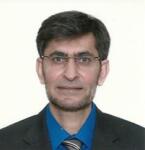
M. Nadir Sidiqi obtained his B.S. degree in Horticulture Science at the Agricultural University Peshawar Pakistan (1989), and his MS in 2003 Plant Sciences at California State Polytechnic University. He pursued his Ph.D. in 2004 as his life contribution in New Mexico State University (department of biology). Due to his adviser’s retirement the New Mexico University awarded him his second Master degree (Biology) and thus he transferred his Ph.D. to Atlantic International University as Ph.D. candidate. After the completion of the additional program requirements with the Atlantic International University and obtained his Ph.D. (Agriculture Science) in August 2009. He holds a license as an agricultural adviser with the State of California, department of pesticide regulation. Currently is the CEO/president of Organic Ecocare Inc., which provides seminar and continuing education for the State of California department of pesticide regulation. He has been invited as a guest speaker in an Afghan TV channel based in California, conferences and hosts for the Islam and Science show on Iman TV based in San Francisco, California every Thursday 1:30 PM California time and show repeat after 8 hours twice times in the U.S, and Canada.
Volunteers are needed to serve in the following SAE Committees/Subcommittees
The leaders and counselors of a few committees/subcommittees have been approved by the Board of Directors. More volunteers are needed to serve in the following Committees/Subcommittees:
- Finance Committee
- Capacity Building and Academic Development Subcommittee
- Conference and Training Subcommittee
- Student Subcommittee
- Advisory Subcommittee
- Publications Subcommittee
- Website Development and Maintenance Subcommittee
- Roadway and Bridge Design and Specifications Subcommittee
- Materials Specifications and Test Methods Subcommittee
- Environmental Engineering Subcommittee
- Afghan Professional Regulations Subcommittee
Please contact the Chairpersons of the SAE President, Ghulam Mujtaba at Email: mujtabaghulam@bellsouth.net if you are interested to serve as an SAE Committee/Subcommittee leader.
Interview with Mr. Mohammad Hashim Rayek; Project Manager, Loudoun County; Virginia, USA; and a Past President of the Society of Afghan Engineers
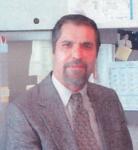
By: Abdul Wahed Hassani, PhD, P.E., M. ASCE
Mr. Mohammad Hashim Rayek is an active member of the board of directors and a past President of the Society of Afghan Engineers (SAE). He is presently serving as a project manager with the Loudoun County Government in Leesburg, Virginia. He has over 45 years of experience as a civil engineer and has served in various positions in Afghanistan and in the United States. Mr. Rayek received his Bachelor of Science in Civil Engineering from Faculty of Engineering of Kabul University, Afghanistan in 1968. He received his Masters degree from Roorkee University in India, and a diploma from Colorado State University, USA.
An interview was held with Mr. Rayek and the following are the interview questions/discussions (Q) and Mr. Rayek’s responses (R):
Q: It is a pleasure to get the opportunity to interview a friend who has served as a past president and a long time member of the SAE. I would like to begin by asking you to tell the readers briefly about yourself.
R: Thank you. I am very proud to have the opportunity to interview with the distinguished newsletter of the Society of Afghan Engineers (SAE). I was born in the lovely City of Kabul, Afghanistan. I completed my elementary and middle school education at Estacklal high school and my high school studies at the Afghan Institute of Technology (AIT). After completing my Baccalaureate Diploma at AIT, I joined the military services for eighteen months which was Compulsory for everyone at the age of twenty-one years. I later studied Engineering at the Faculty of Engineering of Kabul University and got married in 1968 after graduation. My wife and I have two children who have been educated here in the United States.
Q: When did you leave Afghanistan and settled in USA, also tell us about your work and education in the United States?
R: I left Afghanistan in 1986 and lived in New Delhi, India under refugee status. My wife and I settled in the Washington, DC area in 1989 and accepted an engineering position with the Department of Public Works for the Prince William County Government in Woodbridge, VA. In 1995, I accepted an engineering position as a project manager with the Department of Building and Development for the Loudoun County Government in Leesburg, VA where I remain employed to this day. My work involves the review and management of complex site plans, construction plans and profiles, and residential subdivisions with an emphasis on drainage facilities and environmental requirements. I continue to improve my Engineering Profession by taking various engineering classes at the Engineers and Surveyors Institute (ESI) and obtained my certificate as a Designated Plan Review Examiner (DPE) from George Mason University in partnership with ESI. I am required to take three classes each year to retain certification. I have also taken several transportation courses with the Virginia Department of Transportation (VDOT) and required County computer classes. I also have a certificate in Urban Erosion and Sediment Control from the State of Virginia, Department of Soil and Water Conservation.
Q: How many times have you been back to Afghanistan? What were the purposes of your trips?
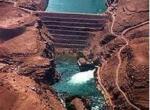
R: I visited Afghanistan three times through SAE. In 2002, the Board of Directors assigned four members to visit Afghanistan for fact finding and to explore the possibility of the participation of SAE members in the process of reconstruction activities. Since Mr. Malik Mortaza, who is one of founders and the first president of SAE, and I were familiar with Helmand Valley, we were asked to have a site visit. We stayed for a week and prepared a technical report for the rehabilitation of the irrigation network and Kajaki Dam. In 2004, I participated in the privatization conference at Kabul University and presented a paper about Irrigation Water Privatization. In 2007, I conducted capacity building classes for engineers, which were held at the Faculty of Engineering of Kabul University.
Q: Please tell us about your experience and positions held in Afghanistan?
R: As a young engineer, I started my career with the Helmand and Argandab Valley Authority (HAVA) and served there for over eleven years. I began working for the Helamad and Arghanbab Valley Authority in Lashkargah City as an engineer in the design section. After two years, I was promoted to the head of the design section as an Office Engineer. I participated in a training program with the Bureau of Reclamation for one year in Denver, Colorado and received a diploma in Water Resources from Colorado State University in 1971. In 1972, I was in the position of Director General of Operation and Maintenance of the Helmand project. This section was fully responsible for the operation and maintenance of the Kajaki and Dahla Dams and forecasting reservoir inflow and release for the dams with a consideration for water deemed for irrigation as well as power generation. Besides operation and maintenance of irrigation networks, my responsibilities included canals, secondary delivery systems, related structures such as roadways inside the project, project residential units, and the management and control of irrigation water for three provinces namely Kandahar, Helmand and Nimruz for releasing a certain amount of water out of the Country. In 1976, I was assigned as Director General of Planning Land Development of HAVA. My responsibilities primarily involved soil survey and investigation for land reclamation and installations of drainage system design and construction of irrigation networks. In 1977, I became the Acting Head of Technical Section which supervised three sections – Engineering General Director, Planning General Director of Operation and maintenances in HAVA. I was transferred to the Kabul Ministry of Water and Power and was assigned to an engineering position in the Irrigation Section. After a few months, I was reassigned to the Water and Power Engineering Company (WAPECA) due to their need for engineers. The government later divided the two ministries into the Ministry of Water Resources and Irrigation and the Ministry of Power. I was assigned to the Ministry of Water Resources as an engineer in the Planning Department. In 1983, I was promoted to the Directorship of Technical Evaluation in Ministry of Irrigation and Water Resources. This office was responsible for collecting technical data of all the development planning of water resources and land development projects. I was responsible for preparing quarterly progressive report for individual projects.
Q: You have vast experience in various phases of Helmand and Arghandab Valley Project. Can you tell us about this project and your observations during your visit of this project in 2002?
R: As you know Helmand and Argandab is the largest agricultural and irrigation project in the country with around 1,500,000 hectares of agricultural land under irrigation. There are two major hydroelectric dams, one being the Kajaki Dam in Helmand Province with a gross capacity of 1,715,000,000 cubic meters (1,390,373 acre feet) producing 33 megawatts of power with two generators. The other major dam is the Dahla Dam in Kandhar Province which is 34 kilometers north of Kandahar City and is operated by the Helmand and Arghandab Valley Authority (HAVA). It has a huge irrigation system with related hydraulics structures, an irrigation network, and drainage system. During our visit in 2002 to the Helmand project, we saw changes and damages specifically to the irrigation and drainage system. One of the radial gates at the headwork of the Bohkra Canal (which is the biggest canal of the project with 2,100 cubic foot/sec. of capacity and 75 kilometers of length) was damaged in many places; the canal and almost all of the main drains and hydraulic structures were blocked or damaged due to lack of maintenance. Darwahan Canal, which is the second largest canal in the project, suffered significant damage as well. Fortunately, the Kajaki and Dehla Dams were in good shape at that time.

Q: As a Consultant Engineer of Water and Power Engineering Company (WAPECA), what types of specific projects were you involved with? Is WAPECA currently active? Is there another agency similar to WAPECA has been established in Afghanistan?
R: WAPECA was an engineering company that usually worked as a joint venture with a foreign engineering company. I was assigned to the Wersage project that proposed irrigation and power generation on the Farkhar River in the Wersage Village of the Khanabad, in Kunduz Province. This project was in the feasibility stage and was proposed a concrete arch dam with irrigation canals and a network for cultivating land adjacent to the dam. WAPECA was a joint venture with two large companies – Con de Bleir, a French company which was very famous in concrete arch dam design and WAPCOS Company from India whose experience is in irrigation system design. I am sure WAPECA is currently active and, to my knowledge, no other similar agency has been established in Afghanistan.
Q: Government of India offered thousands of scholarships to Afghan Government, for Afghan scholars to pursue their higher education in India, considering regional factors; Do you think education in India will be more effective for practical application to the projects in Afghanistan?
R: Although Afghanistan and India do not share common borders, the two countries share a lot historically and culturally. Before India divided into its current day configuration of Pakistan and India, most of the trade from Afghanistan was done through India and, historically, we have had a very close cultural relationship. There is a lot in common between the countries from language proximity to cultural ties. I think it is extremely important to have strong relationships with India through education as well as strategically. There is a tremendous learning opportunity for Afghan students from the far superior educational system in India and we could apply this knowledge to current projects in Afghanistan. Fields such as engineering, medicine and the computer sciences are potential areas that Afghan students could flourish in by getting the proper education in friendly countries like India.
Q: What advice do you have for the young engineers of Afghanistan who pursue their engineering studies in India and other foreign countries?
R: My advice would be to the Departments of Afghan Government which are sending young engineers or any other field for training and study to India or other Countries to field of study related to the need of their Department and also to encourage Afghan engineering students to pursue fields of study that would relate to our engineering needs in Afghanistan. In other words, study fields that could be used to rebuild the country and have an immediate impact on the infrastructure. Refrain from unrelated fields that would prohibit immediate results. For example when Afghanistan obtained its independence from the British a number of Afghan students were sent to Turkey to pursue higher education. Some chose nautical navigation at a time when Afghanistan did not have ships or airplanes. Select fields where you will see immediate results and provide the greatest impact.
Q: Do you have any suggestions for the development of the Society in general and improvement of the SAE eNewsletter particularly?
R: In my opinion, SAE is following the right path, since the goal was to take an active part in the reconstruction process of Afghanistan.
which has been very successful. SAE has tried to be a technical advisor to the Afghan Government. In that capacity, the SAE has a tremendous role to play in building not just the infrastructure of the country but by introducing higher and better standards of development. This should result in encouraging better social development. We also see benefit in joint projects. Recently, the Ministry of Public Works and the Kabul City Mayor’s Office have taken steps for better collaboration between these agencies and the SAE. Regarding the SAE newsletter, it has been a very successful publication since its inception and has managed to introduce the SAE at an international level to engineers and other Afghans across the world. I would like to take the opportunity and thank everyone for their hard work and dedication to the SAE and our cause.
Q: You have experience in the drainage related design and construction activities of building structures in the State of Virginia. What are your thoughts and recommendations regarding the improvement of the current drainage system of Kabul City?
R: As we know there are many factors which have direct effects on drainage in the region. Although Kabul City is located in a low annual average precipitation area, but has very heavy short duration rainfall which create high intensity precipitation and runoff which create a lot of water ponds on the area and on construction site even somewhere on the streets where do not have adequate drainage facilities. With normal precipitation there are not many problems with surface runoff on construction sites. There is not a need for erosion and sediment control most time of the year. Fortunately, Kabul City’s only outlet drainage is the Kabul River which could serve as the main outlet for most parts of the city. But there are not a proper drainage management system designed and effective in Kabul city. Sewage is always a problem in Kabul city which may find its way to the storm water system.
Q: Thank you for taking the time to share your thoughts and experience with the readers of the newsletter. I wish you and other professional Afghans total success. Finally, what advice would you offer to the expatriate professionals and the members of the Society of Afghan Engineers regarding their roles related to be rebuilding of Afghanistan?
R: Thank you very much for giving me the opportunity to speak with you today. I once again congratulate you for publishing this wonderful newsletter. At this particular time of the history, our homeland needs our technical knowledge and experience to rebuild so it is good to be connected with all our members and colleagues. We need more unity and collective action as well as professional expertise. I wish continued success for those who are considering and thinking about rebuilding activities of Afghanistan.
“We need more unity and collective action as well as professional expertise. I wish continued success for those who are considering and thinking about rebuilding activities of Afghanistan.”
A Glance at Books and Publications
At this Section of the newsletter the reviews of the architectural, engineering, and management books and publications will be included. The reviews will include information about the publications that are Afghanistan related or other publications that reviewers may find useful for the architects and engineers in Afghanistan. The reviewers can write a summary of the books and publication that they have read and share their reviews with the readers of the SAE eNewsletter. Please let us know if you have reviewed any books that you want to share the information with newsletter readers.
Membership News
In this section the news about the seminars participation of members, new membership, awards, promotions, retirement and loss of the Society members will be provided.
Membership Renewal 2013
The attached form includes application for the new members and membership renewal. The application forms may be viewed at SAE website. The members are requested to take a few minutes of their time to inform the Society by sending their updated contact information.
The completed application/renewal forms may be mailed to Mr. Jawad Ibrahim at P.O. Box 11520, Burke, Virginia 22009-1520
Achievements and Awards
The newsletter will inform their readers of winners of awards or any other successes of Afghan professionals and students, especially, their Society members. You can help the SAE eNewsletter editors by providing the news of the achievements, award winners, promotions, and any other success stories.
“Advise us of success stories or achievements of the Society members and any Afghan professionals and students.”
Congratulations to Dr. Mohammad H. Qayoumi, President of San Jose State University, for his appointment to the Homeland Security Academic Advisory Council.
Dr. M. H. Qayoumi has been appointment to the Homeland Security Academic Advisory Council (HSAAC). The HSAAC, is composed of distinguished university presidents and academic leaders. The Advisory Council advises the secretary and senior leadership at the department on several key issues such as recommendations on issues related to student and recent graduate recruitment; international students; academic research and faculty exchange; campus resilience; and homeland security academic programs.
President Qayoumi will also serve as chair of the HSAAC’s new subcommittee on cyber security, which will advise on the department’s cyber security recruitment and workforce education efforts.
Congratulations to Dr. Zarjon Baha for his appointment as Interim Department Head
Dr. Zarjon Baha has been appointed to serve as the Interim Department Head of Building Construction Management, of College of Technology, effective January 14, 2013.
The Society of Afghan Engineers Organization
SAE E-Executive Committee Members:
President: Ghulam Mujtaba
Vice President: Atiq Panjshiri
Treasurer: Jawad Ibrahim
Secretary: Luis Durani
SAE Board of Directors:
Chairman: M. Qasem Kadir
Members: Yar M. Ebadi; Abdul Hamid (Farid) Kazi, Mohammad Saleh Keshawarz, Abdul Manan Khalid, Amanullah Mommandi, Mohammad Najib Poya, Abdul Saboor Rahim, and Mohammed Hashim Rayek
SAE Past Presidents:
Malik Mortaza, Sohaila Sanie Shekib, Ahmad Wali Shairzay, Mohammed Hashim Rayek, Abdul Hadi Rakin, M. Qasem Kadir, and Abdul Hadi Rakin
Chairpersons SAE Committees/Subcommittees:
Sohaila S. Shekib, M. Saber Sarwary, Samay Stanackzai, Ghulam Mujtaba, Nazeer Babakarkhial, Hasan Nouri, Najim Azadzoi, Atiq Panjshiri, Abdul Karim Yusufzai
SAE Manager Membership Committee:
Naim Shahab
Email: naim.shahab@gmail.com
SAE eNewsletter Editorial Board:
Editor-In-Chief:
Ghulam Mujtaba, M.S, CE, P.E., CPM
E-Mail: mujtabaghulam@bellsouth.net
Editorial Board Members:
A. Wahed Hassani, Ph.D., P.E.
Email: awhassani@gmail.com
A. Manan Khalid, M.S., P.E., LEED AP
E-Mail: manank10@gmail.com
SAE eNewsletter Regional Representatives:
Mohammad Mirwais
Email: mirwaisarchitect@gmail.com
Daod Mohammad
Email: dmohammad@suncor.com
Subscribe/Unsubscribe: The subscription to the SAE eNewsletter is free. If you are not receiving the SAE eNewsletter directly and would like to subscribe, please send a note to: mujtabaghulam@bellsouth.net with the subject “Subscribe: SAE eNewsletter”. To unsubscribe, send a note with the subject “Unsubscribe: SAE eNewsletter”.
Disclaimer: The author, reporter, or agency of each publication, project, news, and products is included in this newsletter. Additional contact information of the authors and their agencies are available with the Editorial Board of the newsletter and may be provided upon request. The Editorial Board of the Society of Afghan Engineers, Executive Committee, Board of Directors, or any of its members is not liable for the accuracy or contents of the information. The reports and information are included as provided by the authors and agencies without any changes in the substance of the documents. The information about the agency products or services is not the SAE endorsement.
The Society of Afghan Engineers
https://www.afghanengineers.org/donate/
P.O. BOX 11097 Alexandria, Virginia 22312
Telephone: 703-407-2600
Email: info@afghanengineers.org