SAE Newsletter – 2013-07 – Volume 3, Issue 3
Emphasizes the critical implementation and training for the International Building Code (IBC) within Afghanistan, alongside expert perspectives on resolving specialized geotechnical engineering challenges.
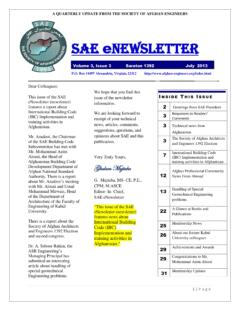
July 2013, Volume 3, Issue 3, Jadi 1392
P.O. Box 11097 Alexandria, Virginia 22312
Dear Colleagues:
This issue of the SAE eNewsletter (newsletter) features a report about International Building Code (IBC) Implementation and training activities in Afghanistan.
Mr. Azadzoi, the Chairman of the SAE Building Code Subcommittee has met with Mr. Mohammad Azim Alozai, the Head of Afghanistan Building Code Development Department of Afghan National Standard Authority. There is a report about Mr. Azadzoi’s meeting with Mr. Alozai and Ustad Mohammad Mirwais, Head of the Department of Architecture of the Faculty of Engineering of Kabul University.
There is a report about the Society of Afghan Architects and Engineers 1392 Election and second congress.
Dr. A. Saboor Rahim, the ASR Engineering’s Managing Principal has submitted an interesting article about handling of special geotechnical Engineering problems.
We hope that you find this issue of the newsletter informative. We are looking forward to receipt of your technical news, articles, comments, suggestions, questions, and opinions about SAE and this publication.
Very Truly Yours,
Ghulam Mujtaba G. Mujtaba, MS- CE, P.E.,
CPM; M.ASCE
Editor-In-Chief,
SAE eNewsletter
“This issue of the SAE eNewsletter (newsletter) features news about International Building Code (IBC) Implementation and training activities in Afghanistan.”
Inside This Issue
- 2 Greetings from SAE President
- 3 Responses to Readers’ Comments
- 3 Technical news from Afghanistan
- 3 The Society of Afghan Architects and Engineers 1392 Election
- 7 International Building Code (IBC) Implementation and training activities in Afghanistan
- 12 Afghan Professional Community News From Abroad
- 13 Handling of Special Geotechnical Engineering problems
- 22 A Glance at Books and Publications
- 25 Membership News
- 26 About our former Kabul University colleagues
- 29 Achievements and Awards
- 29 Congratulations to Mr. Mohammad Azim Alozai
- 31 Membership Updates
Greetings From The SAE President
Dear Members of the Society of Afghan Engineers:
A review of the comments and suggestions of the SAE eNewsletter readers indicates that they consider this publication a forward step in improvement of communication between professionals residing in Afghanistan and abroad. In addition to this publication, we should seek other means and methods to improve communication between professionals.
The professionals are willing to be of help to their beloved country by providing professional advices and assistance in the areas of the capacity building; and development of the design standards, building codes, specifications, manuals, and design guidelines. It is the responsibility of the Afghan governmental agencies and societies to initiate and implement these activities in Afghanistan. The formation of committees in each area is the first step toward the implementation of this process. Only Afghans know the needs of their country better than others and would be able to bring improvements in the areas of their expertise. It is not practical that we expect others to perform these functions for us.
The Afghan professionals working outside Afghanistan are interested to share their professional knowledge, expertise, and experiences with their colleagues who are residing in Afghanistan. There might be tasks which Afghan expatriates would be able to perform without taking leave from their current jobs. During their travels to Afghanistan they may be able to extend the duration of their stay in order to meet with professionals of their fields, offer short term courses, present technical topics, and share their experiences with colleagues. The improvement of effective communication is the key to the accomplishment of the aforementioned tasks. The communication may be improved by formation of an Afghan Governmental Agency/SAE Liaison Committee in order to hold regular virtual meetings to discuss the technical needs and developmental activities of Afghanistan.
We are looking forward to receipt of your suggestions related to improvement of communication or effective communication between professional colleagues within and outside Afghanistan.
Very Truly Yours,
Ghulam Mujtaba
G. Mujtaba, MS- CE, P.E., CPM
President, the Society of Afghan Engineers
Responses To Readers’ Comments
Comments from Professor Dr. Zarjon Baha former Dean of the Faculty of Engineering, Kabul University
Professor Baha, the Interim Department Head of Building Construction Management, of College of Technology, Purdue University, has sent the following note to Editor-in-Chief in is email of April 2, 2013.
“Thank you for completing another issue of the great newsletter for SAE members and those who are interested in the technical issues related to Afghanistan. I am always looking forward to receive its copy and command all those who are working very hard to publish it. Best wishes always and have a great day Zarjon.”
Response to Professor Baha’s Comments
Dear Doctors Sahib Salam:
Thanks for the comments regarding the last issue of SAE eNewsletter. I am very pleased to know that you have enjoyed reading it.
Best regards,
Ghulam Mujtaba
Editor-In-Chief SAE eNewsletter
Technical News From Afghanistan
In this issue of the newsletter there are reports about the Society of Afghan Architects and Engineers 1392 Election and second congress.
There are articles related to Afghanistan Building Code implementation and training activities.
The Society Of Afghan Architects And Engineers 1392 Election
By: Ghulam Mujtaba, P.E., MSCE, CPM, M. ASCE
The Society of Afghan Architects and Engineers (SAAE) have held their election. Dr. Zabi Mojaddidy, the newly, elected president has sent a message to the SAAE members. In his message he has announced the results of the election for the positions of the president, executive committee, and Board of Directors.
On behalf of the Society of Afghan Engineers (SAE) I would like to take this opportunity to congratulate the elected President, Vice Presidents, and Board of Directors for being elected as the Society Officers.
The election results show that Dr. Zabi Mojaddidy has been elected as the President, Mr. Abdul Wahid Ahad as the Vice President-Architectural Affairs, Mr. Mohammad Naseer Rahmat as the Vice President – Engineering Affairs and Ms. Dalia Akbarmir as the Vice President-Executive Affairs.
The 13 elected Board members are Architect Jamil Khalid, Engineer Khadija Mayar, Engineer Mohammad Younes Nawandesh, Architet Ahmad Bilal Popal, Engineer Said Habib Ghazanfar, Arcitect Homa Khalid, Mohammad Yaqub Shaghasy, Architect Daud Mohmand, Engineer Abdul Rahman Watanwall, Engineer Sabira, Architect Said Sharif Hosainy, Engineer Yar Mohammad Taraky, and Engineer Khozmand Olomi.
Brief Bio of Dr. Zabihullah Mojaddidy, the Elected SAAE President
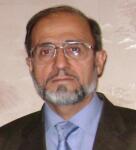
Dr. Zabihullah Mojaddidy has 38 years of experience in engineering practice, upper level management, project management and review, capacity development, Quality Control (QC) and Quality Assurance (QA), site safety & health management, university level teaching and advanced research; in the United States, Saudi Arabia, Pakistan, and Afghanistan. Experience includes over 8 years of responsible work on design-build reconstruction and development projects, upper level management and capacity development in Afghanistan; 10 years of engineering practice in the United States in quality control, project management, land development, design of buildings, drainage and roadway structures, geotechnical engineering, and field inspections; 12 years as university professor overseas in the area of civil/structural engineering and involved in curriculum development and, 8 years of volunteer work for Afghan refugees of the Soviet invasion. Upper level management experience includes serving as deputy minister of Higher Education and Provincial Governor.
Dr. Mojaddidy has also served as member of Board of Directors of the Society of Afghan Engineers (SAE) in the US. His other professional affiliations are:
- Lifetime Member, American Society of Civil Engineers (ASCE) – USA
- Charter Member, Structural Engineering Institute (SEI) of ASCE – USA
- Member, International Who-is-Who of Professionals, 1997
Presently, Dr. Mojaddidy is serving as Senior Capacity Development and QA Advisor at the Ministry of Public Works in Afghanistan. He is also actively involved in the following Afghan councils:
- Senior Council of Higher Education; Ministry of Higher Education, Kabul;
- DCDA Advisory Board; New Kabul City Project,
- Council of Experts; Kabul Municipality; Kabul City
A Message From SAE President To The Former SAAE President; Related To SAAE Second Congress
The following message was sent to SAAE president prior to their election and second congress:
May 18, 2013
Professor Jamil Khalid, President
The Society of Afghan Architects and Engineers
Kabul, Afghanistan
Re: SAAE Second Congress
Dear Professor Khalid:
On behalf of the Society of Afghan Engineers (SAE) I would like to take this opportunity to congratulate you, other officers, and committee members of the Society of Afghan Architects and Engineers (SAAE) for holding the Society’s Second Congress. It is with great pleasure and pride that I send this message through you to welcome all attendees of the Second SAAE Congress for their participation in the historical gathering to discuss the immediate and long-term technical needs of our beloved country, Afghanistan. These types of gatherings will inspire brainstorming ideas; strengthen the relationship and cooperation between professional societies, universities, architects, engineers, inspectors, technicians, and other professionals in Afghanistan and abroad so that they better represent their profession. The joint efforts of the societies and governmental agencies will have great effects in their developmental activities and accomplishments.
In my opinion one of the main items that may require immediate attention is the establishment of the Department of Professional Regulations to develop and implement regulations for registration and licensing of architects, engineers, inspectors, and technicians that are practicing their professions in Afghanistan.
Afghanistan certainly is in needs of work in many other areas, including the following:
- The preparation of codes, norms, specifications, and standards for the design, construction, and maintenance of building structures, roadways, bridges, and other infrastructures;
- The development of qualification criteria for materials testing laboratories and their personnel;
- The availability of the list of qualified laboratories, material suppliers, and manufacturers that deliver their products and services to Afghan projects;
- The development of the qualification criteria for architectural and engineering consultants and contractors that work in the design and construction projects of Afghanistan; and
- The classroom or online updated training programs for professionals in areas of their practices.
In order for the Afghan societies to be aware of the immediate and long-term needs of their country, I recommend that a liaison committee comprising of the representatives of the societies and governmental agencies should be formed. The liaison committee should determine the technical needs of Afghanistan and refer them to the experts in their societies. I urge the Afghan professional societies to cooperate with each other and build partnership with governmental agencies so that the aforementioned activities would be processed in a timely manner. In unity we all win the future and can grow to an organization which would influence reconstruction and developmental policies of Afghanistan.
Thanks to the SAAE for giving us the opportunity to express our message and greetings to the attendees of the Congress. We are wishing SAAE continued success. It is a privilege for the Society of Afghan Engineers to serve as a team member of the united Afghan professional societies and offer cooperation and technical assistance as may be needed.
Please convey our greetings to all attendees of the SAAE Congress.
Best regards,
Ghulam Mujtaba
Ghulam Mujtaba, M.S., CE, P.E, C.P.M, M. ASCE
President, the Society of Afghan Engineers
CC: SAE Board of Directors
SAE Executive Committee
SAE Committees/Subcommittees
Eng .Dalia AkbarMir , SAAE Vice President
Afghanistan Building Code, Update From Kabul, Afghanistan
By: Architect Najim Azadzoi, AIA, Newton, Massachusetts
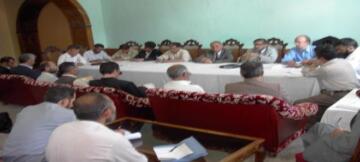
In May, 2013, the Society of Afghan Engineers was informed by Mr. Mohammad Azim Alozai of his appointment as the Head of Afghanistan Building Code Development Department of the Afghan National Standard Authority (ANSA). Mr. Azim Alozai is a member of the Society of Afghan Engineer (SAE).
In return Professor Ghulam Mujtaba, the SAE President in the USA, sent a congratulatory email to Mr. Alozai and wished him success. He offered the SAE’s assistance and contributions in the development process of the Afghan Building Code. In his email, he introduced Mr. Najim Azadzoi, SAE Building Code Subcommittee Chairman, and Mr. A. Manan Khalid, SAE Board Counselor.
Accordingly, during a recent visit of Mr. Azadzoi to Afghanistan, Mr. Azim Alozai and Mr. Azadzoi met in Kabul on May 30, 2013 and the subject of the Building Code for Afghanistan was discussed in detail.
Mr. Alozai briefly described that the Afghan Building Code is comparable to the International Building Code (IBC) with separate chapters for building designs, urban planning, bridge designs, and roadway design. The Afghan Building Code does not include plumbing codes, electrical codes, fire protections, HVAC (Heating, Ventilation, and Air Conditioning), and a few other topics. The current draft of the Afghan Building Code is about 2,000 pages of English text that needs to be translated into Pashtu and Dari.
Mr. Azadzoi briefly highlighted the SAE’s continuous efforts regarding the development of the Afghan Building Code since 2002. The SAE initiated the first steps toward the development of the Afghan Building Code in Kabul in the September conference of 2003. At that time, a Building Code Committee was formed. The Committee was composed of the members from the SAE in the US and engineers and architects from the Ministry of Housing and Urban Development, Kabul Municipality, Ministry of Public Works, the Faculty of Engineering of Kabul University, and Kabul Polytechnic University.
Furthermore, Mr. Azadzoi held a separate meeting with Mr. Mohammad Mirwais, Head of the Department of Architecture of the Faculty of Engineering of Kabul University, in Kabul on May 31, 2013. Mr. Mirwais indicated that a special meeting of the members of the Afghanistan Building Code Committee will be held and he will participate in that meeting. During the meeting, he will discuss the possible roles, contributions, and participation of the SAE members in the future activities of the Afghan National Standard Authority (ANSA), especially, of the Afghan Building Code Development Department. The Society of Afghan Engineers in the USA and its Building Code Subcommittee Chairman, Mr. Azadzoi, awaits further communication from Mr. Alozai, Head of the Afghan Building Code Department, for further action.
Reported by Najim Azadzoi, AIA,
Chairman, Building Code Subcommittee
The Society of Afghan Engineers
About the Author: Mr. Najim Azadzoi, AIA is the member of the Society of Afghan engineers and the Principal at Azad Architects www.azadarchitects.com
International Building Code (IBC) Implementation and Training Activities in Afghanistan
By Dennis Lee Freitas,
AIA December 2012
Introduction
The government of Afghanistan started to adopt the International Building Code (IBC), Zoning Regulation/Guidelines, and handicapped accessible design guidelines in 2005. The United States Trade Development Agency (USTDA) provided funding for feasibility study of IBC adoption into Afghan standard code in 2004. The contract was awarded to the International Code Council Foundation (ICCF). The project was implemented through the Ministry of Housing and Urban Development (MoH&UD). More recently, the government of Afghanistan has established the office of Afghanistan National Standard Authority (ANSA), which oversees the adoption of the construction codes and standards.
Members of the Society of Afghan Engineers (SAE) residing in Afghanistan have been assisting MoH&UD since 2003. Technologists Inc. (Ti) has been providing technical support to the team assisting with the code adoption since 2005.
The preparation and implementation of Afghan building code in all areas may take 15-20 years to reach to a level of enforcing the application of the codes. To reach that level, the government agencies, universities professors, and architects/engineers working in design and construction will need continues training in adoption and application of the code.
The professors from Kabul Polytechnic University and Faculty of Engineering of Kabul University requested Ti to organize a brief series of training workshops related to the contents and utilization of IBC. Accordingly, Ti developed a brief one-week course of study for the professors of both universities (Table No. 1). During the presentations, the highlights of the IBC, especially, the contents of the course were discussed (photo No. 1). The course contents included handouts and power point presentations. Ti also invited the members of MoH&UD as well as the Society of Afghan Architects and Engineers (SAAE) to participate and assist in the training. The author was the main instructor of the course. The other course instructors were Malik Mortaza, a member of the society of Afghan Engineers and a Ti employee; Daud Mohmand, Chief Architect for Ti; Ralph J. Bouza AIA, Design Director for Ti; M. Sharif Dehyar, the Director of Codes and Standards in MoH&UD; Jamil Khalid a professor in the Faculty of Engineering of Kabul University and the President of SAAE; and Zia H Raffiq AIA, member of SAAE.
The efforts of Mr. Jamil Khalid, SAAE President; Mr. Zia Raffiq; Mr. Ralph Bouza; Mr. Sharif Dehyar; and Mr. Malik Mortaza in making the arrangements for the course and their voluntary contribution in providing the training are appreciated.
Table No. 1- List of the trainees:
| No | Name | Position | Institution |
| 1 | Mr. Sulayman Atmankhail | Dean of Arch. | UPI* |
| 2 | Mr. Mohammadullah Ebrahimi | Professor | UPI |
| 3 | Mr. Jawad Niazi | Professor | UPI |
| 4 | Mr. Mirwais Faizi | Professor | UPI |
| 5 | Mr. Yonus Wafa | Professor | UPI |
| 6 | Mr. Esmail Sarwari | Professor | UPI |
| 7 | Mr. Khalilullah Mayar | Professor | UPI |
| 8 | Mr. Asadullah Atal | Professor | UPI |
| 9 | Mr. Mohammad Mirwais | Professor | KUEF** |
| 10 | Mr. Hemayat Aziz | Professor | KUEF |
| 11 | Mr. Ashiqullah Faryad | Professor | KUEF |
| 12 | Mr. Naweed Arya | Professor | KUEF |
| 13 | Mr. Jamshaid Habib | Professor | KUEF |
| 14 | Mr. Fawad Omar | Professor | KUEF |
| 15 | Mr. Ramin Sediq | Professor | KUEF |
| 16 | Mr. Habib Ghazanfar | Civil Engineer | SAAE |
UPI – University of Polytechnic Institute *KUEF – Kabul University Engineering Faculty
International Building Code
The International Building Code® (IBC®) is a model code that provides minimum requirements to safeguard the public health, safety, and general welfare of the occupants of new and existing buildings and structures. The IBC addresses structural strength, means of egress, sanitation, adequate lighting and ventilation, accessibility, energy conservation and life safety in regards to new and existing buildings, facilities and systems. The IBC applies to all occupancies, including one and two family dwellings and townhouses.
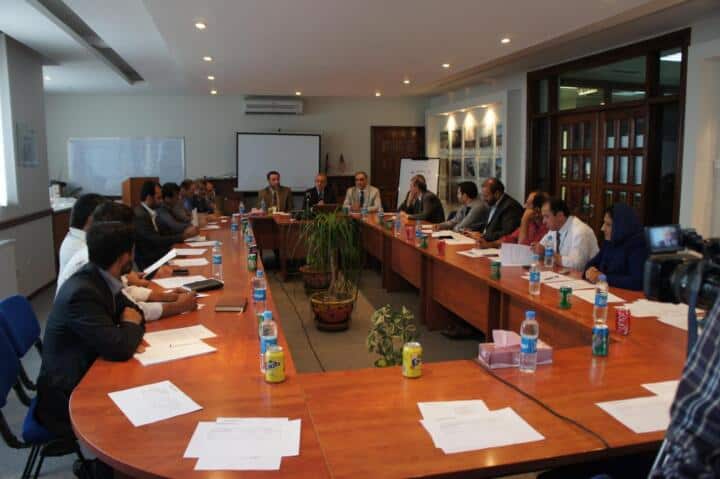
Photo No. 1: Introduction of the classes were made by Mr. Malik Mortaza and Mr. Freitas in Ti conference room, Kabul
Training Program
Ti, in cooperation with SAAE and MoH&UD, hosted a series of training workshops related to performing nonstructural plan reviews of building plans based upon the 2006 Version of IBC. This training was designed for Builders, University Faculty, as well as Architects and Engineers to prepare them for expanded efforts in the review of building plans for compliance with the life safety requirements of the IBC. This training provided a basic introduction to the IBC for individuals who have not been involved in the utilization of its provisions.
The trainers applied practical guidance for the review and applications of the IBC; utilizing general examples and case studies as well as specific principal application of the provisions of the code (Photo No. 2). This was conducted in a classroom environment so that it may be applied in the working environment of a plan reviews by a municipality for issuance of a building permit for construction.
An average of sixteen trainees participated (Table No. 1) in the once-a-week training sessions for eleven weeks (total of 28 hours). The training program included lectures, discussions, and questions & answer sessions. Ten participants received certificates (Photo No. 3).
Schedule of Training Sessions
The first training session was inaugurated by Dr. Zabi Mojaddidy, a member of SAAE and the Society of Afghan Engineers (SAE) on August 27, 2012. In his opening remarks, he welcomed the participants and briefly talked about the importance of the construction codes. The training sessions were held once a week on Thursday afternoons from August 27 to November 8, 2012. This aforementioned training program was scheduled during the days that the university professors did not have conflicts with their classroom activities.
The following topics were covered during the training sessions:
Building Plan Review
- Classify Occupancy
- Identify Types of Construction
- Determine Building Height
- Determine Type of Construction for Single Occupancy or Non Separated Mixed Uses
- Determine Minimum Type of Construction for Separated Mixed Occupancies, and Identify Unlimited Area Buildings
Means of Egress
- Check Number of Exits
- Check Egress Components
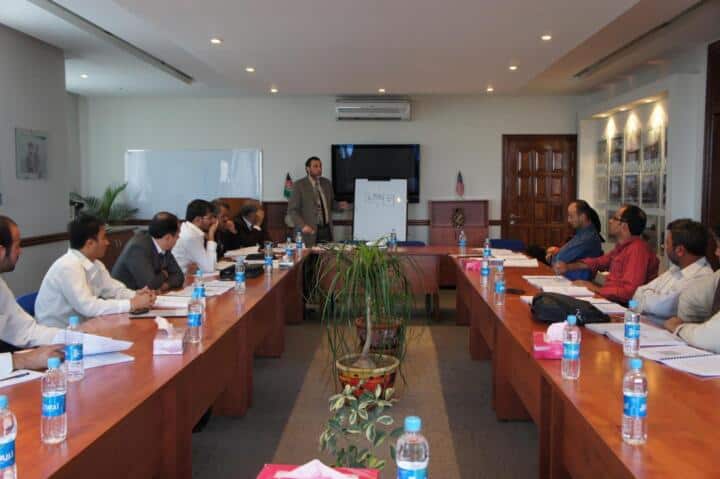
Photo No. 2: Mr. Freitas is providing the training in the Ti conference room, Kabul
Fire-Resistance-Rated Construction and Interior Finishes
- Check Exterior Walls, Check Fire Barriers, Check Fire Partitions, Check Fire Walls, Check Smoke Barriers, Check Smoke Partitions, Check Shafts, Check Floor Construction, Check Roof Construction, Check Penetration and Check Interior Finishes
Fire Protection System Review
- Check Standpipe System, Check Fire Alarm and Detection Systems, Check Fire Alarm and Detection Systems (Design), Check Fire Protection System Supervision
- Means of Egress (Identify Size and Capacity of Egress System, Determine Occupants Load) and Landscape Architecture.
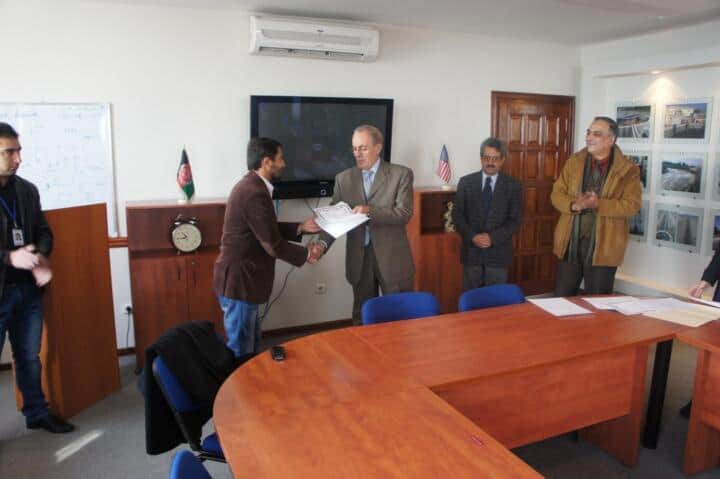
Photo No. 3: Mr. Malik Mortaza center, is presenting the certificate to one of the trainees; Mr. Sharif Dehyar and Mr. Jamil Khalid are on the right.
Conclusion
The participants found the training sessions useful and have asked for more training to be provided in the universities. We will try to accommodate more training for the universities, the governmental agencies; such as municipalities and other individuals from the private sectors.
Recommendations
Using IBC as a reference code was a wise decision by the Afghan government in lieu of the development of the new code and reinventing of the wheel. Establishing a new code is a lengthy process. During the waiting period for the development of a new code, more unsafe building/structures would have been built.
The training was provided to a group of professors/architects so that they become familiar with the basic format of the code and its application during the planning, design and construction stages of the buildings. The proper design and construction will ensure the durability and safety of the buildings and wellbeing of their occupants. During the last 10 years, more than thousands of buildings have been built; which parts of these constructions were commercial buildings; such as wedding halls, hotels, restaurants, apartment buildings, schools, etc. Some of the new buildings may not meet all of the safety requirements of the building codes, especially, their emergency evacuation requirements, in case of fire or other natural disasters.
It is important that the building designs, construction, and maintenance meet the requirements of the Afghan approved building codes. The goals should be to build durable and safe buildings. The design reviewers and construction inspectors of the governmental agencies, including municipalities and MoH&UD, have great responsibilities in the implementation of the code requirements. It is essential that building officials develop training courses and establish qualification requirements for the personnel who are in involved in the reviews of the building plans and the inspections of the building constructions.
Author’s Biography
Mr. Freitas is a US licensed practicing Architect with over 26 years of professional experience in the Design and Construction Industry and has taught several classes in the United States in the areas of code interpretation, design and drafting as it relates to the Practice of Architecture and the Built World. He is also a professional member of the American Institute of Architects and holds several International Code Council Certifications for building inspection, code and usability design for the building construction industry.
Afghan Professional Community News from Abroad
University of Maryland Clark School to Work with Afghan Ministry of Public Works
The news is selected from the University of Maryland A. James Clark School of Engineering Publication, dated August 30, 2012. Detailed information may be obtained at the following website: http://www.civil.umd.edu/news/news_story.php?id=6711

The Clark School has entered into collaboration with the Afghanistan Ministry of Public Works in the areas of transportation research, education and best practices.
Department of Civil Engineering Chair Ali Haghani signed a memorandum of understanding along with Najibullan Aoudjan, Afghan minister of public works, covering these specific areas of collaboration:
- Improving ways of managing the regions’ highways
- Sharing experience in transportation research
- Information exchange on providing safe driving conditions
- Sharing best practices.
Center for Advanced Transportation Technology Director Tom Jacobs will help foster the relationship.
Geotechnical Engineering Related Problems
Dr. A. Saboor Rahim has established ASR Engineering in California and currently serving as the firm’s managing principal and senior engineer. His firm has been involved in the geotechnical engineering activities in the United States and abroad. The Editor-In Chief of the SAE eNewsletter asked him to share his experience with newsletter readers related to collapsible and expansive foundation soils. These types of soils also exist in some regions of Afghanistan. Dr. Rahim accepted the editor’s request and submitted a paper. This will help the geotechnical engineers who encounter these types of soils during the subsurface explorations for foundation designs. His contributions in the advancement of SAE eNewsletter are appreciated.
Handling Of Special Geotechnical Engineering Problems
By A. Saboor Rahim, Ph.D., C.E, G.E.
June 3, 2013
Abstract
In general design of building foundations, slabs, and pavements; as well as other structures such as retaining walls, earth dams, slopes and storage structures designs are made on the basis of engineering properties of the soils encountered at the time of subsurface soil exploration. Field and laboratory tests are performed for evaluating these properties. The field and laboratory test data are routinely used in the design of foundations and stability of such structures. Occasionally, the geotechnical engineers may encounter soil conditions which require special considerations prior to and after construction of the structures. Examples of such conditions are the soils which exhibit collapse when subjected to moisture fluctuation under load (collapsible soils) and the soils having expansion potential when subjected to moisture fluctuation (expansive soils).
Collapsible soils are predominantly wind-blown (loess) deposits in which the particles are bonded by chemical agents such as calcium carbonate. The bond is lost when subjected to moisture fluctuation under load and consequently collapse takes place. Consolidation test may be performed for assessing the collapse potential of soils. Deep compaction and/or excavation and replacement are commonly used for improving soil collapse potential. For structures that have already experienced settlement due to soil collapse, among other methods, pressure grouting and chemical grouting are employed.
Expansive soils are predominantly clayey soils that experience volume change with change in moisture content. Among the clay minerals, montmorillonite has higher expansion potential and can swell up to 15 times its dry volume, and shrink when the moisture content is decreased. Expansion potential of soils may be evaluated by one or combination of plasticity index, expansion index, and consolidation tests. Various methods of minimizing damage to structures due to soil expansion are explained and soil moisture control, replacing expansive soils and chemical stabilization are further explained. Alternative methods of remediation of structures subjected to distress due to volume change of expansive soils are mentioned.
1.0 Collapsible Soils
Collapsible soils are predominantly deposited by wind and are referred to as loess. These soils have particle sizes in the silt range and contain bonding agents such as calcium carbonate. In dry condition, these soils are stable and remain stable even if vertical cuts are made. However, when subjected to saturation under load, these soils experience excessive immediate settlement, resulting in the development of settlement cracks and even structural failure. Loess soils are encountered in different parts of the world. In the United States, loess soils cover about 17 percent of the exposed soils, predominantly adjacent to the major rivers such as Mississippi and Missouri. In Afghanistan, loess soils are encountered in different areas, particularly the northern plains and some of the areas west and southwest of Kabul.
1.1 Determination Of The Collapsing Potential Of Soils
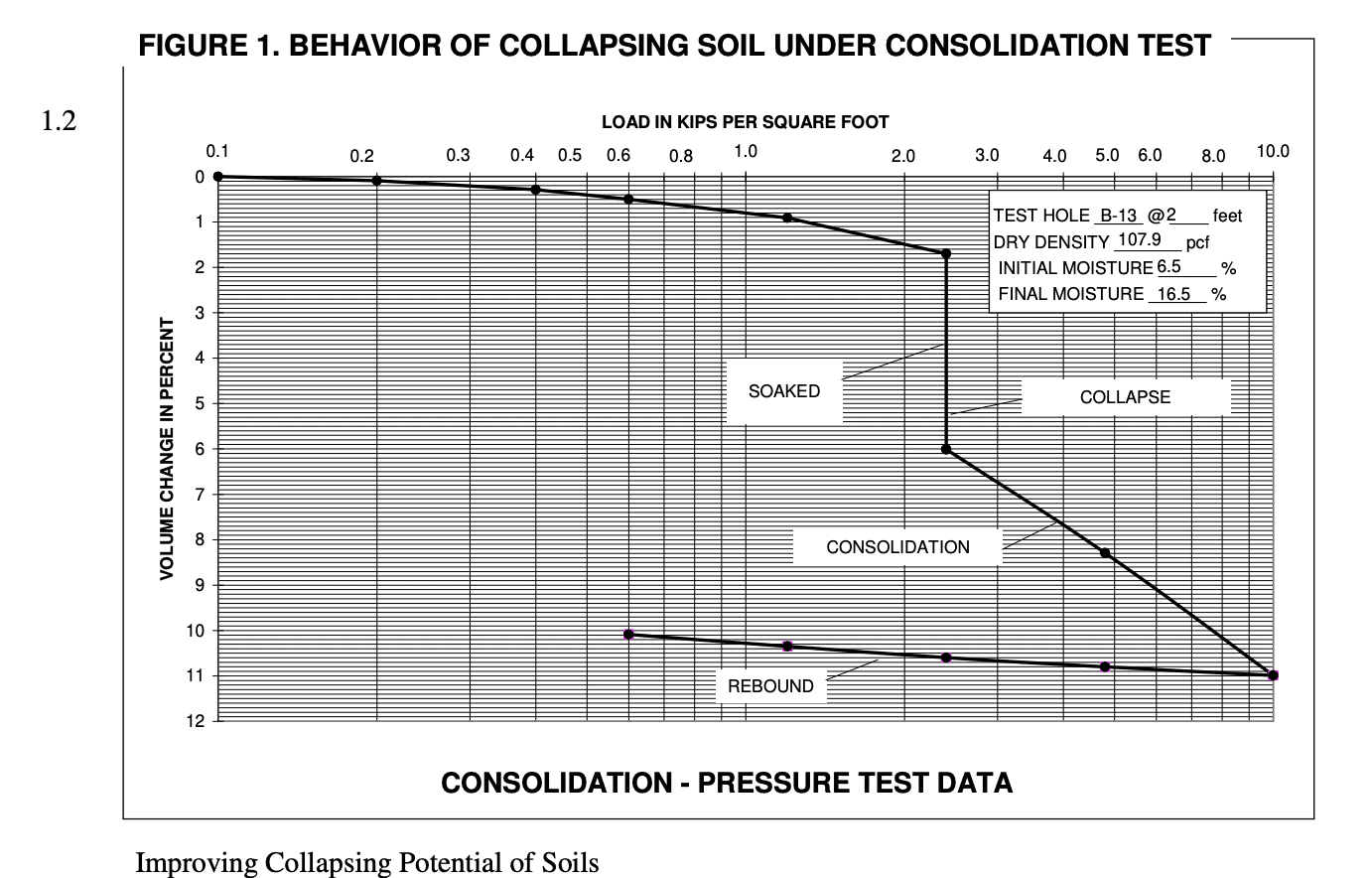
A simple method of determining the collapse potential of soils is the consolidation test (ASTM Method D 2435). For this purpose, initially, the soil subjected to consolidation test is loaded in increments without adding water until the load reaches the anticipated foundation load. At that load level, water is added to the consolidometer and the soil is allowed to saturate. If collapsible, the soil sample would experience excessive volume change/shrinkage. Similarly, this type of soil will experience excessive settlement under the load of a structure if subjected to moisture fluctuation. An example of such settlement is shown in Figure 1. As shown in the figure, the soil is loaded to 2.4 kips per square foot at its natural water condition. Subsequently, water is added and the soil sample is allowed to saturate, which resulted in the breakage of the chemical bond between the soil particles, and hence causes collapse of the soil. In the sample shown in Figure 1, the collapse resulted in a volume change of approximately 4 percent. Such a volume change could result in significant structural settlement if the soil is not properly improved.
The remedial measures employed for improving collapsible soil properties, and minimizing excessive future settlements depend, among other factors, on the degree of collapse, project size, load intensity and thickness of the collapsible layer. The two commonly used methods of improving collapse potential of soils are excavation and re-compaction, and employing dynamic compaction. The selected method of collapse prone soil improvement is employed at the time of site preparation and prior to constructing the foundations, slabs, and pavements.
In small projects, approximately 12 to 18 inches of the soils beneath the concrete slab and pavement areas and about 24 to 36 inches of the soils below the designed foundation level are excavated. Subsequent to compaction of the exposed surfaces in the excavations, if the excavated soils are determined to be suitable as engineered fill, they are placed in 6 to 8-inch lifts under controlled moisture conditions and compacted to the required degree of compaction to the designed elevation of foundation, slab or pavement.
For large projects, use of dynamic compaction (dynamic consolidation) is considered to be economically feasible. Depending on the thickness of the layer to be improved, a heavy steel or concrete weight is dropped repeatedly 3 to 10 times at the same spot from a predetermined height (heights of 20 feet or greater are common). Prior to implementation of dynamic compaction, a crater is formed for adding water to bring the moisture content of the soil to be improved to a desired level. If needed, additional compacted soil is placed to bring the site to the designed grade.
1.3 Remediation Of The Structural Settlement
There are various methods of remediating the structures that have experienced excessive settlement subsequent to construction. Prior to remediation, the thickness of the soil to be improved should be determined. The most common methods of settled structural soil remediation are pressure grouting and chemical grouting.
In the case of pressure grouting, cement slurry is injected into the predetermined depth of the soil to be remediated. The grout would raise the settled structural element close to its original level. Field monitoring is required to control the pressure and movement of the settled element of the structure.
In the case of chemical grouting, solution grouts including acrylamides, polyurethanes, acrylates, epoxies and sodium silicates are used for the remediation of settled structural elements. For most soils, use of polyurethanes is considered to be appropriate for stabilizing soils and remediation of the settled structural elements. For this purpose, high-density polyurethane is injected into the subsurface soils to be remediated. Expansive forces are created when the two components of the specially formulated high-density polyurethane polymer react. Prior to reaction, the low viscosity polymer flows easily into the voids and weak zones in the soil mass. As the reaction occurs, the expanding polymer compacts the surrounding soils. The resistance necessary for compaction to occur is achieved by the soil overburden and by creating a stabilized mass in the upper elevations by the top down injection patterns. Field monitoring is required to monitor the grouting process and vertical movement of the settled structural elements.
2.0 Expansive Soils
Soils that exhibit changes in volume with changing moisture content are called expansive soils. Expansive soils consist of clay minerals that are capable of absorbing water and increase in volume or experience shrinkage when their moisture content is decreased. The more water they absorb the more their volume increases. The capacity of a soil to shrink and swell is related to the clay minerals present, particularly montmorillonite, which can swell up to fifteen times its dry volume and generate pressures in excess of 30,000 pounds per square foot. Expansions of ten percent or more are not uncommon. This change in volume can exert enough force on a building or other structure to cause damage.
Cracked foundations, floors and basement walls are types of damage caused by swelling soils. The shrinkage can remove support from buildings or other structures and result in damaging subsidence. Fissures in the soil can also develop due to shrinkage. These fissures can facilitate the deep penetration of water when infiltration through water application or surface runoff occurs. This produces a cycle of shrinkage and swelling that places repetitive stress on structures.
Expansive soils are present throughout the world and are known in every US state. Although expansive soils cause billions of dollars in damage, most people have never heard of them. This is because occasionally the damage occurs slowly and may not be attributed to a specific event. It is rather attributed to poor construction practices or a misconception that all buildings experience this type of damage as they age.
2.1 Determination Of The Expansion Potential Of Soils
There are a number of laboratory tests that could be performed to assess the expansion potential of soils. A brief description on the most commonly used ones is presented herein.
- Plasticity Index (PI), ASTM Method D 424: This test is the first indicator of the expansion potential of soils. As a general practice, the expansion potential of the soil is related to the PI as follows:
| Plasticity Index | Expansion Potential |
| 0-14 | Non-critical |
| 14-25 | Marginal |
| 25-40 | Critical |
| Over 40 | Highly Critical |
- Expansion Index (EI), ASTM Method D 4829: This test, developed by the ASCE Expansive Soil Committee and adopted by U.B.C., is a commonly used test for evaluating expansion potential of soils. Expansion of the sample is subsequently measured and converted to the EI. This EI can then be correlated to an empirically developed classification for potential expansion.
| Expansive Index | Expansion Potential |
| 0 – 20 | Very Low |
| 21 – 50 | Low |
| 51 – 90 | Medium |
| 91 – 130 | High |
| Above 130 | Very High |
- Consolidation Test, ASTM Method D 2435: In this test, initially, the soil is loaded in increments without adding water until it reaches the anticipated foundation load. At that load level, water is added to the consolidometer and the soil is allowed to absorb moisture. If expansive, the soil sample would experience excessive volume increase. Example of such volume increase is shown in Figure 2. As shown in the figure, the soil is loaded to 2.4 kips per square foot at its natural water condition. Subsequently, water is added and the soil sample is allowed to absorb moisture, which results in the increase in the volume of individual clay minerals, and consequently the soil volume increases. In the sample shown in Figure 2, the expansion resulted in a volume increase of approximately 1.2 percent. Such a volume increase could result in significant damage to the structural element if the control of expansion is not properly addressed.
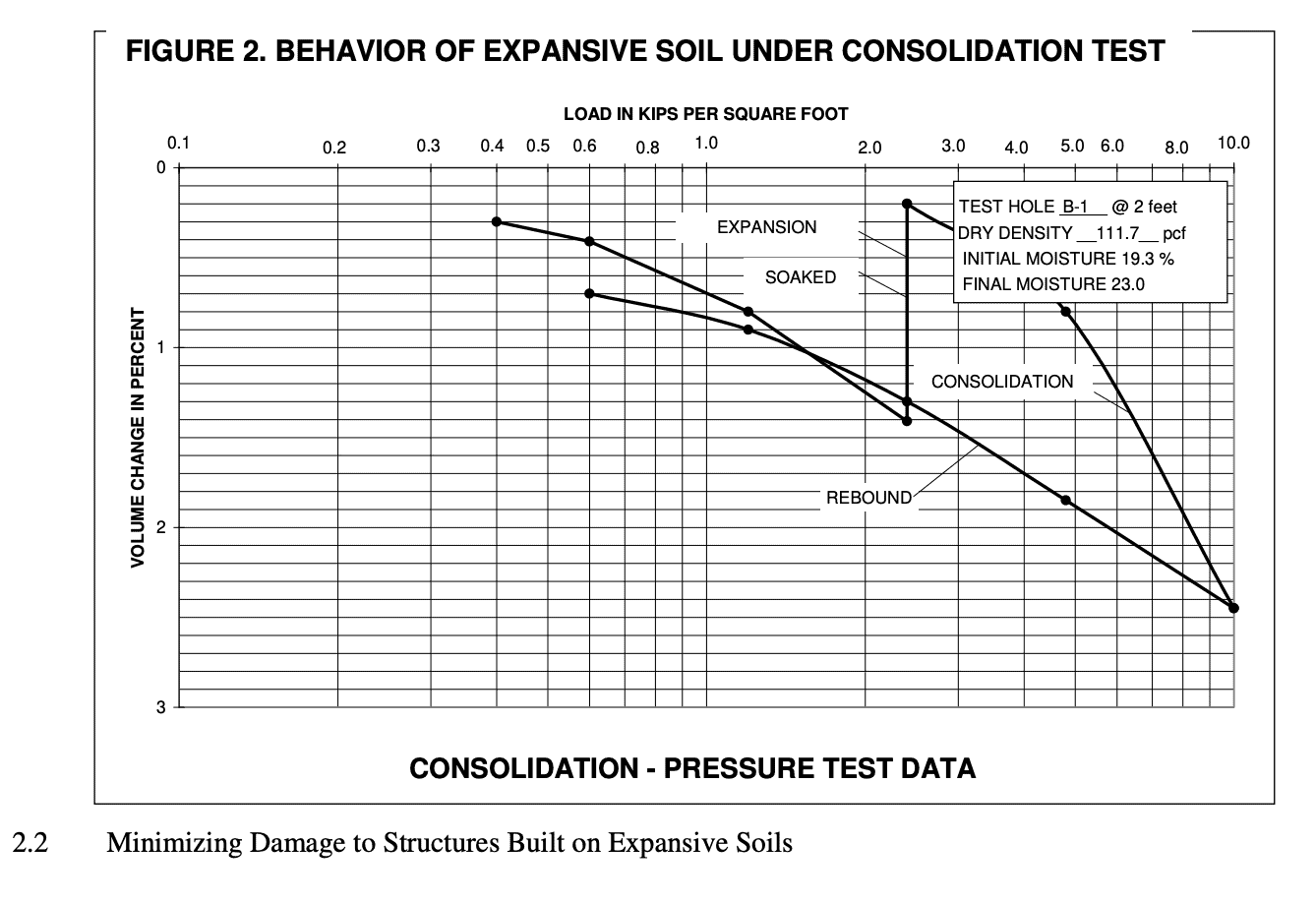
Structural damages related to volume changes of expansive soils could be minimized in a variety of methods, including but not limited to:
- Designing rigid structure that could tilt with differential movement but not crack.
- Employing flexible solution,
in which a series of rigid structures are joined flexibly where cracks are permitted to develop at predetermined joints.
- Transferring structural loads to soil layer below the expansive layer by means of under-reamed piles with fully suspended floors and grade beams kept clear of the soil by a sufficient margin to accommodate all potential swells.
- Controlling soil moisture content.
- Replacing expansive soil with non-expansive soil.
- Chemically stabilizing expansive soil.
Presentation herein is limited to brief discussion of the last three methods of minimizing the impact of soil expansion on structural integrity.
Soil Moisture Control: For soils with relatively low expansion potential, moisture conditioning the soil to about 3 to 5 percent above optimum, during construction/compaction operations would minimize their future expansion. It is important to maintain the subgrade soil in a moist condition at the time of placement of slab and foundation concrete or at the time of pavement construction. This economic solution would be effective if provisions are made to maintain the soils in a moist condition subsequent to completion of construction.
Replacing Expansive Soils: This method of controlling the adverse impacts of expansive soils consists of excavating approximately 12 to 18 inches of these soils beneath the slab and pavement areas and about 24 to 30 inches beneath the foundations. Subsequent to compacting the exposed surfaces to the required degree of compaction, the excavated soils are replaced with non-expansive soils and compacted in accordance with the project specifications.
Chemical Stabilization: Based on the project size and economic considerations, chemical stabilization may be considered as an alternative to replacing expansive soils. In this method, the soils indicated above are excavated, pulverized, chemically stabilized and placed back in the excavation and compacted per project specifications. The moisture content of the stabilized soil is maintained slightly above optimum conditions. Usually lime is used as a stabilizing agent. For most soils, a lime content of about 4 to 5 percent of the dry weight of soil is considered to be sufficient. The actual amount should be determined based on the results of the laboratory tests mentioned above. Usually, an additional 1 percent is added to account for losses that may occur during transportation and stabilization process.
In order to minimize fluctuation in moisture content of the soils underneath the buildings, it is advisable to restrict irrigation a minimum of 5 feet outside the building perimeter.
2.3 Remediation of the Structures Damaged by Soil Expansion
Structural elements distress could take place when the underlying expansive soils are subjected to different levels of moisture. Watering the plants near the foundation could cause high levels of moisture in those areas while the soil beneath the interior of the building may have lower moisture content, resulting in the heave of the soil near the foundations. Conversely, the soil beneath the interior of the building could be subjected to high moisture content, due to pipe leakage or capillary action, while the soil beneath the foundations may be subjected to evaporation, resulting in moisture content differential and, hence heaving of the interior of the structures. In some cases, however, this difference in levels of the slab may be mistakenly considered as settlement of the foundation. Therefore, it is important to properly identify the cause of building distress prior to formulating a remedial action. Some of the remedial options are mentioned below. The choice would depend on the cause and the severity of the distress.
- Minimizing use of irrigation water within 5 feet of the building
- Controlling moisture movement beneath the building by constructing a cutoff trench and installing French Drain around the building
- Raising the foundation level to the same level of the heaved interior of the building by pressure grouting, underpinning or other appropriate methods
- Breaking the slab, removing or treating the soil underneath the affected area and reconstructing the slab
3.0 Case Histories
There are many examples of the sites that the soils exhibited collapse or expansion and appropriate remedial measures were recommended. Two examples are briefly presented herein.
High School Site in Mendota, California: At this site, the upper 1.5 to 2.5 feet of the soil exhibited fairly high expansion potential and the underlying soils exhibited collapse potential. If not properly addressed, the foundation would have experienced excessive settlement while the slabs would have moved up due to soil swelling, resulting in substantial differential movement. At this site two different remedial measures were implemented. The soil collapse potential within the foundation areas were improved by employing dynamic compaction. The soils beneath the slabs and pavements were improved by lime treatment. So far, no significant settlements of heave of the structural elements have been reported for this project.
A Residential Building in Baton Rouge Louisiana: Significant cracking and distortions of the structural elements were reported for this building. In a lawsuit the property owner had claimed that improper compaction of the site soils had resulted in the settlement of the foundations which caused development of the building distress. After conducting field and laboratory investigations, to the surprise of almost everyone in the courtroom, it was determined that variation in moisture content of the expansive soil underneath the building resulted in the upward movement of the soils and was the cause of structural distress. This represents a mistaken case of taking the slab heave for foundation settlement.
4.0 Conclusions and Recommendations
It is likely that the soils encountered during subsurface exploration appear to be stable and capable of supporting the anticipated building loads. However, performance of appropriate laboratory tests may indicate special problems such as collapsing or expansion potential. By employing proper remedial measure to improve soil collapse or expansion behaviors prior to construction, the excessive building distress and expensive future repair costs would be eliminated. For this purpose, the following recommendations are made:
- Gather information regarding subsurface soil conditions in the general area of the project prior to conducting subsurface soil exploration and determine if collapsing or expansive soils exist in the area.
- Perform appropriate laboratory tests to assess if the soils exhibit collapse or expansion potential.
- Recommend appropriate remedial measures for implementation prior to construction.
- Closely monitor implementation of the recommended remedial measure during construction since some of the earthwork contractors are not familiar with performing deep compaction and lime stabilization.
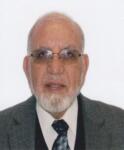
Author’s Biography
Registrations:
- Registered Geotechnical Engineer, California
- Registered Civil Engineer, California
- Environmental Assessor, California
Affiliations:
- American Society of Civil Engineers
- Society of Afghan Engineers (SAE)
Education:
- Ph.D., 1976, Civil Engineering, University of Pittsburgh, Pittsburgh, PA
- Post Graduate Diploma, 1970, Geotechnical Engineering, Asian Institute of Technology, Bangkok, Thailand
- M.S., 1967, Civil Engineering, Purdue University, W. Lafayette, Indiana
- B.S., 1964, Civil Engineering, Kabul University, Kabul, Afghanistan
Dr. Rahim has over 35 years experience in Geotechnical Engineering, Environmental Engineering, Construction Observation and Material Testing. He has established ASR Engineering, Inc. in 1994 in Fresno, California and currently serving as the firm’s Managing Principal and Senior Engineer.
Between the years 1967-1970, 1971-1972 and 1977-1980, Dr. Rahim taught various courses at the Faculty of Engineering, Kabul University and twice served as Chairman of the Civil Engineering Department. During the years 1977-1980 he also served as the Director of the Center for Engineering Consulting Services and Applied Research (CECSAR).
During the period 1970-1971, Dr. Rahim conducted a pile testing research project in Bangkok, Thailand.
From 1980 to 1986, Dr. Rahim served as the Director of Engineering for GDC Engineering, Inc., in Denver, Colorado and Baton Rouge, Louisiana.
From 1986 to 1987, Dr. Rahim was the Supervisory Engineer for Cooper Engineers, Inc. in Mountain View, California.
From 1987 to 1994 Dr. Rahim was Engineering Manager at BSK & Associates in Fresno, California.
In the summer of 1991, Dr. Rahim conducted a graduate level refresher course in design of highways and bridges for the Afghan refugee engineers in Peshawar, Pakistan through the joint efforts of the University of Nebraska and the International Rescue Committee (IRC).
FreeConference.com News
The Society of Afghan Engineers (SAE) has been holding their virtual meetings though FreeConference.com during the last few years. These virtual meetings include; the meetings of the Executive Committees, Board of Directors, technical committees, and general assembly of members. In some of these teleconferences our members and other interested personnel from Afghanistan and different states of the United Sates have attended. The dedicated staff members of the FreeConference.com have provided us quality services by responding to our inquiry promptly and in a timely manner.
On May 28, 2013 Mr. Jason Martin, President, CEO iotum inc informed SAE President that iotum, a communication and collaboration company (and creators of calliflower.com), has purchased Global Conference Partners and all its assets, including FreeConference.com. In his email he has indicated that their freeConference services will continue as usual. The following are links to iotum’s press release, website, and email address: Press release: http://iotum.com/Press_130515.html
- Web site: http://www.iotum.com
- Email address: info@iotum.com
The SAE President sent a congratulation note to Mr. Jason Martin for their success and mentioned about the quality services that FreeConference.com has provided us. It is a pleasure to know that our Freeconference services will be available under the iotum management.
In response, Mr. Martin, President, CEO iotum, Inc has thanked the SAE President for his congratulation note and has mentioned that they are very happy to have SAE as their customers. In his email he has indicated that “Afghanistan is a great nation and we’re very happy to help you in your efforts to provide support to your country’s engineers.”
Volunteers are needed to serve in the following SAE Committees/Subcommittees
The leaders and counselors of a few committees/subcommittees have been approved by the Board of Directors. More volunteers are needed to serve in the following Committees/Subcommittees:
- Finance Committee
- Capacity Building and Academic Development Subcommittee
- Conference and Training Subcommittee
- Student Subcommittee
- Advisory Subcommittee
- Publications Subcommittee
- Website Development and Maintenance Subcommittee
- Roadway and Bridge Design and Specifications Subcommittee
- Materials Specifications and Test Methods Subcommittee
- Environmental Engineering Subcommittee
- Afghan Professional Regulations Subcommittee
Please contact the Chairpersons of the SAE President, Ghulam Mujtaba at Email: mujtabaghulam@bellsouth.net if you are interested to serve as an SAE Committee/Subcommittee leader.
A Glance at Books and Publications
At this Section of the newsletter the reviews of the architectural, engineering, educational, management books and other publications of interest to SAE members will be included. The reviews will include information about publications that are Afghanistan related or other publications that reviewers may find useful for the architects and engineers in Afghanistan. The reviewers can write a summary of the books and publication that they have read and share their reviews with the readers of the SAE eNewsletter. Please let us know if you have reviewed any books that you want to share the information with newsletter readers.
In this issue we will include the reviews of the following published documents:
- An article, entitled; “Changing Profile of Education in Afghanistan” by Dr. Saif R. Samady
- A book entitled; “Managerial Skills and Practices for Global Leadership” by Dr. Bahaudin Mujtaba
- A book entitled; “Capitalism and its Challenges across Borders” by Dr. Bahaudin Mujtaba
- A book entitled; “Workforce Diversity Management” by Dr. Bahaudin Mujtaba
The following are brief reviews about the aforementioned publications:
1. Changing Profile of Education in Afghanistan
The article, “Changing Profile of Education in Afghanistan” is published by the German Institute for International Educational Research. The author of the article is Dr. Saif R. Samady, former Deputy Minister of Education. He has also served in the other positions in Afghanistan, including; Associate Professor in the Faculty of Science of Kabul University; and the President of the Department of Vocational Education and Teacher Training.
In the international level, Dr. Samady has served as the Regional Education Advisor (Bangkok); Director of UNRWA/UNESCO Department of Education (Beirut); Director of Division of Science, Technical and Environmental Education in UNESCO (Paris). In 2002/2003, he was the Chairman of Independent High Commission of Education for Afghanistan.
The following are the highlights of the Dr. Samady’s article:
- It describes the opportunities and challenges in different levels of education; including, basic, secondary, technical, vocational, and higher educations.
- It presents progress and expansion of education at all levels, based on statistical data for years 2002-2012. The article indicates that in year 2012 the first group of 22 students received their Master of Education degrees. The author mentions that there are 18 Faculties of Education in the Afghan Universities. As of 2012, forty-two post-secondary Teacher Training Colleges have been established, and 64,480 students (42 % female) enrolled in these colleges. In 2010 the National Association of Science and Mathematics Educators of Afghanistan was established to promote science and mathematics education in the country.
- The Ministry of Labor has been working closely with the Chamber of Commerce and Industry to provide short term vocational training courses. The National Skills Development Program was established with the assistance of the World Bank. The objective of this program is to train less educated unemployed population in short courses for basic skills in auto repair, carpentry, welding, and trades. This program aims at training 240,000 workers.
- The development of higher education has been significant. In addition to the four year degree programs and Doctor of Medicine (MD), the Universities in Kabul offer Masters Degree Programs in seven different fields.
- In 2012 there were 101,000 students in 21 public universities and 10 Institutes in Kabul City and 26 provinces. An important development has been the emergence of private higher education. There are about fifty private higher education institutions with a total enrolment of approximately 20,000 students in the country.
For detailed information and statistical data, the reader is referred to the article “Changing Profile of Education in Afghanistan”, which is available at the following web-links:
- http://eslus.com/articles/Ed-Afghanistan.pdf
- www.fachportal-paedagogik.de
- www.eslus.com/articles/Ed-Afghanistan
2. Managerial Skills and Practices for Global Leadership
Dr. Bahaudin Mujtaba is an SAE member. He is professor at Nova Southeastern University (NSU). His latest published book is entitled “Managerial Skills and Practices for Global Leadership” (2014, ILEAD Academy, LLC) and it is now available on amazon.com and Barnes and Noble website. This is a book relevant for managers and business owners, as well as business students as it talks about management and leadership skills along with such topics as teamwork, conflict, and stress management challenges in the workplace.
3. Capitalism and its Challenges across Borders
Dr. Bahaudin Mujtaba is also the editor of “Capitalism and its Challenges across Borders” which is published in June 2013 by ILEAD Academy, LLC. This book has a chapter related to capitalism and corruption concepts from four different continent and the following 16 different countries, each written by a professor who is a native of the country.
- Afghanistan
- China
- Cuba
- Ghana
- Haiti
- India
- Jamaica
- Japan
- Nigeria
- Pakistan
- Singapore
- Thailand
- USA
- Uganda
- Vietnam
- Venezuela
The chapter on Afghanistan is written by Dr. Belal Kaifi about the dilemmas that Afghan policy makers face regarding the challenges of having a mixed economy system as they transition toward capitalism in a paternalistic culture.
4. Workforce Diversity Management
Dr. Bahaudin Mujtaba is the author/coauthor of more than 18 published books. His “Workforce Diversity Management” book (2010) was recently listed in February 2013 issue of Bloomberg Report. A Bloomberg reporter interviewed him for their “Workforce Strategies” report entitled “Hispanic Employees: Addressing the Challenge of the Multicultural Workplace” (volume 31, Number 2). This Bloomberg report cited him as the author of this book and a diversity consultant. The report has cited some of his suggestions during the interview for today’s multicultural workforce.
Over 20 different schools, since 2007, in the U.S. have been using Dr. Bahaudin Mujtaba’s book for their human resources management and diversity related courses. Some of the schools that have used “Workforce Diversity Management” book as a required or recommended reading include, Rutgers University, Georgetown University, Central Michigan University, University of Evansville, St. Thomas University, Warren Wilson College, and others. The following is a mention of this book and report on the NSU Newsletter: http://nsunews.nova.edu/bloomberg-reporter-interviews-huizenga-school-professors/
For Dr. Bahaudin Mujtaba’s other books and journal publications see the following website: http://www.huizenga.nova.edu/faculty/?id=837
Membership News
In this section, the news about new membership, awards, promotions, retirement and loss of the Society members will be provided.
Membership Committee Report
By: M. Saber Sarwary, P.E.; Membership Committee Chairman
The Society of Afghan Engineers (SAE) welcomes the following members who have recently joined the Society:
- Mr. Sayed Nagibullah Esmati, Mr. Hamad Shabir Amiri, Mr. Ahmad Mushtaq Abdurahimzai, Mr. Behroz Fazzelpoor, Mr.Sayed Elyas Kawish and Mr. Hamidullah who joined as members of the Society.
- Mr. Esmati graduated from Faculty of Engineering Kabul, Afghanistan with a B. Sc degree in Civil Engineering in 2009. He is currently working for Artaria Construction & Engineering in Kabul Afghanistan.
- Mr. Ahmadyar graduated from Faculty of Engineering Kabul, Afghanistan with a B. Sc degree in Electrical Engineering in 2004 and is currently working with Tetra Tech in Kabul.
- Mr. Amiri graduated from Kabul Polythechic and working with Nine Mile Construction Solution LLC in Kabul Afghanistan.
- Mr. Abdurahimzai graduated from Shaikh Zahed Univercity in Khost, Afghanistan with a B. Sc degree in Civil Engineering and currently is working with Najibullah Khushbin Construction Company in Kabul.
- Mr. Fazelpoor graduated from Faculty of Engineering Kabul, Afghanistan with a B. Sc degree in Civil Engineering in 2009 and is currently working with Tetra Tech as a structural engineer in Kabul.
- Mr. Kawish graduated from Herat University with a B. Sc degree in Civil Engineering in 2011.
- Mr. Durrani has his B.Sc degree from Faculty of Engineering in Kabul and his MBA degree from Preston University in Pakistan; he is currently working with the Asian Development Bank.
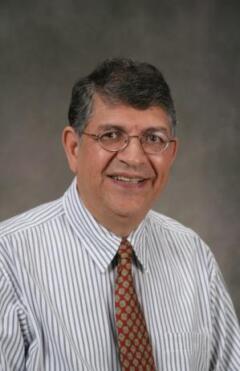
- Mr. Hafizullah (Hafiz) Wardak has received his B.S degree in Civil Engineering from the University of Hawaii and MS in Civil/Structure at Case Western Reserve University Cleveland Ohio. For the last 25 years he has been working with Boeing Company. Currently he serves as director of a full scale fatigue test for the Company’s new airplanes.
About our former Kabul University colleagues
It has been more than three decades that Afghan expatriates have lost connection with some of their relatives, friends, and former colleagues. It will be good news to know each other’s whereabouts, health condition, careers, and families. Some of those refugees are the former Faculty of Engineering of Kabul university staff members who are residing in different countries. The colleagues are interested to have contact with each other. The SAE eNewsletter have helped their readers to know about their colleagues who are residing within or outside Afghanistan.
One of that good news is that we learned about Professor Hafizullah Wardak’s whereabouts. He sent his application to join us as member of the Society of Afghan Engineers. He is the former professor of the Faculty of Engineering of Kabul University. The Editor-in-Chief asked him to send us information about his whereabouts and career since he has left Afghanistan. He is currently working with Boeing Company as the director of a full scale fatigue test for the Company’s new airplanes. The following is Mr. Wadak’s message.
To: THE SOCIETY OF AFGHAN ENGINEERS
From: Hafizullah (Hafiz) Wardak
Dear friends and colleague aslam alaikum,
It is indeed a great pleasure to extend my warmest salam and greetings to you. First I would like to thank our dear colleague from the Faculty of Engineering, Ustad Mujtaba Khan for his request that I share few words with you, and for sending me several previous issues of the Society of Afghan Engineers Newsletter.
I will begin my story with the Faculty of Engineering.
It was during the first year of late President Mohammad Daoud Khan presidency that I joined the Faculty of Engineering of Kabul University. I had just returned home from USA where I had completed undergraduate studies in Civil Engineering at the University of Hawaii, and MS in Civil/Structure at Case Western Reserve University Cleveland Ohio. I was very excited, full of energy and ready to serve my loving country.
With the communist coup in Kabul that followed by Russian invasion of Afghanistan I became part of the growing numbers of countryman scattering around the globe. As a refugee I landed in Boulder Colorado to start PhD program at the University of Colorado. Thanks to my former professor and advisor of Case Western Reserve University where I had completed master degree in Civil/Structural engineering under him, who sponsored me to come to Boulder Colorado. I was thinking at that time that I will be going back home soon perhaps at the completion of my PhD and was of the opinion the stay will be temporary as other two previous visits. My family was still back home in Kabul. I had admission for PhD program at the University of Colorado Boulder, unfortunately I arrived late and had passed deadline for late registration. I also had admission for PhD to Washington University in St Louis to work with Professor Mesmer but late registration for that school was also passed.
I accepted a job with a Geotechnical Company (Pile Dynamics and Bridge Analysis), good work and a step to something more interesting and challenging. Few months later moved to Chicago and worked for a major nuclear engineering consulting company (Sargent & Lundy) as a Structural Specialist Engineer. I was member of a special engineering group that was performing structural analysis and dynamic analysis of the nuclear power plants using finite elements and classical methods. It was outstanding engineering work where I learned a lot and took advantage of all the training. When I first became a student at the Faculty of Engineering Kabul University after graduating from Habibia High School, one of the things I wanted to learn was nuclear energy. I never thought that someday that wish will come true.
As I was studying undergraduate and graduate engineering I had another desire to learn about space launch vehicles, space exploration, and general aviation. After six years working on nuclear projects opportunity became available to move to United Technology Company (UTC) as senior structural analyst performing structural, and fracture mechanics analysis of the Space Transportation System Solid Rocket Booster (NASA program), using conventional and finite element methods. During that time another very interesting space program was just beginning. I joined the Boeing Company where I have been working since for the past 25 years. I worked as senior lead engineer and technical leader in the area of Fracture Control and structural analysis for the International Space Station (ISS) (a NASA program). At the completion of the ISS program I moved to the Commercial Airplane program at Boeing as technical leader in the area of structural analysis, fatigue and fracture mechanics (damage tolerance analysis). I worked on various new airplane programs (737, 767,777,747, Sonic Cruiser, and 787), and got promoted to “Boeing Technical Fellow”. Currently I am working as director of a full scale fatigue test for a new airplane.
At Boeing, in addition to my regular engineering responsibility, I developed and thought an off hour Structural Integrity Class that is principal of structural analysis, fatigue and fracture mechanics analysis (Damage Tolerance Analysis). Along this course I also taught Boeing Damage Tolerance methodology class. Both of these classes were taught at Boeing as off hour classes where several hundred engineers participated.
During the time working on nuclear power, Launch Vehicle, Space Crafts, and Airplanes I authored numerous white papers, and technical reports and methodology documents. When I was with UTC and Boeing I got enrolled for PhD program at the University of Alabama, Huntsville where I completed all the course work for PhD in Mechanical Engineering. This was time that my kids were in various levels of school and required more attention. At the same time I could not afford to take leave of absence for a year to become full time student that was required for completing PhD. Instead I selected continue working and more attention to my children. I was fortunate to have the opportunity during the past 30 years of work to take more than hundred continued education courses and internal company trainings in nuclear power, UTC, Boeing, University of California LA and few other institutions. With all this busy work and learning that always pleases more, it became evident that how less I know and how much more there is to learn.
Along busy working schedule, my wife and I raised 4 children (two daughters and two sons) and have six grandchildren. Most of that credit goes to my loving family (wife and the children) who have been source of great support, care and comfort to me during my life and moving with me as I moved from place to place and working long hours. My oldest daughter is Doctor of Pharmacy and the second daughter completed electrical engineering but is now helping her husband medical practice. Both daughters are married, and have six children. My two sons; one finished medical school and is now in the medical residency program. The younger son is a student at a Pharmacy school studying to obtain doctor of Pharmacy degree.
I attribute all my career and great technical opportunities to the wonderful period being member of the Faculty of Engineering at Kabul University. To the faculty members who were source of encouragement and support to me for more than six & half years where I reached the rank of Pohanmel. The hard working, intelligent and wonderful students of the Faculty of Engineering from whom I learned so much and they provided me a great love and joy for hard work, to share technical knowledge, and desire for greater learning. I thank all of them and wish them happiness and success in life. What a great time it was, just like a good dream that is being missed.
Membership Renewal 2013
The attached form includes application for the new members and membership renewal. The application forms may be viewed at SAE website. The members are requested to take a few minutes of their time to inform the Society by sending their updated contact information.
The completed application/renewal forms may be mailed to Mr. Jawad Ibrahim or Mr. Atiq Pnajshiri P.O. BOX 11097 Alexandria, Virginia 22312
Thanks to members who have updated their membership renewal and have paid their annual membership fee. Also, the treasurer has received donations checks from a few members. Thanks for their generosity. In October issue of the newsletter, the list of the members and their contribution amounts will be included.
Achievements and Awards
The newsletter will inform their readers of winners of awards or any other successes of Afghan professionals and students, especially, their Society members. You can help the SAE eNewsletter editors by providing the news of the achievements, award winners, promotions, and any other success stories. In this issue we inform members about Mr. Alozai’s promotion.
“Advise us of success stories or achievements of the Society members and any Afghan professionals and students.”
Congratulations to Mr. Mohammad Azim Alozai for his appointment as the Head of Afghanistan Building Code Development Department
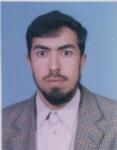
Mr. Mohammad Azim Alozai has been appointed by Afghan National Standard Authority as the Head of Afghanistan Building Code Development Department. He is a member of the Society of Afghan Engineers.
Mr. Alozai is born in Dehnow Alozaiee village of Logar, Afghanistan. He immigrated to Pakistan in 1978. Mr. Alozai received his high school degree from Omer Farooq High School and his BSc. degree in Civil Engineering from Islamic University of Afghanistan in 2000. Upon his graduation from University he worked in different engineering fields with National & International NGOs and Organizations.
Mr. Alozai received his MSc. degree in Structural Engineering from University of Engineering & Technology (UET) NWFP Peshawar, Pakistan in 2010. He started his work with Afghan National Standard Authority (ANSA) as Structural Code Officer for Afghanistan Building Code project. He has been appointed as Head of ABC Development Department of ANSA on March 21, 2013.
The Society of Afghan Engineers Organization
SAE Executive Committee Members:
- President: Ghulam Mujtaba
- Vice President: Atiq Panjshiri
- Treasurer: Jawad Ibrahim
- Secretary: Luis Durani
SAE Board of Directors:
- Chairman: M. Qasem Kadir
- Members: Yar M. Ebadi; Abdul Hamid (Farid) Kazi; Mohammad Saleh Keshawarz; Abdul Manan Khalid; Amanullah Mommandi; Mohammad Najib Poya; Abdul Saboor Rahim; and Mohammed Hashim Rayek
SAE Past Presidents:
- Malik Mortaza; Sohaila Sanie Shekib; Ahmad Wali Shairzay; Mohammed Hashim Rayek; Abdul Hadi Rakin; M. Qasem Kadir; and Abdul Hadi Rakin
Chairpersons SAE Committees/Subcommittees:
- Sohaila S. Shekib; M. Saber Sarwary; Samay Stanackzai; Ghulam Mujtaba; Nazeer Babakarkhial; Hasan Nouri; Najim Azadzoi; Atiq Panjshiri; Abdul Karim Yusufzai; A. S. Rahim
SAE Manager Membership Committee:
- Naim Shahab
- Email: naim.shahab@gmail.com
SAE eNewsletter Editorial Board:
- Editor-In-Chief: Ghulam Mujtaba, M.S, CE, P.E., CPM
- E-Mail: mujtabaghulam@bellsouth.net
- Editorial Board Members: A. Wahed Hassani, Ph.D., P.E. Email: awhassani@gmail.com; A. Manan Khalid, M.S., P.E., LEED AP E-Mail: manank10@gmail.com
SAE eNewsletter Regional Representatives:
- Mohammad Mirwais Email: mirwaisarchitect@gmail.com
- Daod Mohammad Email: dmohammad@suncor.com
Subscribe/Unsubscribe:
The subscription to the SAE eNewsletter is free. If you are not receiving the SAE eNewsletter directly and would like to subscribe, please send a note to: mujtabaghulam@bellsouth.net with the subject “Subscribe: SAE eNewsletter”. To unsubscribe, send a note with the subject “Unsubscribe: SAE eNewsletter”.
Disclaimer:
The author, reporter, or agency of each publication, project, news, and products is included in this newsletter. Additional contact information of the authors and their agencies are available with the Editorial Board of the newsletter and may be provided upon request. The Editorial Board of the Society of Afghan Engineers, Executive Committee, Board of Directors, or any of its members is not liable for the accuracy or contents of the information. The reports and information are included as provided by the authors and agencies without any changes in the substance of the documents. The information about the agency products or services is not the SAE endorsement.
The Society of Afghan Engineers
http://afghanengineers.org/donate
P.O. BOX 11097
Alexandria, Virginia 22312
Telephone: 703-407-2600
Email: info@afghanengineers.org