SAE Newsletter – 2015-04 – Volume 5, Issue 2
Introduces the newly appointed 2015-2017 Executive Committee and tackles pressing challenges surrounding the environmental protection and sustainable development of Kabul City.
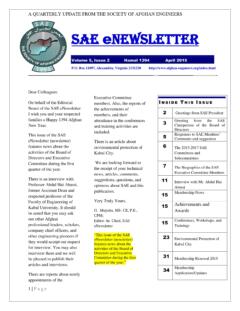
April 2015, Volume 5, Issue 2, Jadi 1394
Volume 5, Issue 2 Hamal 1394 April 2015 P.O. Box 11097, Alexandria, Virginia 2231220
Dear Colleagues:
On behalf of the Editorial Board of the SAE eNewsletter I wish you and your respected families a Happy 1394 Afghan New Year.
This issue of the SAE eNewsletter (newsletter) features news about the activities of the Board of Directors and Executive Committee during the first quarter of the year.
There is an interview with Professor Abdul Hai Abassi, former Assistant Dean and respected professor of the Faculty of Engineering of Kabul University. It should be noted that you may ask our other Afghan professional leaders, scholars, company chief officers, and other engineering pioneers if they would accept our request for interview. You may also interview them and we will be pleased to publish their articles and interviews.
There are reports about newly appointments of the Executive Committee members. Also, the reports of the achievements of members, and their attendance in the conferences and training activities are included.
There is an article about environmental protection of Kabul City.
We are looking forward to the receipt of your technical news, articles, comments, suggestions, questions, and opinions about SAE and this publication.
Very Truly Yours,
G. Mujtaba, MS- CE, P.E., CPM;
Editor-In-Chief, SAE eNewsletter
“This issue of the SAE eNewsletter (newsletter) features news about the activities of the Board of Directors and Executive Committee during the first quarter of the year.”
Inside This Issue
- 2 Greetings from SAE President
- 3 Greeting from the SAE Chairperson of the Board of Directors
- 5 Responses to SAE Members’ Comments and suggestion
- 6 The 2015-2017 SAE Committees and Subcommittees
- 7 The Biographies of the SAE Executive Committee Members
- 11 Interview with Mr. Abdul Hai Abassi
- 15 Membership News
- 15 Achievements and Awards
- 15 Conferences, Workshops, and Trainings
- 23 Environmental Protection of Kabul City
- 31 Membership Renewal 2015
- 34 Membership Application/Updates
Greetings From The SAE President

Dear SAE Colleagues: Happy New Year 1394!
I wish you all a happy, healthy, and prosperous new year.
As SAE’s new administration enters into the second quarter of its operation, I am happy to report that the first quarter, in cooperation with the new Board of Directors, has progressed on schedule. The following are the details of the achievements thus far:
Leadership: The Board of Directors (BD) acted quickly and unanimously approved the nominees for Vice President, Treasurer, Secretary, and Manager; as well as some of the volunteer candidates for various Committees/Subcommittee of the Society.
The Executive Committee (EC) at its first official meeting recommended changes to the Society’s bylaws as the last modified articles of the bylaws were enacted in 2010. The EC recommendation was forwarded to the Board of Directors after which the Board appointed three Directors for the review of the bylaws. Once the amendment is reviewed by the Board of Directors, it will be forwarded to the general membership for approval.
Budget: The EC also submitted its proposed annual budget 2015 to the Board of Directors for approval. After careful review and evaluation of each budget item, the Board unanimously approved the 1st year’s annual budget. The budget aside from its administrative line item expenses included small conferences, seminars, and training workshops for young engineering students.
Website: After careful consultation with our Information Technology professionals, we were able to secure a web designer at a reasonable cost. The new website is designed as CMS, enabling the SAE to maintain and make changes with minimum assistance. The Society will fully control the contents and appearance of the website.
As part of our efforts to redesign the website and update the list of SAE members, the EC reached out to all members to collect accurate contact information. It is critical that we maintain updated contact information for our members who are the foundation of the Society. If you have not done so already, please send us your updated contact information at SAEAFG1993@gmail.com or by mail to the Society’s mailbox 11097, Alexandria, VA 22312.
We are also working to host a networking session with other Afghan organizations in the Washington D.C. metropolitan area. The Society is working to enhance cooperation with other non-profit organizations to promote effectiveness and impact of our activities.
Cooperation in Afghanistan: As part of the Society’s mission to be actively involved in the development of our beloved country Afghanistan, we have reached out to our sister organization in Kabul to unify our efforts. The EC is in communication with, both, the Society of Afghan Architects and Engineers (SAAE) as well as the Association of Engineers and Architects (AEA). Recently the Society met with Eng. Arif Rasuli, President of AEA who was on an official visit to Washington D.C. The meeting was very productive. We shared our concerns and exchanged ideas with a promise for continued discussion. Both sides agreed to cooperate with each other for the benefit of Afghanistan.
Furthermore, the EC reached out to the office of Afghan President H.E. Dr. Ashraf Ghani for a video conference. The purpose of the video conference was to hear from President Ghani on the Afghan government’s priorities in the development and reconstruction activities of Afghanistan and then provide SAE’s perspective on how to effectively contribute to these priorities. Although the video conference was pre-arranged, President Ghani unfortunately had to cancel the video conference due to unexpected and urgent overseas travel at the last minute. We are hoping to meet with H.E. President Ghani at a later date.
For SAE to become fully integrated in different aspects of Afghanistan’s development, the Society will continue to rely on the expertise, knowledge and experience of its members. Once again, I call on all members to please update your information and let us know your areas of expertise. Additionally, please let us know if you are willing to get involved in the development of Afghanistan if opportunities become available.
I look forward to hearing from you and applying your thoughtful comments and ideas to improve the Society’s operation.
Thank you
Sincerely,
Atiqullah Panjshiri
President, Society of Afghan Engineers
Greetings From The SAE Chairperson Of The Board Of Directors
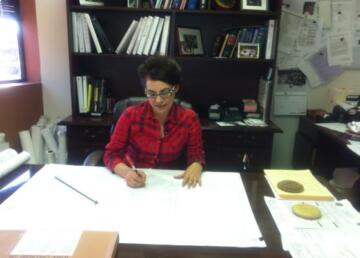
All Esteemed SAE Members:
I extend my greetings and wish you and your families a Happy 1394 New Year! May we celebrate good health, peace and prosperity for our people both here in the USA and in Afghanistan!
I begin by thanking members of the SAE Board of Directors for their input and continuous efforts to reach our milestones by advancement of SAE towards achieving our goals for the benefit of Afghanistan. So far, two (2) Board Member meetings were held: The 1st Board meeting was held on Tuesday, January 13, 2015 and the 2nd Board Members meeting was held on Tuesday, February 10, 2015. The upcoming Board Member meeting will be held on March 31st “Insha-Allah”. The following milestones were achieved:
New Executive Committee Members: Four SAE members were nominated by President to serve as Executive Committee members. The Board of Directors approved the nominees for their assigned positions.
The Annual Budget: The Executive Committee’s proposed annual SAE budget was presented to the Board of Directors for review. After discussions, the proposed budget was approved at the 2nd Board of Directors’ Meeting.
The SAE Website: The SAE website had been inactive for a while. Discussions were made to activate the website with added features and it is my hope it will be up and coming soon. The website is a critical tool in networking, communications, and outreach. It has the potential for enhanced cooperation and partnerships for SAE in future capacity building and reconstruction projects in Afghanistan.
Meeting with Afghanistan President: Efforts were made to hold a video conference with the President Ashraf Ghani to discuss engineering related priorities in Afghanistan as presented by the President and find out that how SAE can utilize the expertise of its members to contribute to the accomplishments of the planned priorities. It is our understanding that due to a last minute urgent overseas travel for the President, the meeting was cancelled but we remain hopeful and continue our outreach efforts to have a meeting with the President at a later date.
SAE Bylaws: The Board of Directors assigned the Bylaw Review Committee to review the current SAE bylaws and recommend necessary modifications. The Committee is currently reviewing each article of the bylaws and will submit their proposed changes for further review and approval process.
SAE Membership: Discussions were made regarding the membership categories and it was agreed the grouping of membership into categories would remove financial barriers and allow increased membership for SAE. This has not been finalized but I am confident that it will be decided very soon.
SAE project involvement: The SAE project improvement is still under discussion. In particular, the New Kabul’s proposed project and how SAE can participate and contribute under the requirements of the bylaws were briefly discussed. In my opinion, these kinds of activities by SAE will increase our visibility with the Afghanistan Government for our participation and contribution to the restructuring projects of our beloved country.
Finally, I want to add that teamwork is the key to our success. I want to take this opportunity to thank the Executive Committee, Members of the Board of Directors, and all SAE Members for their continued teamwork, efforts, and time.
Thank you.
Very truly yours,
Sohaila Shekib
Chairperson, SAE Board of Directors
Responses To SAE Members’ Comments And Suggestions
The editor has received the following comments from the SAE members:
Comments from Dr. Zarjan Baha by email on January 5, 2015:
Grana Mujtaba Khana: Us-salamu-alaikum
Thank you very much for completing and sending us the first issue of the SAE e-newsletter in the first week of the New Year 2015.
I wanted also to thank you for continuing to help publish the newsletter, which is a very significant contribution of the Society, to its members, and others that are interested in technical issues related to Afghanistan.
I hope the Society under the new leadership will move forward to achieve further and higher objectives of our association.
Have a great day,
Zarjon
Response to Dr. Zarjon Baha’s Comment on January 6, 2015:
Dear Mohtarama Dr. Sahib Walaikum Salam:
Thanks for email. It is a pleasure to be able to publish the SAE eNewsletter. I should also thank you for sending us your comments and suggestions regarding the developmental activities of the newsletter.
I am certain that the newly elected Society officers with the active contributions of the Society members will achieve the Society’s established goals and objectives.
Best regards,
Editor-In-Chief SAE eNewsletter
Comments from Mr. J. Almas:
Mr. J. Almas has emailed the following suggestions regarding posting of the copies of SAE eNewsletter on the SAE website.
Dear Ustad Mujtaba Khan,
Thank you for sending us the publications of the SAE eNewsletter, which is extraordinary. I hope that these SAE eNewsletters could be linked and accessible via SAE website. I found the contents of the eNewsletter very professional and informative.
I want to thank you and the SAE eNewsletter team for such an outstanding job.
Wishing you good health.
ALMAS
01/05/15
Response to Mr. J. Almas’ Comment:
The Editor has sent the following email to Mr. Almas’s suggestion:
Dear Almas Sahib Salam:
Thanks for review of the January issue of the newsletter. I am pleased that you found the contents of the newsletter informative and professional. The newsletter’s Editorial Team members, Dr. Hassani, and Khalid Sahib will also be glad to read your email. I have copied them in this response.
It is great suggestion that the website should include all copies of the newsletter. Currently there is an effort to develop the SAE website and upon its development, the past and future issues of the newsletter will be posted on the website.
Please contribute to the activities of the newsletter by sending us technical articles, suggestions, and comments for its further development.
Best regards,
Editor-In-Chief SAE eNewsletter
The 2015-2017 SAE Committees and Subcommittees
Mr. Atiq Panjshiri, the SAE President has nominated a few members as members of the Executive Committee and leaders of SAE eNewsletter Subcommittee. The Board of Directors has approved the appointments of the nominees during their meeting on January 13, 2015. The following is the list of the Executive Committee members and SAE eNewsletter Subcommittee:
Executive Committee Members
- Mr. Farid Abass, Vice President
- Mr. Ahmad Farid Haidari, Secretary
- Mr. Ashraf Roshan, Treasurer
- Dr. Gul Afghan Saleh, Manager
The Following Individuals have been re-approved as members of the SAE eNewsletter Subcommittee:
- Mr. Ghulam Mujtaba, Editor-in-Chief SAE eNewsletter
- Dr. A. Wahed Hassani, Editorial Board Member SAE eNewsletter
- Mr. A. Manan Khalid, Editorial Board Member SAE eNewsletter
In his email, Mr. Panjshiri, has congratulated the appointment/reappointment of the aforementioned members to their positions and has mentioned that the list of the leaders of other SAE Committee/Subcommittee nominees will be submitted to the Board of Directors for their review during the future meetings.
The Editor-in-Chief SAE eNewsletter has sent the following email on behalf of the newsletter editorial board to the newly appointed Executive Committee Members, President, and Board of Directors:
Dear Executive Committee Members:
Congratulations on your appointments as SAE Executive Committee members. I am certain that your leadership will have great effects in the Society’s developmental activities. Please accept our very best wishes for continued success in serving the Society of Afghan Engineers and people of our beloved Country.
I would like to take this opportunity to thank Panjshiri Sahib, Mohtarama Sohaila Jaan, and other Members of the Board of Directors for the reappointment of Dr. Sahib Hassani, Ustad Manan Khalid, and myself as Members of the Electronic Newsletter Subcommittee and Editorial Board Members of the SAE eNewsletter. We are very pleased to continue our services to our beloved country in this capacity.
Best regards,
Ghulam Mujtaba
The Biographies Of The SAE Executive Committee Members
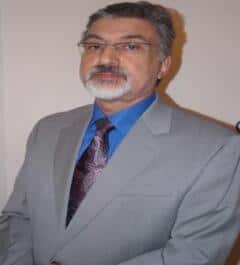
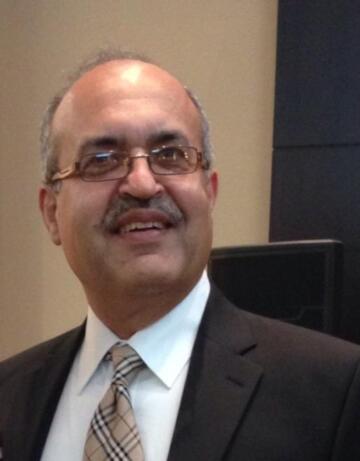
Farid S Abass, the SAE Vice President
Information & Communication Technology (ICT)
Specialist Freelance Consulting
E-mail: abass0898@earthlink.net
Cell Phone: (703) 593-4879
Mr. Abass was born and raised in Afghanistan, attended Elementary school in Mazar-e-Sharif, Middle school in Lashkar Gah/Kabul and High school in Kandahar/Kabul, graduated from Habibia High school, Kabul. He continued his education at the University of London, United Kingdom and graduated with Bachelor of Science and Engineering from Queen Mary College University of London.
Mr. Abass migrated and resettled in the United States in 1982, after the Russian invasion of Afghanistan.
Mr. Abass started his professional career, in the United States, in Electronics and Information Technology 30 years ago, and he has successfully been providing Information and Communications Technology (ICT) solutions and support to private and public clients.
In 2012, Mr. Abass deployed to Kabul Afghanistan as a Senior Telecom Advisor to International Security Assistance Forces (ISAF) Telecommunication Advisory Team (TAT), in this role he supported and advised ISAF with ICT development matters, regularly met with H. E. Minister Sangin of Ministry of Information and Communication Technology (MCIT), MCIT Deputy Ministers and Project Management Office (PMO). He hosted US Embassy’s Telecom Working Group (TWG) monthly meetings, bringing all ICT stakeholders, ISAF, US Embassy, USAID, World Bank, Afghan Network Operators, Afghan Government’s Chief Information Officers (CIO), Internet Service Providers (ISPs) and System developers together to exchange information and update the group with activity/status. Upon his return from deployment, he engaged with US Department of Commerce International Trade Administration (US DOC ITA), in developing training materials and workshops for assisting the Afghan counterparts, in drafting a comprehensive Afghan National Cyber Security Strategy.
Mr. Abass continues his assistance to ICT sector developers in Afghanistan, hoping that Technology and Automation will bring more efficiency and transparency to government and public sector institutions.
Mr. Ahmad Farid Haidari, the SAE Secretary
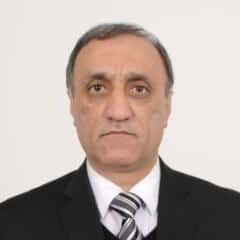
Mr. Ahmad Farid Haidari is an Electrical Engineer with 26 years of experience in different capacities of Government and Nongovernmental Organizations. He is mostly involved in project management, administration development and other related work of various organizations. Mr. Haidari is proficient in power supply of industrial enterprises. However, he is currently working as a diplomat in one of the Afghan Foreign Mission.
Work Experience:
- July, 1989 – Oct, 1993: Assistant Director, Monitoring and Evaluation Department of Volunteers in Technical Assistance (ViTA/USAID), Pakistan.
- Nov, 1993 – July, 1995: Technical and Economic Advisor, Gulzar (Pvt) Company, Afghanistan.
- Aug, 1995 – Oct, 1996: Director of Preservation and Restoration of Historical Monuments, Ministry of Information and Culture, Afghanistan.
- Dec, 1996 – Jan, 1998, Member of Executive Committee, Association for Preservation of Historical and Cultural Heritage of Afghanistan (APHCHA), Pakistan.
- Feb, 1998 – Dec, 2000, Field Officer of Skill Training Program, Ockenden International (OI/UK) Pakistan.
- Jan, 2001 – May, 2001, Part Time Advisor, Society for the Preservation of Afghanistan’s Cultural Heritage (SPACH), Pakistan.
- May, 2001 – Oct, 2001, Field Manager, Environment Protection and Promotion Program (EPPP), Pakistan.
- Oct, 2001 – Dec, 2001, Assistant Monitoring and Evaluation Officer, Agency for Rehabilitation and Energy conservation in Afghanistan (AREA), Pakistan.
- Dec, 2001 – April, 2002, Chief Coordinator, Action Transport Logistic Assistance Service (ATLAS LOGISTIQUE), Afghanistan.
- May, 2002 – Aug, 2005, Director of Planning and Foreign Relation Department, Ministry of Information and Culture, Afghanistan.
- Aug, 2005 – March, 2011, Cultural Attaché, Embassy of the Islamic Republic of Afghanistan, Islamabad.
- March, 2011- Now, Cultural Attaché, Embassy of the Islamic Republic of Afghanistan, Washington D.C.
Mr. M. Ashraf Roshan AIA, the SAE Treasurer
1563 Postal Road, Suite 2A Tel. (410) 604-2814
P. O. Box 341 Fax (410) 604-2816
Chester, Maryland 21619 Cell (443) 822-6171 aroshan@ararchgroup.com
maroshan@aol.com
M. Ashraf Roshan, a member of American Institute of Architects (AIA) is a registered and licensed professional architect in the State of Maryland. He is the president and founder of an architectural consulting firm, AR Architectural Group, LLC, ararchgroup.com Annapolis, Maryland, USA. He is responsible for the marketing, management, and supervision of his firm. His unique style and approach have led to the firm’s success for about two decades he has maintained exceptional client relationships and won many awards for its superb designs and creativities.
Mr. Roshan has also managed the construction of various projects in the US and also inside Afghanistan during his over 30 years of experience with the industry. Recently he managed successfully the construction and implementation of complicated projects for the US government, including State Department and US Army Corp of Engineers in Afghanistan 2010-13.
Mr. Roshan started his professional career in the US as an intern architect and construction coordinator at a construction company in Dallas, Texas in 1983. Then he served as a project manager at various architectural firms and construction companies prior to starting his own venture. Mr. Roshan is graduated with a Bachelor degree in Architecture in January 1981 from the School of Engineering at Kabul University. Due to the Soviet invasion of Afghanistan, Mr. Roshan was forced to leave Afghanistan in February 1981 and immigrated to the United States on January 1983.
Respectfully submitted,
Dr. Gul Afghan Saleh, the SAE Manager
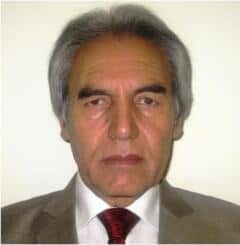
Dr. Gul Afghan Saleh is a civil engineer with a Ph.D. in Urban Planning and Design and more than 30 years of professional experience. He is Business Development Advisor with Sheladia Associates Inc. For the last 21 years he has developed/managed donor-funded projects in Afghanistan, including for USAID as a Direct Hire employee for eleven years; the United Nations World Food Program and the United Nations Office on Drugs and Crime for five years, and for the Pamir Reconstruction Bureau, an Afghan NGO, for five years. Additionally, for the Afghan Government he served as a project manager, design and construction engineer for 10 years.
Dr. Saleh is a certified Project Management Professional (PMP) with substantial international development experience in analyzing, designing, and managing all aspects of sustainable development projects, including technical assistance and capacity building, institutional development and change. Dr. Saleh has worked and/or studied in 10 countries, including Afghanistan, USA, Pakistan, Japan, Egypt, UAE, Thailand, India, South Africa, and Germany.
During his 11 years work with USAID/Afghanistan (2003–2014) Dr. Saleh served as Contracting Officer’s Representative (COR) for one or more major infrastructure projects with funding levels ranging from $50M to $300M. He provided a full range of analytical, technical and management services on large, complex programs in the energy and water sectors, including advice, coordination, monitoring, information gathering, analysis, design, and evaluation of USAID-funded infrastructure projects in Afghanistan.
Dr. Saleh is a member of the American Society of Civil Engineers (ASCE) as well as a founding and Board Member of Afghanistan Engineers’ Association (AEA). He joined the UNITAR’s Hiroshima Fellowship for Afghanistan Program as a Fellow in 2007, became a Coach in 2008, promoted as Afghan Resource Person in 2011, and became a Mentor in 2013. He volunteered to continue supporting the program as an UN-certified trainer and mentor up to present.
Interview with Mr. Abdul Hai Abassi (Former Professor and Associate Dean at the Faculty of Engineering, Kabul University)
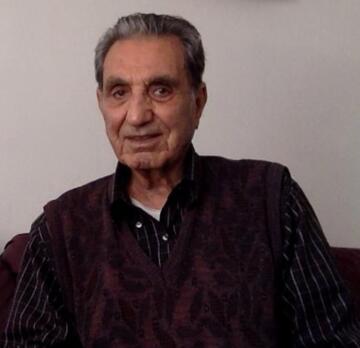
By: Abdul Wahed Hassani, Ph.D., P.E., M. ASCE
Mr. Abassi has had an outstanding career. Based on his outstanding background and successful career, he was appointed to high level managerial positions in the Government of Afghanistan, such as Director of Technical Department of Helmand Construction Company, President of Planning, Ministry of Water and Power, and President of Irrigation Projects, Ministry of Agriculture.
Professor Abassi served in various academic positions in Afghanistan and Pakistan including, Professor of Mechanical Engineering, Professor and Head Department of Mechanical Engineering, Associate Dean of the Faculty of Engineering, Kabul University and Professor of Mechanical Engineering, Dawa and Jehad University, Peshawar, Pakistan. He has written numerous professional technical reports and published various research papers in Afghanistan.
Mr. Abassi received his Post Graduate Diploma in Mechanical Engineering from Steven Institute of Technology, Hoboken, New Jersey, B.S. degree in Mechanical Engineering from University of Wyoming, M. S. degree in Mechanical Engineering from University of Illinois, Champaign Urban and attended the Economic Development Institute of the International Bank for Reconstruction and Development, World Bank, Washington D. C.
The author has known Professor Abassi since 1970, first as a student and later as his colleague at the Faculty of Engineering, Kabul University and at the Engineering programs of International Rescue Committee (IRC) in Peshawar, Pakistan. Professor Abassi is known for his dedication and love for his countrymen and honesty and professionalism in his duty. Professor Abassi is Ustad of many graduates of the Faculty of Engineering, Kabul University. Therefore, for this issue of the newsletter, the author requested an interview with Professor Abassi, which he gracefully accepted. His Kabul University, Dawa and Jehad University and International Rescue Committee (IRC) Engineering students and colleagues will be very pleased to read his interview. Professor Abassi is currently living in LaMesa, California. I would like to thank Professor Abassi for accepting the invitation to have the interview for the publication of the SAE e-Newsletter.
The following are the interview questions/discussions (Q) and Professor Abassi’s responses (R):
Q: It is a pleasure to get the opportunity to interview a friend, and a professor of Faculty of Engineering, Kabul University. Please briefly tell us about yourself, your children, your schooling, hobbies and current activities.
R: I am 82 years old; I have 8 sons, 5 daughters and twenty seven grandchildren.
Education: Post graduate work in the area of thermodynamics and fluid mechanics and minor in mechanics and structures, (total of 55 units of graduate courses) 1964-1966.
MS: In mechanical engineering industrial and minor in strength of material and mechanics from university of Illinois, Champaign Urbana in 1961.
BS: In mechanical engineering and a certificate equivalent to BS in mathematics from the university of Wyoming at Laramie in 1955.
Certificate: Attended the economic development Institute of the International Bank for reconstruction and development, World Bank Washington D.C. Sept-Oct. 1973. The purpose of the program was to improve the skills of the participant in planning and management of large projects. Hobbies are reading religious, herbal medicine, some physics and computer related books.
Q: Please tell us about the Faculty of Engineering’s brief history and in which year did you start teaching?
R: Faculty of Engineering and Agriculture were established under the administration of one dean in 1957. I was instructor and head of the mechanical department at Afghan Institute of Technology (A.I.T) at that time. In 1958, I joined the Faculty of Engineering as a counterpart of the American Professor.
Q: Do you have contact with any of your AIT or Faculty of Engineering classmates and colleagues?
R: I am in contact with Prof. Bahrami, Prof. Ahmadyar, Prof. Dr. Nasir and Prof. Dr. Soorgul Wardak and many of the students in the Bay Area.
Q: Please tell us that in how many institutes and where you have worked in Afghanistan and abroad?
R: I started my working career in AIT in August of 1955, joined Faculty of Engineering in 1958. Appointed as President of the Minor Irrigation Department of Ministry of Agriculture and Irrigation from 1970-74. Appointed as President of Planning Ministry of Water and Power from 1977-june 1978. Worked in Helmond Construction Corporation from 1978-1980. Joined as Professor of International Rescue Committee Engineering school for 6 months in Peshawar Pakistan. Appointed as Professor and Assistant Dean of Dawa and Jehad University for Afghan Refugee in Peshawar Pakistan 1990-1993.
Q: When you were at Kabul University, what types of positions did you hold?
R: More than 80% of my working career was in the Faculty of Engineering of Kabul University. I worked as professor, assistant dean, and head of the department of mechanical engineering.
Q: What were the areas of your teaching and research work?
R: I have a broad base education in engineering and mathematics, I taught drawing, thermodynamics, heat transfer, strength of material, dynamics, statics, fluid mechanics, machine design, calculus, differential equation, physics, and metallurgy.
Q: How do you describe your teaching career and how did your students think of you as a teacher?
R: I enjoyed teaching more than anything in my career, because you transfer what you have learned to the future generation of professionals in our beloved country and, in the same time you learn more by teaching every day. I was always well prepared for teaching and never shy away from university student’s questions. I consider my students as friends and welcomed them to my office for answering their questions.
Q: Besides Afghanistan, have you taught in the engineering colleges of other countries? How do you compare those schools with the Faculty of Engineering?
R: I was involved in the Engineering Programs for the Afghan Refuge in Peshawar, Pakistan. Those programs were generally following the same curriculum as of the Faculty of Engineering, Kabul University. Majority of the Professors were from the Faculty of Engineering, Kabul University.
Q: You have an impressive resume, what was the key to your educational success and professional accomplishments?
R: I am a curious person. I studied many subjects of engineering and sciences especially in mechanical and civil engineering. I had courses in elasticity, plates and shells, fluid mechanics, complex variable and even computer element course. The above background gives strength to tackle problems professionally.
Q: You were involved in educational programs of Afghan Refugees in Peshawar, Pakistan. Can you tell us of your level of involvement and the effectiveness of those programs?
R: I was involved in the preparation of curriculum and teaching at the Faculty of Engineering of Dawa and Jehad University and for 6 months taught at the Engineering program of IRC. Those were useful programs and used the same curriculum of the Faculty of Engineering, Kabul University.
Q: How many times have you returned to Afghanistan and how do you describe your personal experience and observations of Afghanistan?
R: I went to Afghanistan in July- august of 2011 for 26 days. I talked with a few concerned people there. The government was not in a position to make independent plans and what was done there was mainly temporary construction of infrastructures. It appears that generally quality has not been considered in the construction activities of the projects. This will result in increased maintenance cost and lower service life of the structures. The Afghans were in subservient positions, the major projects were not functional, even the gas of Sheberghan was not revived.
Q: Please tell us about your experience of irrigation projects for rural development in various regions of Afghanistan.
R: When I was president of minor irrigation department, I was involved in the following projects:
- Kelagai irrigation canal and diversion dam to irrigate about 5,000 jeribs of land
- Shahrawan diversion dam and canal maintenance for 300,000 jeribs in Imam sahib
- Irrigation canal on Kokcha-river in Faizabad for 4000 jeribs
- Ghourband irrigation canal and a small hydroelectric plant
- Preliminary planning, building headquarters of Kokcha dam and irrigation canal for Dasht-e-Qala, Khoja-Ghar
- Kohistan irrigation canal for 4000 jeribs
- The pumping station of 100 cm/sec for Dasht-e- Alwan on Amu River
- Kunduz-Khanabad irrigation Project
Q: Are there specific water and power projects that you recommend to be implemented for the rural development of Afghanistan?
R: Underground water management planning was developed. Dripping irrigation projects were developed and recommended at the regions where surface water shortage was the major problem.
Q: During the time that you were the president of planning in the ministry of water and power. What were the major hydro power plant projects that were recommended for construction?
R: Following were the major active projects that I was involved:
- Kunar hydropower generation storage dam, Konar province.
- Kelagai storage dame and Hydro Power generation, Baghlan Province.
- Salma dam construction, Herat province.
- Kamal khan dam, Nimroz Province
- Increasing the storage capacity of Kajakai dam, Helmand province.
I worked in the Ministry of Water and Power as President of Planning for 7 months, unfortunately after Saur coup d’état, which ousted the government of President Mohammad Daud Khan on April 30, 1978 the progress of the majority of the previously planned construction projects were discontinued and all hopes and dreams of the people were unfulfilled.
Q: How was the role of Helmand Construction Company in the construction of development projects in Afghanistan?
R: The Helmand construction company was a good start for the construction of power and irrigation projects but, we need many of such companies for reconstruction and development of Afghanistan. We need to revive the Quwa-i-kar (labor force) for our immediate needs of roads and infrastructure construction and Khana Sazi factory for housing development; we should create capabilities in many areas to stand on our feet.
Q: What type of advice you offer for Afghan professionals living outside of their country who want to serve their motherland without leaving their current jobs and families?
R: They should be involved, directly or indirectly in the projects for infrastructure development and reconstruction of Afghanistan, but not only for personal gains.
Q: Do you have any further comments or anything that I should have asked you, but, I didn’t, and you’d really like to talk about in an interview that is going to be read by a group of Afghan professional, academicians, and practitioners?
R: I really appreciate remembering me as a friend, as colleague and your impression of my past works.
Q: Thank you for taking the time to share your thoughts and experience with the readers of the newsletter. I congratulate you for your outstanding accomplishments and your lifetime of experience and success.
R: Thanks
Membership News
In this section, generally, the news about new membership, achievements and awards, promotions, retirement and loss of the Society members will be provided.
Achievements and Awards
The newsletter will inform their readers of winners of awards or any other successes of Afghan professionals and students, especially, their Society members. You can help the SAE eNewsletter editors by providing the news of the achievements, award winners, promotions, and any other success stories.
“Advise us of success stories or achievements of the Society members and any Afghan community professionals and students.”
Luis Durani’s Educational Accomplishments
Congratulations to Mr. Luis Durani, the former SAE Secretary, for his scholastic accomplishments.
Mr. Durani is currently working on finishing up his MA in International relations. He will take his last class this summer and meanwhile work on his thesis. He is aiming to defend his thesis by the end of this year. At this point he is planning to focus his thesis on China and the South China Sea. This will be his third masters in addition to his MS in Nuclear Engineering and MBA. He is also in the first year of transitioning, working with the oil and gas industry after 6 years as a nuclear engineer in that industry.
The editorial board members of the SAE eNewsletter are wishing Mr. Durani continued success.
Conferences, Workshops, and Trainings
Biodiversity Conservation: A Path to a Healthy Afghanistan
Conference Report: Paris, France January 23-24 2015
Dr. M. Nadir Sidiqi has attended the World Academy of Science Engineering & Technology (WASET) Conference as a Session Chair as well as a presenter in Paris, France January, 23-24 2015. The newsletter Editor asked him to provide the highlights of his presentation for information of the readers of the SAE eNewsletter. He graciously accepted the request and has provided the following highlights of his presentation.
By: Dr. M. Nadir Sidiqi
The outline of my presentation consisted of the following issues:
- What is biodiversity and why is it important?
- Types of biodiversity
- Biodiversity Conservation and a Challenging Future (Afghanistan)
- How does Agriculture Benefit Afghanistan Biodiversity?
- Good News for Biodiversity Conservation
- Bad News for Biodiversity Conservation
- Conclusion
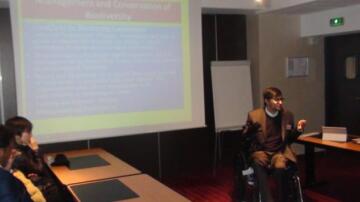
Dr. Sidiqi, on wheelchair, during his presentation in Paris
It is very important to understand that the value of biodiversity is beyond the scope of this presentation.
- What is biodiversity and why is it important? In simple terms, biodiversity refers to the variability among life forms on earth, including genes, species and ecosystems (article2, Convention on Biological Diversity 1992)
- Basically, there are three types of biodiversity: Species diversity, Genetic diversity & Ecosystem diversity.
- Species diversity: Species are the basic unit of taxonomic classification within the kingdom of animals or plants.
- Genetic diversity: Genetics is the scientific study of genes and heredity. Genes are the fundamental physical unit of heredity.
- Ecosystem diversity: Individuals that interact and interbreed locally, and groups of individuals of the same species that form populations.
Issues to prioritize in respect to economic improvement in Afghanistan
- How will biodiversity conservation and improvement increase GDP growth?
- How will biodiversity conservation and improvement increase food security?
- How will biodiversity conservation and improvement decline and eliminate the opium production over time?
- How will biodiversity conservation and improvement increase export revenue?
- How will biodiversity conservation and improvement progress in the mining sector?
Three important values of biodiversity:
- Economic value
- Heritage value
- Aesthetic and Spiritual value
Economic value: Biodiversity provides goods and services to the Afghan nation directly through links and components such as:
- Traditional crops, medicine, fruits, animals, sea food, grazing, fuel, timber, fishing and other related food and life supplies.
- An ecosystem, biodiversity includes such benefits as soil fertility, erosion control, crop pollination, crop rotation, and pest control.
Heritage value: According to The World Resources Institute, biodiversity has been termed “the wealth of the poor.” This wealth of genetic diversity provides backup to rural people living close together who depend on biodiversity practices such as productive crop, grazing land, as well as the collection of fuel, building materials and wild fish and related supplies.
- For example, wheat, the common bread (Triticum aestivum), was first cultivated almost 5000 years ago in the territory of contemporary Afghanistan. Experts believe that Afghanistan harbors more native varieties of wheat than anywhere else in the world. In the 1920s, the Russian plant geneticist Nikolai Ivanovich Vavilov collected samples from 110 landraces of wheat from Afghanistan. The Vavilov Institute in Moscow currently records 1,721 varieties of wheat from Afghanistan. (As reported in the Biodiversity Profile of Afghanistan UNEP, 2008)
Aesthetic & Spiritual value:
- Afghanistan has three types of forests: First, a mixed forest of conifers at higher elevations, with oaks at lower elevations in the provinces of Nuristan, Kunar, Nangarhar (Eastern side), Paktika and Paktya in the country.
- Second, pistachio forests in the north.
- Third, irrigated agro-forests and home gardens in the country where irrigated land and water is available.
- Noble human with his gift of wisdom is designed to enjoy the beauty of nature and be thankful to Almighty God with responsibilities to maintain for healthy ecosystems.

Proposed Protected Areas of Afghanistan Source: Biodiversity Profile of Afghanistan (UNEP, 2008)
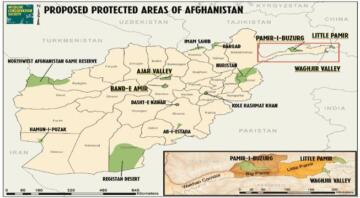
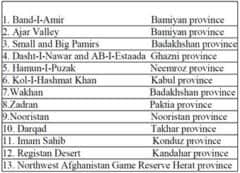
Biodiversity Conservation and a Challenging Future:
How does Agriculture Benefit Afghanistan’s Biodiversity?
- Rescue of Ecosystem Services
- Motivation
- Sustainable Knowledge: For instance,
- A Year –around Integrated Pest Management (IPM) program
- To save plants and their germplasm (seeds) in a seed bank
- To produce food crops adaptable to drought and heat
- To produce and increase crop durability and resistance against pathogens (disease causal agents) and insects
- To produce crops that grow well in limited resources farming
- To educate the public about biotechnology (Genetically modified crop)
- To develop sustainable biofuel feedstock cropping systems that cannot harm the environment.
Some valuable wild plant and animal species are in an endangered status if the situation is not address soon:
- Plants include: Deodar cedar (Cedrus deodara), Pistachio (Pistacia vera), Chilghoza pine (Pinus gerardiana), Licorice (Glycyrrhiza glabra) Asafoetida (Ferula asafoedtida), Caraway (Carum carvi) and common Yew (Taxus baccata).





Sources: www.plantsandtreesonline.co.uk, www.agrowebcee.net, www.scionresearch.com, http://www.spicesmedicinalherbs.com,
www. raheb.biz /licorice.html www.spicesmedicinalherbs.com
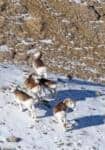



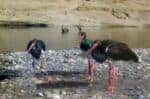
Sources: Biodiversity Profile of Afghanistan (pict 1,3,5)
http://bigcatrescue.org/a-forbidding-kingdom-of-snow-leopards/
www.kehkistan.com
- It is urgent to address this issue, to prevent loss of these wild plant and animal genetic resources in the near future.
Management and Conservation of Biodiversity
- Afghan nation’s biodiversity is not an issue that can be implemented overnight and these tasks require a collaborative plan of action by the Afghan government and the public.
- Let me shed some light in two scenarios in respect to biodiversity conservation:
- Laws and Regulations: Strategy development and plan of action to enforce the laws and regulations is crucial importance to preserve biodiversity
- Protected Areas: As already legally recognized, but it is necessary to be protected from human loss activities as well as environmental disasters.
- Survey and Monitoring: It is before determined that loss of biodiversity is associated with many reasons. This requires continuous survey measurement with understanding in technological tools.
- Training and Capacity Building: A series of short course, workshops, practical field training and mentorship provides the opportunity to educate both the Afghan agriculturists and the public.
- Management and Coordination: A close working relationship and trusted environment needs to exist among the National Environmental Protection Agency (NEPA), the Forests and Rangeland Department of the Ministry of Agriculture as well as NGOs who are involved in biodiversity project.
Bad News for Biodiversity Conservation:
- Laws and Regulations: Caring about the implementation preservation and conservation biodiversity is very limited unfortunately due to more than three decades of war.
- Unfortunately, enforcement laws and regulations pertaining to biodiversity are grand challenging.
- Protected Areas: Very little attention to the legally recognized protected areas and continued losses of this inheritance treasury.
- Survey and Monitoring: Lack of security has made it difficult to collect and evaluate data.
- Training and Capacity Building: Limited technology and outreach to the public exists in respect to value of biodiversity, lack of professional training.
- Management and Coordination: Unfortunately, lack of management and coordination will likely cause additional losses to the country’s biodiversity.
Conclusion
- There are tremendous opportunities in the natural resources of Afghanistan as well as in the brilliant minds of Afghan professionals, especially plant products that may be utilized as herbal medicine, as well as natural pesticides to help against human diseases, plant diseases, insects, weeds, and animals.
- In addition, it is crucially important to acknowledge and appreciate that the Afghan forefathers sowed the seeds and now it’s their children’s responsibility to take care of this beautiful garden (Afghanistan) as a precious gift to the upcoming generations.
- As a result this will maximize the healthy food production, economic improvement and minimize risks to the public and environment from environmental harmful living and nonliving things in the fields during growing, harvesting, transporting, processing, storing, marketing and consuming locally and globally.
References
[1] Food and Agriculture Organization, (www.fao.org).
[2] Beyond the Pesticides Daily News Blog (www.beyondpesticides.org).
[3] United Nations Environmental Program, (http://unep.org/delc/PDF/publicationconnectingdots.pdf).
[4] United Nations Environmental Program, (http://unep.org/delc/PDF/publicationconnectingdots.pdf).
[5] Christopher C. Shank: A Biodiversity Profile of Afghanistan in 2006.
[6] United Nations Environment Programme, Afghanistan’s Environ-ment (2008), (http://postconflict.unep.ch/publications/afgsoeE.pdf) and (http://reliefweb.int/sites/reliefweb.int/files/resources/37FB695F399DC788C1257582004CA11E- Full_Report.pdf).
[7] Summarized Sahih Al-Bukhari, Arabic-English, Translated by Dr. Muhammad Muhsin Khan (1994), p.505.
[8] Jennifer Freeman: “Science 101 Ecology” (2007).
[9] United Nations Population Division. World Urbanization Prospects: The 2003 Revision Population Database. http://esa.un.org/unup/p2k0data.asp. Accessed April, (2006).
[10] Country Profile Afghanistan: http://www.immi.gov.au/media/statistics/country- profiles/pdf/afghanistan.pdf
[11] Afghanistan Relief Organization: http://www.afghanrelief.org/about-afghanistan/afghanistan-facts
[12] United Nations Environment Programme, Biodiversity Profile of Afghanistan: (2008), (http://www.unep.org/dgef/Portals/43/publications/afgbiodivncsadocument.pdf).
[13] Gail L. Schumann and Cleora J. D’rcy: “Essential Plant Patholo-gy” (2006).
[14] “Phytopthora,” (http://www.metapathogen.com/phytophthora/).
[15] Food and Agriculture Organization: United Nations (2008).
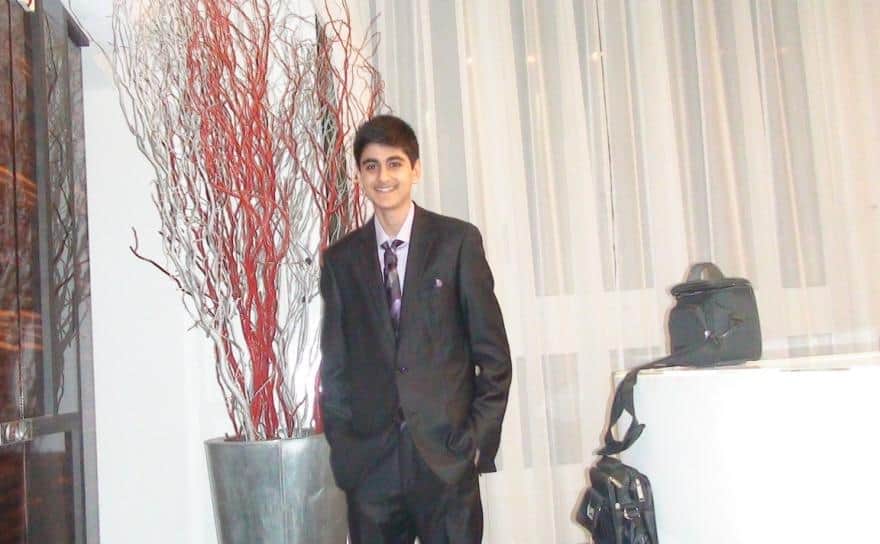
Thanks to Hamza Sidiqi (9th grade student) who accompanied and assisted his father during the trip to Paris and during conference.
NPCA 2015 Precast Show-Orlando, Florida
Mr. Ghulam Mujtaba, State of Florida, Field Operations Concrete Engineer was invited to teach National Precast Concrete Association (NPCA) “Working with Your DOT” course at the Precast Show Education (Precast University) in Orlando, Florida on March 7, 2015. The course instructors were:
Mr. Darin Cary and Mr. Mike Dooley, Wilber Precast Inc.
Mr. Ghulam Mujtaba, Florida Department of Transportation
The NPCA Precast University provides precast concrete plant personnel with in-depth learning opportunities taught by industry experts. This short training course was one of the courses that were offered during the 2015 NPCA precast show. The course provided the precast concrete plants’ best quality practices and highlights of the Florida Department of Transportation (FDOT) quality control/quality assurance requirements related to manufacturing, storage, and delivery of the precast concrete products to the project sites.
Mr. Mujtaba provided the trainees a 23-page course notes and power point presentation handouts. The following were the highlight of his instructions:
- The strength and durability of infrastructures depend on the delivery of quality design, selection of quality materials and products, quality construction, and proper maintenance. It is necessary to ensure that quality is considered during manufacturing of the products. The quality assurance requires proper planning for manufacturing, inspection, testing, and documentations stages of the process.
- The availability of quality management program related to the manufacturing of the precast concrete products at the manufacturing facilities is essential. This type of program will prevent or minimize future failures, deficiencies, or higher maintenance costs.
- The construction of the infrastructure is performed by either cast- in- place, precast, or a combination of both. There are many elements of roadways, bridges, and other infrastructure that can be manufactured at the fabrication facilities and then transported and erected at the job site. This process will accelerate the construction of infrastructures and may achieve better quality products. It reduces worker exposure to traffic during construction of bridges and roadways. The examples of these products include: concrete piles, beams, slabs, sound barrier walls, concrete poles, temporary traffic barriers, light pole foundations, pull and junction boxes, sign foundations, pipe, inlets, manholes, and culverts. The utilization of these components reduces the disruption to traffic by minimizing the duration of construction.
- The manufacturing of the precast concrete products requires the availability of quality planning, design, specifications, materials, testing laboratories, qualified producers, and quality control/quality assurance personnel, delivery equipment, proper erection means and methods, and qualified contractors.
At the last part of his presentation, Mr. Mujtaba described the Florida Department of Transportation’s quality control/quality assurance inspection and testing programs related to the manufacturing process of the precast concrete products.
Environmental Protection of Kabul City
By: Ghulam Mujtaba, PE, MSCE, CPM
Introduction
This article provides suggested ideas related to the protection of Kabul City and other cities of Afghanistan from potential pollutants. In this regard a few recommendations are depicted about development of the regulations and their enforcements in the areas of air pollution control, surface and ground water pollution control, sewage and solid waste disposal, landfills, and clean water.
Air pollution control
The development of laws and regulations related to the control of the certain air pollutants in Kabul City is needed. The rules and regulations will give the government the authority to limit emissions of commonly found air pollutants coming from sources like industrial plants, concrete manufacturing plants, utilities, kilns, cars, trucks, and other non-road equipment. There should be air pollution control related permits and enforcement of the permits for industrial plants. This requires joint efforts of the public and government to reduce the air pollutions.
Concerns about air pollution
It is essential to have air to live. It is possible to live days without food and hours without water, but only a few minutes without air. The breathing of polluted air can make the human being sick.
Air pollution can damage trees, crops, other plants, lakes, and animals. In addition to damaging the natural environment, air pollution also damages buildings and monuments. The air pollution in the city will reduce the visibility distance and even interferes with aviation.
It is essential that the Afghan environmental protection agencies develop regulations regarding air control process and their enforcements. The governmental agencies, industries, and people should work together to establish a variety of programs to reduce air pollution levels across Afghanistan, especially Kabul City.
Air pollution and Human Health
Breathing polluted air can cause the eyes and nose burn. It can irritate throat and make breathing difficult. The tiny airborne particles and ground level ozone can trigger respiratory problems, especially for people with asthma. Asthma sufferers can be severely affected by air pollution. Air pollution can also aggravate health problems for the elderly and others with heart or respiratory diseases.
The health experts have documented that toxic chemicals released in the air such as benzene or vinyl chloride may cause cancer, birth defects, long term injury to the lungs, as well as brain and nerve damage. The changes in the environment may increase skin cancers and cataracts (eye damage).
Air Pollution and the Environment
Air pollution also damages the environment. Toxic air pollutants and the chemicals that form acid rain and ground-level ozone can damage trees, crops, wildlife, lakes and other bodies of water. Those pollutants can also harm fish and other aquatic life. Many pollution sources, including cars, manufacturing and chemical plants, and open channel sewage flow release smog-forming pollutants. Winds blow the pollutants away from their sources and the heat of the summer sun causes chemical reactions that form ground level ozone, which is a principal component of smog.
The high-altitude ozone protects human health and the environment. In the upper atmosphere (stratosphere) ozone will form a protective layer that shields the earth from some of the sun’s ultraviolet (UV) light. The exposure to some forms of UV light may relate to cataracts (eye damage), skin cancer, and plant damage. The ground-level ozone is considered to be harmful. It can cause serious health problems and damage to forests and crops. Ground-level ozone affects the respiratory system, aggravating asthma and causing lung inflammation. The release of smog-forming pollutants will pollute the air of locations that are located many kilometers away from where the pollutants are released.
Air Pollution and the Economy
The air pollution impacts the health, environmental, and economics of the country by causing illnesses and leading to lost days at work and school. It is expected that the increase in air pollution may reduce agricultural crop and forests each year. The reduction in air pollution will bring improvements in human health and the environment. Therefore, it is necessary to implement cost-effective approaches to reduce air pollution. The government should involve the public and industries through educational programs and opportunities to comment on the development of air control plans.
Particle Pollution
Particle pollution or particulate matter includes the very fine dust, soot, smoke, and droplets that are formed from chemical reactions, and produced when fuels such as coal, wood, or oil are burned. For example, sulfur dioxide and nitrogen oxide gases from motor vehicles, electric power generation, and industrial facilities react with sunlight and water vapor to form particles. Particles may also come from fireplaces, wood stoves, kilns, unpaved roads, crushing and grinding operations, and may be blown into the air by the wind.
The health experts are concerned about particle pollution because very small particles can get deep into the lungs. They can aggravate asthma, may cause acute respiratory symptoms such as coughing, reduce lung function resulting in shortness of breath, and cause chronic bronchitis. Fine particles can remain suspended in the air and travel hundreds of kilometers with wind.
The reduction of particle levels in the air requires controls on a variety of sources including power plants and diesel trucks.
Ground-Level Ozone
Ground-level ozone is a primary component of smog. It can cause human health problems and damage forests and agricultural crops. The health experts have reported that repeated exposure to ozone can make people more susceptible to respiratory infections and lung inflammation. It also can aggravate pre-existing respiratory diseases, such as asthma. Children are at risk from ozone pollution because they are outside, playing and exercising, during the summer days when ozone levels are at their highest. They also can be more susceptible because their lungs are still developing. People with asthma and even active healthy adults, such as construction workers, can experience a reduction in lung function and an increase in respiratory symptoms (chest pain and coughing) when exposed to low levels of ozone during periods of moderate exertion.
The two types of chemicals that are the main ingredients in forming ground-level ozone are called volatile organic compounds (VOCs) and nitrogen oxides (NOx). VOCs are released by cars burning gasoline, petroleum refineries, chemical manufacturing plants, and other industrial facilities. The solvents used in paints and other consumer and business products contain VOCs. The pollutants that react to form ground-level ozone literally cook in the sky during the hot summertime season. It takes time for smog to form—several hours from the time pollutants get into the air until the ground-level ozone reaches unhealthy levels. The United States Environmental Protection Agency website (www.airnow.gov) includes information on days when air quality is expected to be unhealthy in particular regions of the United States.
The US EPA website has described formation of ground level ozone as “Weather and the lay of the land (for example, hills around a valley, high mountains between a big industrial city and suburban or rural areas) help determine where ground-level ozone goes and how bad it gets. When temperature inversions occur (warm air stays trapped near the ground by a layer of cooler air) and winds are calm, high concentrations of ground level ozone may persist for days at a time. As traffic and other sources add more ozone-forming pollutants to the air, the ground-level ozone gets worse.”
How to Prevent Air Pollution Such as Particle Pollution and Ground-Level Ozone
The first step in the process is identification of the areas where the air does not meet allowable limits for a common air pollutant. The next step is the planning for cleaning up common air pollutants to reduce air pollutants to allowable levels. Then they use a permit system as part of their plan to make sure power plants, factories, and other pollution sources meet their goals to clean up the air. Many of the clean-up requirements for particle pollution and ground-level ozone involve large industrial sources (power plants, chemical producers, and petroleum refineries), as well as motor vehicles (cars, trucks, and buses). Also, in nonattainment areas, controls are generally required for smaller pollution sources, such as gasoline stations and paint shops.
Smog Forming Process
Many pollution sources, including cars, manufacturing and chemical plants, and products used in homes, release smog-forming pollutants. Winds blow the pollutants away from their sources and the heat of the summer sun causes chemical reactions that form ground level ozone—a principal component of smog. Hours after the smog-forming pollutants are released from their sources; smog pollutes the air, often many kilometers away from where the pollutants were released.
International Air Pollution
Air pollution does not recognize city, province, or international boundaries. Pollutants can be carried long distances by the wind. Taller smokestacks can lift pollutants high above a local community but help pollutants get into wind currents that can carry those hundreds, even thousands, of kilometers. For example, emissions from power plants and industrial boilers can travel hundreds of kilometers and contribute to smog, haze, and air pollution in downwind cities. One family of pollutants, nitrogen oxides, also reacts with other chemicals, sunlight and heat to form ground-level ozone. The nitrogen oxides and the ozone itself can be transported with the weather to help cause unhealthy air in cities and towns far downwind. During much of the year in these areas, a veil of white or brown haze hangs in the air blurring the view. Most of this haze is not natural. It is air pollution, carried by the wind often many hundreds of kilometers from where it originated.
Reducing Acid Rain
There are different kinds of acid related pollutions, including, acid rain, acid snow, acid fog or mist, or dry forms of acidic pollution such as acid gas and acid dust. All of these can be formed in the atmosphere and fall to Earth causing human health problems, hazy skies, environmental problems and property damage. Acid precipitation is produced when certain types of air pollutants mix with the moisture in the air to form an acid. These acids then fall to Earth as rain, snow, or fog. Even when the weather is dry, acid pollutants may fall to Earth in gases or particles.
The Formation of Acid Rain
Burning fuels release acid pollutants. These pollutants are carried far from their sources by wind. Depending on the weather, the acid pollutants fall to Earth in wet form (acid rain, snow, mist or fog) or in dry form (acid gases or dusts). Sulfur dioxide (SO2) and nitrogen oxides (NOx) are the principal pollutants that cause acid precipitation. SO2 and NOx emissions released to the air react with water vapor and other chemicals to form acids that fall back to Earth.
The US Environmental Protection Agency (EPA) reports show that in the United States, power plants burning coal and heavy oil produce over two-thirds of the annual SO2 emissions. The majority of NOx (about 50 percent) comes from cars, buses, trucks, and other forms of transportation. About 40 percent of NOx emissions are from power plants. The rest is emitted from various sources like industrial and commercial boilers. The air pollutants that cause acid rain can do more than damage the environment—they can damage our health. High levels of SO2 in the air aggravate various lung problems in people with asthma and can cause breathing difficulties in children and the elderly. In some instances, breathing high levels of SO2 can even damage lung tissue and cause premature death.
Harmful Effects of Acid Rain
Since the wind can carry pollutants long distance, the effects of acid rain can be seen far from the original source of the acid forming pollutant. Acid rain damages trees. The pollutants that cause acid rain can make the air hazy or foggy. In addition to damaging the natural environment, acid rain can damage manmade objects such as buildings and monuments.
Reducing Toxic Air Pollutants
Toxic air pollutants, or air toxics, are known to cause or are suspected of causing cancer, birth defects, reproduction problems, and other serious illnesses. Exposure to certain levels of some toxic air pollutants can cause difficulty in breathing, nausea or other illnesses. Exposure to certain toxic pollutants can even cause death.
Permits and Enforcement
There should be an operating permit program for larger industrial and commercial sources that release pollutants into the air. Operating permits include information on which pollutants are being released, how much may be released, and what kinds of steps the source’s owner or operator is required to take to reduce the pollution. Permits must include plans to measure and report the air pollution emitted.
Public Participation
To learn more about air quality, visit US EPA website (www.epa.gov/air) and other websites. This US EPA website contains valuable information about the air quality in each US community and provides information on topics such as: commonly found air pollutants, transportation pollution programs, air toxics, acid rain, and stratospheric ozone depletion. Public participation is a very important part of the clean air program. Information on air emissions and monitoring data can be found at: www.epa.gov/airtrends and www.airnow.gov.
Drinking Water Standards and Health Advisories Tables
The United States Environmental Protection Agency publishes the summary tables for the drinking water regulations and health advisory values as well as the reference dose and cancer risk values for drinking water contaminants. The tables contain drinking water standards in the form of non-enforceable concentrations of drinking water contaminants, Maximum Contaminant Level Goals, or enforceable Maximum Contaminant Levels. Maximum Contaminant Levels are the maximum permissible level of a contaminant in water delivered to users of a public water system. Health Advisories provide information on contaminants that can cause human health effects and are known or anticipated to occur in drinking water. Health Advisories are guidance values based on non-cancer health effects for different durations of exposure (e.g., one-day, ten-day, and lifetime). They provide technical guidance on health effects, analytical methodologies, and treatment technologies associated with drinking water contamination.
Wastewater Management
In order to protect the surface and groundwater the government should regulate the pollutant discharge elimination program from municipal and industrial wastewater treatment plants, sewer collection systems, and storm water discharges from industrial facilities and municipalities.
Municipal Wastewater and Stormwater Management
Currently there is no planned sewage discharge system for the majority of Kabul City. In many places there is open channel flow of the raw sewage. Overflows of raw sewage and inadequately controlled stormwater discharges from municipal sewer systems can end up in waterways or cause backups into city streets or basements of homes threatening water quality, human health, and the environment. The Kabul City should plan for reduction of pollution by controlling the volume of stormwater runoff and reduction of the unlawful discharges of raw sewage that degrade water quality in communities.
The storm and sanitary sewer system pipe and culverts should be tested to ensure that they meet the established strength and leakage requirements.
Pretreatment
Kabul City should provide regulations to ensure that industries pre-treat pollutants in their wastes in order to protect local sanitary sewers and wastewater treatment plants. Industrial discharges of metals, oil and grease, and other pollutants can interfere with the operation of local sanitary sewers and wastewater treatment plants, leading to the discharge of untreated or inadequately treated pollutants into local waterways.
Stormwater Pollution
In many places of Kabul City the stormwater pollution occurs when raw sewage, debris, chemicals, sediment or other pollutants from urban areas and construction sites get washed into open channels or storm drains and flows directly into water bodies. Uncontrolled stormwater discharges can pose significant threats to public health and the environment. The City should develop regulations for industrial facilities, construction sites, and municipal storm sewer systems to prevent pollution from being discharged with stormwater into groundwater, rivers, and other streams.
Animal Waste and Illegally Discharging Pollutants to Water
The regulations should be developed and enforced to prevent the discharge of the human and animal wastes and other pollutants to Kabul River and other water bodies. These types of discharges into water are serious threats to water quality and human health.
Spills – Oil and Hazardous Substances
There should be collection facilities for accepting the used car oil. Currently the used oils may be discharged in water or land. These types of spills can harm animal and plant life, contaminating food sources and nesting habitats. Petroleum oils can form tars that persist in the environment for years.
Public Awareness Program
There should be public awareness program to educate the residents regarding their cooperation in the protection of their city environmental conditions.
Enforcement Program for Illegal Discharges
A penalty guidelines should be established to enforce the protection of the environment.
Groundwater Contamination
In Kabul City the groundwater is pumped out of the ground so it can be used as a source of water for drinking, bathing, other household uses, agriculture, and industry. In some parts of the country groundwater can reach the surface through natural pathways such as springs (Karizes). The majority of the residential houses are not connected to the city drinking water or sewage disposal system. They use local sewage disposal system of Kenarabs. Some of the Kenarabs are located in the close vicinity of the water wells.
There is concern regarding the possibility of the contamination of the well waters. The sewage disposal from Kenarbs seeps into the ground or flows on the ground surface by open channel. The flow of the sewage in open channels causes odors and contamination of surface water and groundwater. The other sources of groundwater contamination might be from leakage of the underground gasoline storage tanks and dumping of unpermitted used oils and other hazardous materials.
Contaminated groundwater can affect the health of animals and humans when they drink or bathe in contaminated groundwater or when they eat organisms that have themselves been affected by groundwater contamination. Groundwater pollution occurs when hazardous substances come into contact and dissolve in the water that has soaked into the soil. Groundwater can become contaminated in many ways. If rain water or surface water comes into contact with contaminated soil while seeping into the ground, it can become polluted and can carry the pollution from the soil to the groundwater. Groundwater can also become contaminated when liquid hazardous substances themselves soak down through the soil or rock into the groundwater. Some liquid hazardous substances do not mix with the groundwater but remain pooled within the soil or bedrock. These pooled substances can act as long-term sources of groundwater contamination as the groundwater flows through the soil or rock and comes into contact with them.
Kabul City should regulate the requirements of permitting application and approval for water well construction. The samples of well waters should be tested to ensure that they are potable.
Waste Enforcement
Kabul City should regulate the use of lead-based paints, which belong to the category of hazardous materials. Also, the use of asbestos should not be allowed in the buildings. Owners and operators of sources producing, processing and storing extremely hazardous substances must identify hazards associated with an accidental release, design and maintain a safe facility and minimize consequences of accidental releases that occur.
Chemical Enforcement
The government should regulate the use, distribution, or sale of toxic chemicals, unregistered pesticides, registered pesticides whose composition differs from that submitted at registration, and registered pesticides that are misbranded or adulterated.
Landfills
The City should regulate the design, construction, and monitoring of landfills. The design should consider the protection of groundwater and a system to collect gas generated from the landfills. The local drinking water supply in the vicinity of the landfills should be monitored to ensure that water quality meets drinking water standards and is safe to consume. The possibility of the recycling of the waste products should be considered.
Recycling
The government should develop a recycling program for collection of plastic and glass bottles, papers, and cardboards. This will reduce the amount of garbage going to the landfill.
Hazardous Waste
Hazardous waste is waste that is dangerous or potentially harmful to the health or the environment. Hazardous wastes can be liquids, solids, gases, or sludge. They can be discarded commercial products, like cleaning fluids or pesticides, or the by-products of manufacturing processes.
Summary
The environmental protection of major cities, especially, Kabul City is needed. The main factors of the pollutants and contaminations are described in this paper. The information about source of the contaminants and suggested actions are drawn from US EPA publications and website. This does not indicate that all of the depicted contaminants and pollution exist in all parts of Afghanistan. There is need for data collection and research to determine the accurate information about each region of the country, especially, Kabul City. Based on the data collection and reviews of the environmental experts, necessary action should be taken to clean the environments and prevent the recurrence of the environmental contamination.
There is need for development and enforcement of the strict environmental regulations in Afghanistan. This requires budget for capacity building of scientists, engineering staff members, environmental specialists, and inspectors to develop and enforce environmental regulations.
About the author: Mr. Ghulam Mujtaba has been working as professional engineer with Florida Department of Transportation since 1988. He has also worked with an engineering consulting company, Wingerter Engineering Testing Laboratory as Geotechnical and Materials Engineer. He started his work in USA as Environmental Specialist with Florida Department of Environmental Protection. In Afghanistan he was teaching civil engineering courses at the Faculty of Engineering of Kabul University, During his sabbatical leave from University he has worked as Geotechnical and Materials Engineer with SAUTI Italian Company) and with Water and Power Engineering Company of Afghanistan.
Membership Renewal 2015
The SAE Membership Renewal Fee and Donations (As of 3/27/15)
| Date | First Name | Last Name | Fee Paid | Donation | Total Payment |
| 7/14/2014 | William H. | Haight III | 60 | 40 | 100 |
| 1/1/2015 | Ahmad Farid | Haidari | 60 | 0 | 60 |
| 1/1/2015 | Homayon M. | Ibrahim | 60 | 0 | 60 |
| 1/1/2015 | Rafaat | Ludin | 60 | 140 | 200 |
| 1/1/2015 | Ashraf | Roshan | 60 | 60 | 120 |
| 1/1/2015 | Atiq | Panjshiri | 60 | 0 | 60 |
| 1/12/2015 | Hafizullah | Wardak | 60 | 0 | 60 |
| 1/12/2015 | Ghulam | Mujtaba | 60 | 40 | 100 |
| 1/12/2015 | Yacob | Munir | 60 | 0 | 60 |
| 1/12/2015 | Fahim | Panjshiri | 60 | 0 | 60 |
| 1/12/2015 | Steve | Rossi | 60 | 60 | 120 |
| 11/22/2014 | Gul Afghan | Saleh | 60 | 0 | 60 |
| 1/24/2015 | Abdul Nazeer | Babacarkhial | 240 | 240(1) | – |
| 2/6/2015 | Abdul Wahed | Hassani | 60 | 0 | 60 |
| 2/12/2015 | Abdul Manan | Khalid | 60 | 0 | 60 |
| 3/6/2015 | Mohammad S. | Keshawarz | 120 | 0 | 120(2) |
| 3/6/2015 | Abdul Saboor | Rahim | 60 | 0 | 60 |
| 3/6/2015 | Najim M. | Azadzoi | 60 | 0 | 60 |
| 3/6/2015 | Sayed F. | Abass | 120 | 0 | 120 |
| 3/6/2015 | Sohaila S. | Shekib | 60 | 0 | 60 |
| 3/6/2015 | Aziz | Ghani | 60 | 0 | 60 |
| 3/6/2015 | Mahjan | Saleh | 60 | 0 | 60 |
| 3/27/2015 | Sayed Aziz | Azimi | 60 | 190 | 250 |
| 3/27/2015 | Zarjan | Baha | 60 | 40 | 100 |
1- Mr. Babacarkhial has sent his membership fee for period of four years -Payment for 2014- 2017
2- Dr. Keshawarz has sent membership fee for 2 years
The attached form includes application for the new members and membership renewal. The application forms may be viewed at SAE website. The members are requested to take a few minutes of their time to inform the Society by sending their updated contact information.
The completed application/renewal forms may be mailed to
Mr. Atiq Pnajshiri,
SAE President
P.O. BOX 11097
Alexandria, Virginia 22312.
Thanks to members who have updated their membership renewal and have paid their annual membership fee in 2014. Also, the treasurer has received donation checks in 2014 from a few members. Thanks for their generosity.
The Society of Afghan Engineers Organization
SAE Executive Committee Members:
- President: Atiq Panjshiri
- Vice President: Farid Abass
- Treasurer: Ashraf Roshan
- Secretary: Farid Haidari
- Manager: Gul Afghan Saleh
SAE Board of Directors-Officers:
- Chairperson: Sohaila Sanie Shekib
- Vice-Chairman: Najim Azadzoi
- Executive Director: Nazeer Babacarkhial
Members SAE Board of Directors: Najim Azadzoi, Nazeer Babacarkhial, Wahid Enayat, Mohammad Saleh Keshawarz, Rafaat Ludin, Amanullah Mommandi, Saber Sarwary, Sohaila Sanie Shekib, and Hafizullah Wardak
SAE Past Presidents: Ghulam Mujtaba, Abdul Hadi Rakin, M. Qasem Kadir, Abdul Hadi Rakin, Mohammed Hashim Rayek, Ahmad Wali Shairzay, Sohaila Sanie Shekib, and Malik Mortaza
SAE Chairpersons of Committees/Subcommittees: TBD
SAE Local Chapter Coordinators: Najim Azadzoi – Massachusetts, M. Qasem Kadir – Southern California; A. Manan Khalid – New York and New Jersey, Mohammad Mirwais – Kabul, Amanullah Mommandi – Colorado Chapter Coordinator; M. Qaseem Naimi – Toronto, Canada; Atiq Panjshiri – Virginia and Washington DC
SAE eNewsletter Editorial Board:
- Editor-In-Chief: Ghulam Mujtaba, M.S, CE, P.E., CPM. E-Mail: mujtabaghulam@bellsouth.net
- Editorial Board Members: A. Wahed Hassani, Ph.D.,P.E. Email: awhassani@gmail.com; A. Manan Khalid, M.S., P.E., LEED AP E-Mail: manank10@gmail.com
SAE eNewsletter Regional Representatives: TBD
Subscribe/Unsubscribe: The subscription to the SAE eNewsletter is free. If you are not receiving the SAE eNewsletter directly and would like to subscribe, please send a note to: mujtabaghulam@bellsouth.net with the subject “Subscribe: SAE eNewsletter”. To unsubscribe, send a note with the subject “Unsubscribe: SAE eNewsletter”.
Disclaimer: The author, reporter, or agency of each publication, project, news, and products is included in this newsletter. Additional contact information of the authors and their agencies are available with the Editorial Board of the newsletter and may be provided upon request. The Editorial Board of the Society of Afghan Engineers, Executive Committee, Board of Directors, or any of its members is not liable for the accuracy or contents of the information. The reports and information are included as provided by the authors and agencies without any changes in the substance of the documents. The information about the agency products or services is not the SAE endorsement.
THE SOCIETY OF AFGHAN ENGINEERS
http://afghanengineers.org/donate/
P.O. BOX 11097 Alexandria, Virginia 22312
Telephone: 703-407-2600
Email: info@afghanengineers.org