SAE Newsletter – 2026-07 – Volume 17, Issue 2
This issue features insightful articles on the Qosh Tepa Irrigation Canal and its regional impact, Afghanistan’s potential for energy security through coal reserves, and a deep dive into the architectural majesty of the Grand Mosque of Herat. Plus, read about the latest educational initiatives from AEBT and updates on upcoming SAE leadership elections.
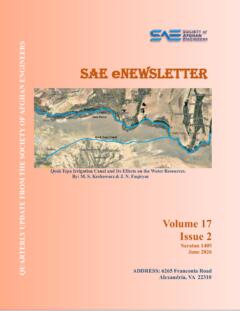
Volume 17 Issue 2 Saratan 1405 June 2026
Editor-In-Chief Message
I am pleased to present the quarterly update on the activities of the Society of Afghan Engineers (SAE) through Volume 17, Issue 2 of the SAE eNewsletter. This issue of June 30th 2026 corresponds with the month of Saratan 1405 in the Hijri Shamsi calendar. The Editorial Board extends its warmest wishes to all our members and wishes you a beautiful summer season filled with joy, prosperity, productivity, and good health.
This issue of SAE eNewsletter features the latest events at the SAE and other activities of interest to our members. Featured topics include messages from Mr. Jalal Masumi, the Society’s President, Eng. Abdul Manan Khalid, Chairman of the Board of Directors, as well as membership news. We are pleased to include an abstract of the newly published book entitled “Analytical and Research Illustrated History – The Umayyad and Muslims Empire and the Creations of Architecture of Andalusia (Islamic Spain),” authored by Dr. Said Sharif Hossainy in this issue.
Furthermore, we invited esteemed authors and contributors to share their valuable knowledge and experience with our readers. We hope you enjoy and appreciate their contributions.
In the article, “Qosh Tepa Irrigation Canal and Its Effects on the Water Resources of the Neighboring Countries in Central Asia,” Dr. Saleh Keshawarz and Jalal Naser Faqiryar emphasize the importance of the Qosh Tepa Canal as a significant opportunity for Afghanistan to utilize water from the Amu Darya River. The canal has the potential to bring vast areas of northern Afghanistan under irrigation, transforming them into productive agricultural lands. However, the authors argue that the sustainable management of the Amu Darya water resources requires a framework of cooperation and trust among all countries involved, including Afghanistan that share the river. This initiative could serve as a model for equitable and sustainable water governance in Central Asia.
The article by Ghulam Feda: “Afghanistan’s Untapped Energy: The Coal Reserves That Could Power a Nation,” examines the geographic distribution and characteristics of Afghanistan’s major coal basins, and evaluates their potential role in thermal electricity generation and industrial development. The study also examines the economic benefits of responsible coal utilization and emphasizing that with effective governance, technological modernization, and environmental safeguards, Afghanistan’s coal resources could support long‑term energy security and contribute to sustainable national economic growth.
Architect Tooba Roshan, in continuation of her contributions to the architectural and historical treasures of Afghanistan, presents her article, “The Grand Mosque of Herat: History and Architecture of a Masterpiece of Islamic Civilization,” stands out as a remarkable contribution. It is both a scholarly treasure and an important addition to the documentation and appreciation of Afghanistan’s rich cultural and historical heritage.
Finally, I would like to express my sincere appreciation to Dr. Gul Afghan Saleh, Eng. Amanullah Mommandi, and Eng. Abdul Manan Khalid for their dedication and hard work as members of the Editorial Board. I am also deeply thankful to Eng. Jalal Masumi, the President of the Society, for his unwavering support, which has played a pivotal role in the continued success of this publication. I hope that you find the newsletter interesting and useful.
Very Truly Yours,
Bashir Kazimee, AIA
Editor-In-Chief
President’s Message
Dear Society Members and Friends
It is my privilege again to have the opportunity of addressing you through this issue of SAE eNewsletter, mid-way through the final year of the current SAE administration term. With the summer days upon us, I hope that your vulnerability of exposure to weather elements caused by summer heat is at a reasonably low level. News from homeland Afghanistan, however, unfortunately, indicate the bitter reality of losses and damages.
In our SAE news front, providing online education has been continuing. Extending on behalf of our Society profound appreciation for their dedicated and untiring efforts to SAE and AEBT members (Tooba Roshan, Mehrangaze Danishwar, Aisha Hakimi, Maryam Ahmadzai, Ghulam Feda, Amanullah Mommandi, Yar Mohabbat, Yusuf Afrooz, Gul Afghan Saleh, Amin Mahmood, Bashir Kazimee, Walid Howaida, Manan Khalid, Najim Azadzoi, Mehdi Sabet, Hamayoun Ibrahim, Naim Hakimi, Hafiz Wardak, Rafi Samizay), I remain gratefully indebted to these ladies and gentlemen who voluntarily and enthusiastically have given their time in this endeavor.
The effort to provide our organization with a more suitable website similarly has entered active stage. AICyber Help is a firm developing and maintaining websites with whom SAE executed a contract in this pursuit. The new website is expected to be launched officially in July.
Another activity in progress is that by an Election Committee – comprised of active SAE members, Khatol Sediq; Sayed Rohullah Hussaini; Yusuf Afrooz; and (chairman) Nazeer Babacarkhail – tasked to independently conduct and carryout the 2026 Elections aimed to get new SAE officers and management for the 2027- 2029 service term.
Efforts are also underway in support of holding the Afghan Architects & Engineers Alumni 2026 to be hosted by Afghan-Canadian Engineers & Architects (ACEA) in Canada, in September. Presently, we plan to convene the SAE general assembly meeting for the year (GAM 26) in tandem with the Alumni event.
Regrettably, we failed to meet the timeline goal of June/July to prepare for a conference about Kabul Water Crisis, a topic highlighted during the general assembly meeting (GAM 25) last October.
Jalal Masumi
SAE President
Message From the Chairperson of the Board of Directors

Dear Readers of the SAE eNewsletter
This is an election year for the 2027–2029 term. By now, you should have received notification from the Election Committee regarding the upcoming election process. You may also have received information concerning the nomination of candidates for the nine positions on the Board of Directors, as well as, the position of President of the Society. Before submitting your own candidacy or nominating another member, please review the current Bylaws to ensure compliance with all nomination requirements outlined therein.
The Board of Directors is a group of individuals elected by the membership to govern and oversee the affairs of the Society. The Board is responsible for establishing the Society’s mission, strategic direction, and goals, while ensuring that all operations are conducted in accordance with the Bylaws and accepted ethical standards. In addition, the Board is responsible for appointing the President of the Society from among the nominees proposed by the membership.
Although the current Bylaws permit a Board consisting of a minimum of three members and a maximum of nine members, it has been the Society’s longstanding practice to maintain a nine-member Board. It is the intention to continue that tradition for the upcoming term. These are elected positions and require nomination and voting by the membership. For your reference, Articles 3.1 through 3.5 of the current Bylaws governing the Board of Directors and the election of its members are provided below.
3.1 Powers. All corporate powers shall be exercised by, or under the authority of, and the business of the Society shall be managed under the direction of, the Board.
3.2 Functions and Responsibilities. The Board manifests the Society’s purposes by setting short and long-term goals, identifying strategies, and monitoring progress and achievements. In addition to performing such duties and exercising such powers identified in these Bylaws and pursuant to the Act, the Board shall also manage, stipulate, and control all the policies and business affairs of the Society.
3.3 Number of Directors. The number of directors constituting the Board shall be no fewer than three (3) and no more than nine (9). The number of directors may be increased or decreased by amendment of these Bylaws. The Regular, Associate, and Honorary Members shall determine the total number of directors to be elected within the range of the permissible number of directors under this Subsection.
3.4 Qualifications. An individual may be considered for election as a director if such individual has completed a one-year term as a Regular Member, Associate, or Honorary Member of the Society and has paid all assessed membership dues in the year of such election and the year prior to such election. A director need not be a resident of the Commonwealth of Virginia.
3.5 Election of Directors. The Regular, Associate, and Honorary Members shall elect individuals to the Board of Directors by voting for one of the candidates. The candidates with the highest number of votes will serve as directors to fill the available seats.
This is your Society, and you have the opportunity to help shape its future and determine the direction it will pursue. I encourage you to become a candidate, nominate a fellow member, or, at the very least, exercise your right to vote when the time comes. Your participation is essential to ensuring strong leadership and a vibrant future for our Society.
Sincerely,
Abdul Manan Khalid, P.E., LEED (BD+C)
Chairman, SAE Board of Directors
Afghan Education for a Better Tomorrow (AEBT)
In Partnership with the Society of Afghan Engineers (SAE) Quarterly Education Report Second Quarter (April – June 2026)
By: Ghulam M Feda
Executive Summary
During the second quarter of 2026, Afghan Education for a Better Tomorrow (AEBT), in collaboration with the Society of Afghan Engineers (SAE), continued its mission of expanding access to quality higher education and professional development opportunities for Afghan students through online learning platforms. The program delivered specialized courses and technical seminars led by volunteer professors, engineers, architects, and subject-matter experts.
Educational Activities
The following courses and seminars were offered during the reporting period:
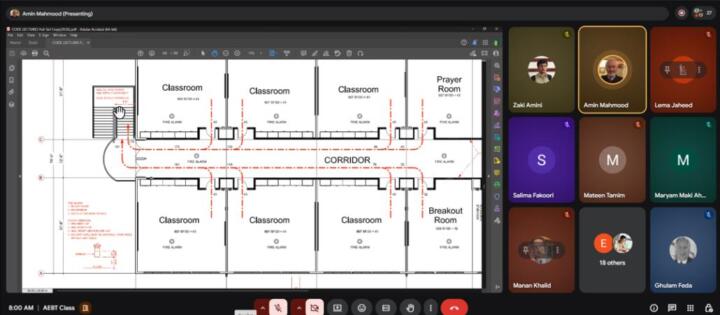
- Building Code and Steel Structures – Eng. Amin Mahmood
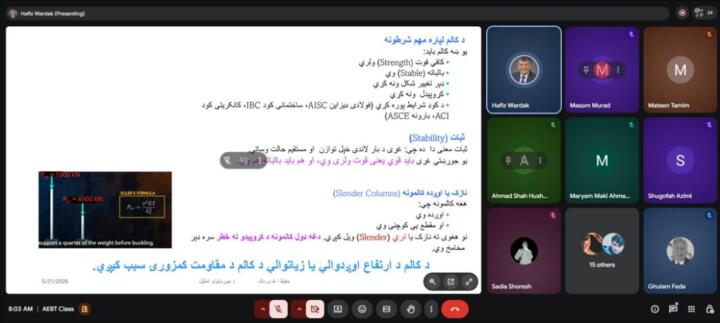
- Structural Analysis – Ustaad Hafiz Wardak
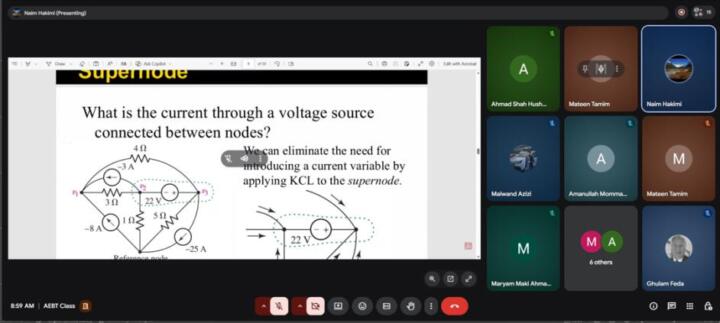
- Electrical Circuit Analysis – Eng. Naim Hakimi
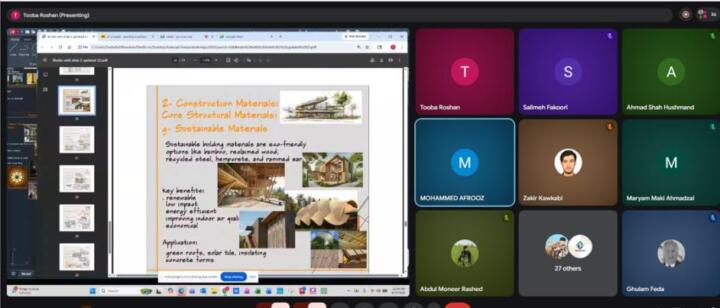
- General Architecture and Interior Design – Arch. Tooba Roshan, Arch. Yusuf Afrooz, and Arch. Mehrangez Danishwar
- English Literature and Writing – Prof. Dennis Briskin
- Earthquake Engineering Seminar – Eng. Ghulam M. Feda
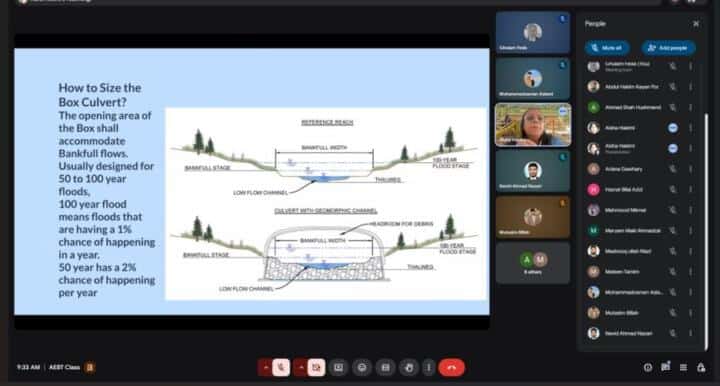
- Corrugated Metal Box Culverts- Eng. Aisha Hakimi
- Recent Advance in Electronics and their application- Dr. Bahawodin Baha
Program Impact
The educational programs addressed key disciplines including civil engineering, electrical engineering, architecture, computer engineering, energy system and language studies. Students gained exposure to contemporary technical concepts and practical applications relevant to their academic and professional aspirations.
Strategic Collaboration
AEBT and SAE continued to strengthen collaboration with academic institutions and professional organizations to enhance educational outreach and expand learning opportunities for Afghan students.
Acknowledgment
AEBT and SAE extend their sincere appreciation to all volunteer instructors, guest speakers, academic coordinators, and students whose dedication made these educational activities possible.
Screenshots from the lectures:



New Book: Analytical and Research Illustrated History – The Umayyad and Muslims Empire and the Creations of Architecture of Andalusia (Islamic Spain)
Author: Dr. Said Sharif Hossainy
This book is a research and visual journey into the heart of one of the most brilliant civilizational experiences of Islam in the West: the eight hundred years of Muslim presence in the Iberian Peninsula (present-day Spain and Portugal), and examines how a unique visual identity was formed; an experience that was established in Andalusia and simultaneously influenced the Islamic world and Europe.
In this study, the author goes beyond mere historiography, relying on authoritative and up-to-date sources. Through an analytical approach, the work demonstrates how the conquest of the Iberian Peninsula led to a new intellectual and philosophical order and led to the establishment of the Umayyads, Marabatuns, Mohids and Nasrids governments in Andalusia. It further shows how these developments created the ground for scientific, cultural, architectural, and economic developments, while also ignited the early sparks of the European Renaissance centuries later.
This analytical and research work is not merely a reinterpretation of the unique ancient stones and monuments of Andalusia (Islamic Spain), but an attempt to understand the historical will in which knowledge, art and faith are intertwined and have led to the formation of a stable and effective civilization. Its architecture not only responded to the material needs of society, but also carried meaning, identity and human dignity.
The author dedicates this work, with conscious sense of hope, to engineers, architects and all educated and art-loving people of our beloved Afghanistan; to those who dream of rebuilding and reviving their homeland in the midst of difficulties and limitations. Reflecting on the experience of the Andalusia architects shows how innovation can be created from the heart of limitations and how engineering knowledge, in the context of Spanish Islamic civilization, links human life with dignity, order and beauty.
This analytical and research work emphasizes the key axis: the relationship between science, architecture, and social welfare. It is therefore recognized that this work is an inspiring documentary and enlightening source of knowledge, not only for students of architecture, engineering, and history, but also for every researcher and reader who is interested in a deeper understanding of the position of Islamic civilization in world history.
The link to this book is available in the Lazurite Cultural Library on the Afghan German Online website and was published and digitized by the Lazurite Digital Center in 27-May-2026.
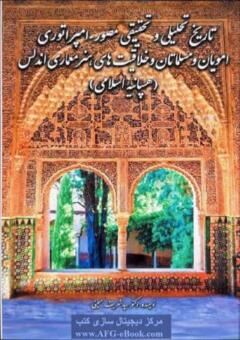
Please copy and paste the link below into Google Chrome and then log in. when it opens, click on the arrow on the left side of your computer screen to read the book. https://www.afg-ebook.com/ebook/Hossainy/analysten/mobile/index.html#p=280
Author’s Biography

- Said Sharif Hossainy, Eng. Arch. PhD.
- Former deputy minister, Ministry of Urban Development (MoUD)
- Senior advisor to the Minister (MoUDH)
- Canadian Architectural Registration No: 2280
- Member of the Society of Afghan Architects & Engineers (SAAE)
- Member of the board of Directors (SAE) society Afghan Engineers
- Member in the Roster of CANADEM No: 2808 – CANADEM is an Ottawa, based non-profit, government related organization
- Received an award from the Speaker of the House of Afghan Parliament, January 12, 2016 (22-10-1394 HS).
Dr. Said Sharif Hossainy, son of Said Karim Hossainy, was born in October 1944 (1322 HS) in Kabul, Afghanistan, in a family of famous calligraphers and artists. He graduated from Habibia High School in 1962 (1340 HS) and then started his higher education at Czech Technical University in 1964 using a government scholarship. He obtained his master’s degree as Eng. Architect in 1970 and later, in 1975, he obtained a doctorate degree in Architecture from the same university. Dr. Said Sharif Hossainy at the end of his studies returned to Afghanistan and after completing his military service, he started his professional activity in the Ministry of public works. He was appointed in 1979 (1358 HS) as the General Director of Architectural Department. And in 1980 (1359 HS) he was appointed as the president of the building authorities in the Ministry of Public works. He immigrated to India with his family in December 1982 (1360 HS) and in September 1985, they immigrated to Canada. While living in Canada, he has worked with several Architectural companies on several projects. Dr. Hossainy is one of the designers of the high-rise building in Surrey, BC- Canada, which won an award and is called the Central City, with the cost of 135 million dollars and has an area of 1,000,000 square feet. In April 2003, Sharif Hossainy returned to his country as a technical associate and senior advisor to the Minister of Urban Development (MOUD). He launched and taught the Auto CAD program and engineering design programs to improve the technical capacity of engineers and architects for both males and females. His efforts in assisting the technical staff increased the speed of completion of projects in the Ministry of Urban Development and Housing “MOUD”. After the completion of his contract with CIDA, he started working as the Deputy Minister of Urban Development in September 2004. In addition to administrative and technical duties, he has planned and designed the extensive program for the large complex project of the new Afghan Parliament. Hossainy made several international trips to the parliaments of different countries such as Australia, India, Iran, Turkey, Germany and Canada. These trips were very valuable for the construction of the new parliament project. After his retirement in 2010, he continued as a senior advisor and technical associate of that ministry. He worked as a responsible and senior advisor of the new parliament, with a team of Indian engineers and architects. He insisted on the quality of international standards for future needs. Hossainy, also revised the architectural plans of the new parliament of Afghanistan several times, so that the original plan of the parliament, which had an area of about 30,000 square meters, was expanded to 33,000 square meters. According to Hossainy’s professional efforts, the future needs of Afghanistan, was implemented in the project based on his proposed plan.
Dr. Said Sharif Hossainy is the author of the book “Analytical and Research Illustrated History – The Umayyad and Muslims Empire and the Creations of Architecture of Andalusia (Islamic Spain)” and two other books: “The New Parliament Complex of the Islamic Republic of Afghanistan” and “The Construction Process of the New Parliament Complex of Afghanistan. He has published in Dari and English, the numbers of articles, reaches twenty-four.
The result of Hossainy’s marriage is two children, Humaira and Said Yousef Hossainy.
Qosh Tepa Irrigation Canal and Its Effects on the Water Resources of the Neighboring Countries in Central Asia
Mohammad Saleh Keshawarz1, Jalal Naser Faqiryar2
1Professor of Civil Engineering, University of Hartford, West Hartford, CT, USA
*Corresponding author
(Disclaimer: The views and information expressed in this article are those of the author. The SAE is not responsible for the accuracy of the data, references, or recommendations provided in this article.)
Abstract
The Qosh Tepa Canal in northern Afghanistan has been under consideration since 1972. It diverts water from the Amu Darya to irrigate northern Afghanistan. The Canal starts in the Kaldar District of Balkh Province and ends in the Andkhoy District of Faryab Province. It measures 285 km in length, 100 meters in width, and 8.5 meters in depth. The Canal’s design capacity is 650 m³/s, with the potential to irrigate 545,000 hectares of farmland. While the project could significantly boost Afghanistan’s agricultural productivity and food security, it also raises concerns about downstream water availability, ecological impacts, and regional water-sharing issues.
This paper explores the potential impact of the Canal on the region’s water supply, agriculture, environment, and politics.
Mitigation strategies will focus on enhancing irrigation efficiency in Afghanistan, Uzbekistan, and Turkmenistan through canal lining, modern distribution methods, improved on-farm and off-farm water management, reducing conveyance losses, implementing joint monitoring programs for real-time flow data, and developing bilateral or multilateral agreements for fair water sharing.
Keywords: Qosh Tepa, Water Sustainability in Central Asia, Water Management, Aral Sea, Regional Cooperation
1. Introduction
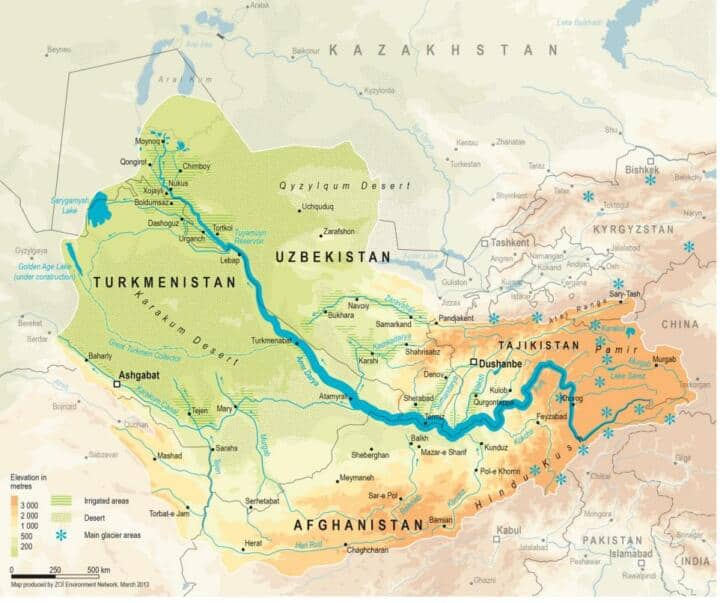
Amu Darya (Darya means “river” in Farsi), Oxus (Greek), and Jaihoon (Arabic) has been the primary water source in Central Asia for millennia. The confluence of the Panj and Vaksh rivers, a few miles downstream from Shair Khan Bandar in northern Afghanistan, marks the starting point of the Amu Darya. The Panj River itself originates from the mountain glaciers of Afghanistan and Tajikistan. The union of the Wakhandarya and Pamir rivers is commonly known as the source of the Panj; however, it’s more logical to consider the Panj as a continuation of the Wakhandarya, with its source in Zor Kul lake in the Wakhan region of Afghanistan. The total length of the Wakhandarya-Panj is 1140 km, with the Panj itself measuring 921 km. (Rivers of Afghanistan, Year unknown). In the initial stages, the Amu Darya forms the boundary between Afghanistan and Tajikistan, then between Uzbekistan and Afghanistan, and subsequently between Turkmenistan and Afghanistan. It eventually flows entirely into Turkmenistan and Uzbekistan, finally merging into the Aral Sea (see Figure 1).
The Amu Darya has been a vital source of water for Agriculture and human sustenance since the beginning of human settlements along the river. Great civilizations have been developed and also destroyed along this river. The great cities of Balkh, Bukhara, Samarkand, and Khiva are all located in the vicinity of the Amu Darya. The Aral Sea, once the third-largest lake in the world (Wikipedia), was fed by the Amu Darya. However, beginning in the 1960s, with the development of extensive irrigation infrastructure in the Central Asian Republics (CAR) of the former Union of Soviet Socialist Republics (USSR), it shrank to 10% of its original size.
1.1 Water Sharing from the Amu Darya
Before CAR gained independence, the USSR managed water distribution across its territory based on the energy and agricultural needs of each region. Soviet planners had a long-term goal to turn Central Asia into a cotton monoculture. They planned to divert a significant amount of water from the Amu Darya to irrigate the deserts of Uzbekistan and Turkmenistan. The main irrigation canals built to support agriculture in this area include, in Uzbekistan, the Karshi Canal, the Amu Darya-Bukhara Canal, and the Karakalpakstan Canal. On the Turkmenistan side, the Karakum Canal, the Lebap Canal, the Korezm Canal, and the Dashouz Canal are shown in Figure 2.
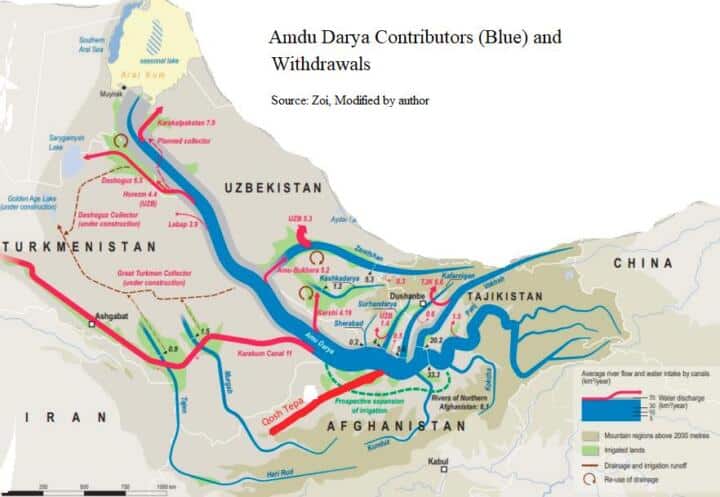
The Soviets invested in hydroelectric power generation, HEP, in the upstream countries of Central Asia, such as Tajikistan and Kyrgyzstan, and in irrigation infrastructure in the downstream countries, like Uzbekistan and Turkmenistan. By doing so, they initiated a barter system of give-and-take. The downstream countries produce agricultural products and, in return, receive energy. To manage the water resources of the basin, the Soviet authorities developed a water distribution scheme known as Protocol 566, dated September 1987 (Ahmad & Wasiq, 2004). The available water was allocated to each according to the amount shown in Table 1.
Table 1: Water Allocation Based on Protocol 566, September 1987
| Country | Limit (bcm/yr) | Percent Share, % | Average Annual Flow – bcm/yr | Percentage of Total |
| Afghanistan | 0 | 0 | 17.0 | 23 |
| Uzbekistan | 29.6 | 48.2 | 5.1 | 7 |
| Tajikistan | 9.5 | 15.4 | 49.6 | 66 |
| Kyrgystan | 0.4 | 0.6 | 1.6 | 2 |
| Turkmenistan | 22.0 | 35.8 | 1.5 | 2 |
| Total | 61.5 | 100 | 74.8 | 100 |
The basis of water allocation in Protocol 566 was mainly the historical use of water for agricultural purposes (Ziganshina, 2022). Obviously, Afghanistan, the second-largest contributor to the Amu Darya flow after Tajikistan, was not included in the water-sharing agreement, as evidenced by Table 1.
Despite the Afghan government’s attempts to initiate discussions with the Soviet authorities on water sharing, their efforts were unsuccessful (Naimi, 2012). After CAR’s independence from the USSR, they agreed to continue the water-sharing deal in a meeting called the Almaty Agreement in 1992. However, Afghanistan was again excluded and not invited to this meeting, so it was left out of the water-sharing agreement.
Afghanistan finally decided to move forward on its own. It initiated the feasibility study for building the Qosh Tepa canal in 2018, almost four and a half decades after the conceptual design was first proposed in the 1970s. Construction of the Canal began in 2023.
2. The Qosh Tepa Canal
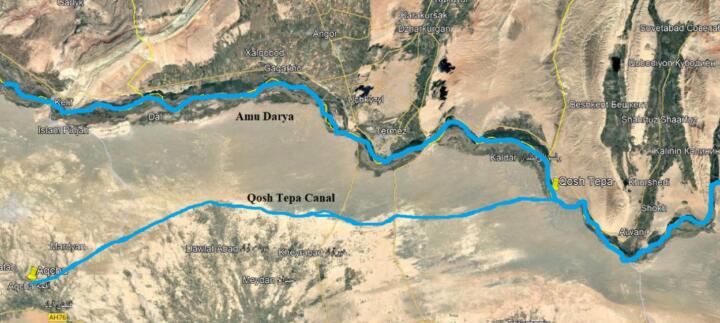
The Qosh Tepa Canal, shown in Figure 3, is an irrigation channel that will divert water from the Amu Darya to irrigate approximately 545,000 hectares of land in northern Afghanistan. The Canal was conceived in the 1970s during the presidency of President Daud Khan, the then-president of Afghanistan. It was planned to start at Khosh Tep near Kunduz in northern Afghanistan and deliver water to the northern provinces of Balkh, Jowzjan, and Faryab. With a length of 236 km, a width of 100 meters, and a depth of 8 meters, and with a design capacity of 650 cubic meters per second, it’s one of the most extensive canals in the region.
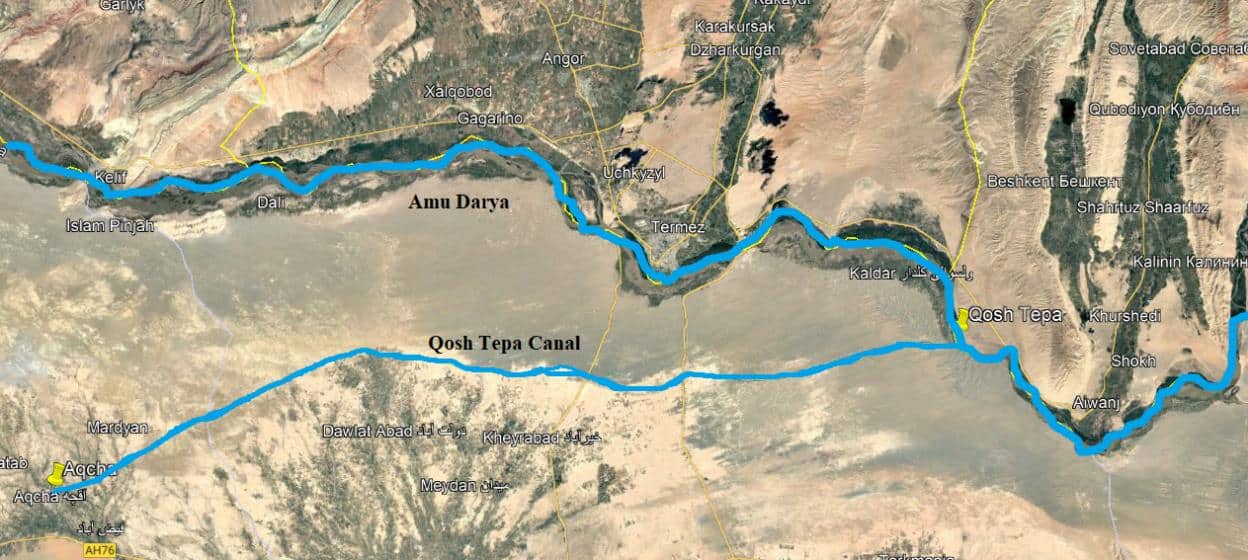
Figure 3: Amu Darya and Qosh Tepa Canal. Source: Google, modified by author
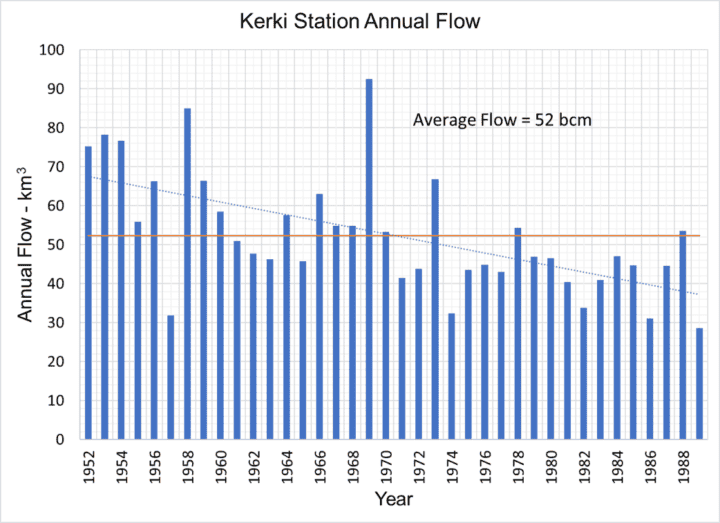
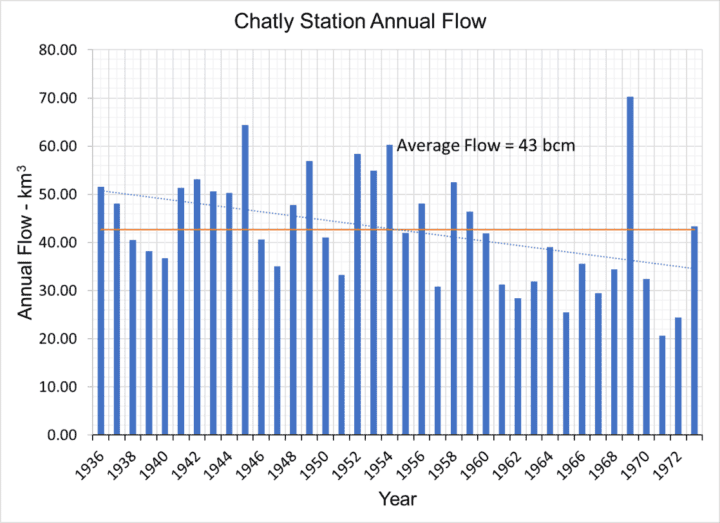
For engineering purposes, the intake was relocated to Kaldar District in Balkh Province, Northern Afghanistan. Construction of the Canal began in 2023 and has made significant progress toward the Andkhoy District in Jowzjan Province, which is considered the Canal’s endpoint. To better understand water availability in the area, historical flow data from the Global Runoff Data Center (GRDC) at https://grdc.bafg.de/ has been plotted in Figures 5 and 6. These data show the historical annual flow for the Panj, Vaksh, and Amu Darya at two gauge stations, Kerki and Chatly, as illustrated in Figure 4 (Hou, 2023).
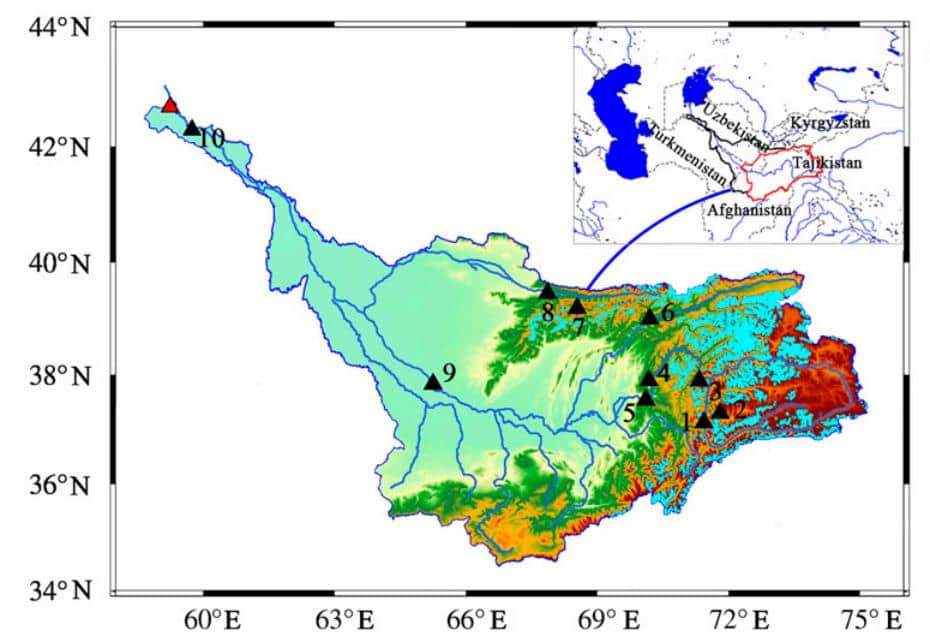
Figure 4: Gage Station Location at Kerki and Chatly
Kerki Chatly Source: Hou, 2023
2.1 Vakhsh River
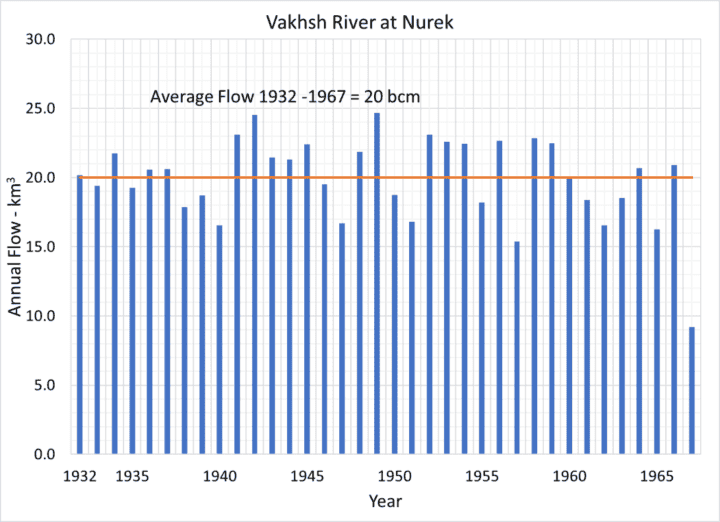
The Vakhsh River originates in the mountains of Kyrgyzstan and, after traversing Tajikistan, joins the Panj River downstream from Shair Khan Bandar to form the Amu Darya. Flow data shown in Figure 5 covers the period between 1932 and 1967. The average annual flow during the recorded years is 20 km3 or bcm per year. The river has been extensively dammed for hydroelectric production. The famous dams are the Nurek Dam and Roghun Dam.
2.2 Panj River
The Panj River originates from the mountains of Afghanistan and Tajikistan. The confluence of the Wakhandarya and Pamir rivers is often considered the source of the Panj; however, it is more logical to view the Panj as a continuation of the Wakhandarya, with its source in Lake Zor Kul in the Wakhan region of Afghanistan. The total length of the Wakhandarya-Panj system is 1,140 km, with the Panj itself being 921 km long. (Rivers of Afghanistan, year unknown). Wakhandarya receives water from many tributaries, both large and small, from Afghanistan and Tajikistan, except for the Kokcha River. Satellite images (Google Earth) show several large and small water bodies that drain into both the Wakhandarya and Pamir rivers; however, there is no on-ground data on how these water bodies contribute to the Panj River, mainly because the Pamir region of Afghanistan is difficult to access.
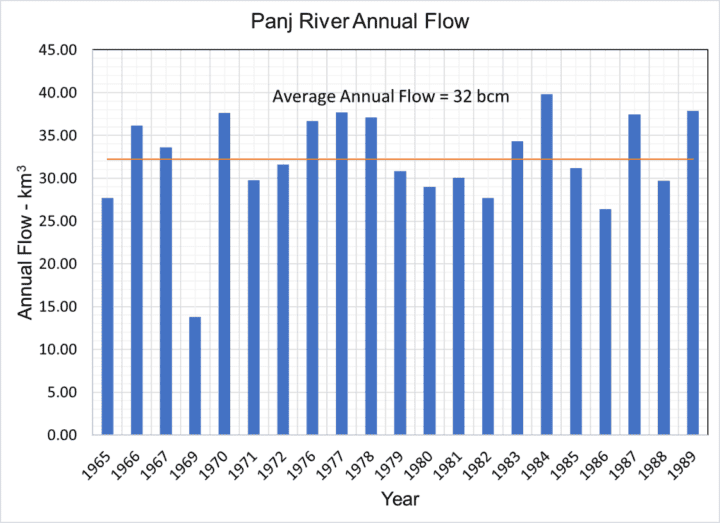
The first reliable gauge station on the Panj River is the Nizhny Station on the Tajik side, near Shair Khan Bandar in Afghanistan, which has available data in GRDC between 1965 and 1989. It has a near-stable average annual flow of 32 billion cubic meters. Data sharing, as is the case with most stations in Central Asia, ceased after the collapse of the Soviet Union and is no longer available for public consumption. Of the 32 billion cubic meters of water in the Panj River, a significant portion of the flow originates from Afghanistan.
2.3 Amu Darya
The Amu Darya forms where the Vakhsh and Panj rivers meet, about 20 km downstream from Shair Khan Bandar in northern Afghanistan. It is the largest river in Central Asia, with an average flow of 74 billion cubic meters annually (Ziganshina, 2022). The river’s flow is heavily used for agriculture, and according to Micklin (1991), it is nearly drained. From its source near Shair Khan Bandar to Kerki in Turkmenistan, its main tributaries are the Kunduz River from Afghanistan and the Surkhandarya and Kafinihon from Tajikistan. From Kerki to the Aral Sea, there is no significant addition to the flow; only withdrawals occur.
Based on the river flow data for the Amu Darya at Kerki (Figure 7), the annual average flow reaching Kerki is approximately 52 billion cubic meters (bcm). Two major withdrawals between Kaldar, the intake for Qosh Tepa, and Kerki are the Karakum Canal, at 11 billion cubic meters (bcm), and the Karshi Canal, at four bcm. Adding these to the 52 bcm results in approximately 67 bcm of water available at the Kaldar Qosh Tepa intake annually.
The annual design capacity of the Qosh Tepa Canal is 20 billion cubic meters (bcm); subtracting this from the 67 bcm available at Kaldar leaves 47 bcm for downstream countries. With strict water management schemes and the fact that Qosh Tepa would not always divert the whole design flow, it would be easier to adapt to the new situation of the Qosh Tepa Canal.
3. Potential Positive Impact of the Canal
The Canal would convert vast areas of dry land in northern Afghanistan into productive agricultural land, thus enhancing food security and reducing dependency on imports. Increased agrarian output would stimulate the rural economy, create jobs, and improve export potential. It would help alleviate rural poverty and promote local stability. When fully functional, the Canal will improve the livelihoods of nearly 600,000 people. On a regional level, it could expand trade with neighboring countries and, if handled properly, increase collaboration in sharing water data and expertise among Central Asian countries.
3.1 Possible Negative Impact on Downstream Countries
The Amu Darya water resources are already exhausted. Without improvements in water management across the region, further diversions will reduce water supplies in Uzbekistan and Turkmenistan. Water shortages in the lower reaches of the Amu Darya could threaten agriculture in areas like Bukhara, Khorezm, Dashoguz, and Karakalpakstan. This may also worsen the Aral Sea crisis. It could also increase political tensions between Afghanistan and neighboring countries, especially during periods of low river flow. However, implementing mitigation measures could lessen the negative impacts of the Canal and benefit all riparian countries.
4. Mitigation and Policy Recommendations
Improving water-use efficiency could save significant water, offsetting the diversion of water through Qosh Tepa. According to a study by the World Bank (World Bank, 2025), Conveyance water use efficiency and on-farm water use efficiency in CAR are approximately 60% and 40%, respectively, as shown in Figure 9.
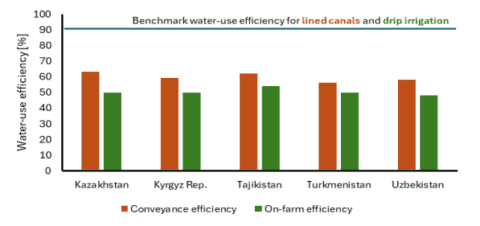
Lined canals could improve efficiency by up to 90%; however, they should be applied judiciously, as canals often feed groundwater in many areas near them, and people may rely on it for their everyday use. Improved irrigation techniques, such as drip irrigation, facilitate the cultivation of crops that require less water. These measures have already been started in some CAR countries, but to a limited extent. Temperature in the deserts of central Asia sometimes reaches close to 50°C, causing excessive evaporation in the conveyance system.
The use of conduits and pipes should be encouraged. Sharing data and being transparent would improve decision-making and allow for timely choices. Afghanistan is not a party to any water-sharing agreement and is therefore not bound by any water-sharing understanding, whether regarding the Amu Darya or the environmental crisis in the Aral Sea. In many discussions between CAR and international groups, Afghanistan has not been recognized as a major legitimate riparian country of the Amu Darya. To ensure a smooth transition from the current state to after the Canal is built, every effort should be made to encourage Afghanistan to join water-sharing agreements. Additionally, technical help should be provided in water management and canal construction to prevent repeating past mistakes made by other countries.
5. Conclusion
The Qosh Tepa provides Afghanistan with an opportunity to utilize water from the Amu Darya and assert its rightful water rights from the river. As a result, vast areas of northern Afghanistan will come under irrigation and will become agriculturally productive. It symbolizes Afghanistan’s pursuit of food security and growth. However, without regional understanding and coordination, the Canal could deepen environmental and political tensions.
Sustainable management of water resources from the Amu Darya requires acknowledging the rights of regional countries, including Afghanistan, and fostering an environment of trust and mutual benefits. If all involved countries approach this Canal cooperatively, it could become a model for fair water sharing and governance in Central Asia.
Acknowledgment: The authors wish to thank the American Institute for Afghanistan Studies (AIAS) for providing a travel grant through the John F. Richards Fellowship, and the University of Hartford for granting a sabbatical leave to conduct this study.
References
- Ahmad, M. and Mahwash Wasiq, “Water Resources Development in Northern Afghanistan and its Implications for Amu Darya Basin,’ The World Bank, 2004
- Hou, Mei et al. “Streamflow Composition and the Contradicting Impacts of Anthropogenic Activities and Climatic Change on Streamflow in the Amu Darya Basin, Central Asia,” Journal of Hydrometeorology, Vol. 24, February 2023
- Micklin, P. “The Water Management Crisis in Soviet Central Asia” The Carl Beck Papers in Russian and East European Studies, No. 905, 1991
- Naimi, Qaseem, “Water Resource Development of Afghanistan and its Challenges”, 2012
- Rivers of Afghanistan, Central Asian Research Hydrometeorological Institute, issue 42 (57) Year: unknown
- The World Bank, “National Irrigation and Energy Efficiency Improvement Project”, 2025
- Ziganshina, Dinara, “Transboundary Water Allocations in the Amu Darya Basin of Central Asia”, doi: 10.2166/9781789062786_0227, pp227-242
Professor Dr. Mohammad Saleh Keshawarz, P.E. Biography
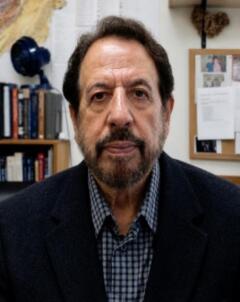
Dr. Mohammad Saleh Keshawarz is a Full Professor and former Chair of the Civil and Environmental Engineering Department at the University of Hartford. With more than four decades of teaching, research, and professional experience, he specializes in geotechnical engineering and water resources, with a strong emphasis on infrastructure development and international capacity building.
Dr. Keshawarz earned his Ph.D. in Civil Engineering from the University of Oklahoma, with minors in mathematics and geology. He holds a Master of Engineering from Tennessee State University and a Bachelor of Science in Civil Engineering from Kabul University. He is a registered Professional Engineer in Connecticut (active) and Virginia (inactive).
He has played a significant role in reconstruction and development efforts in Afghanistan. Dr. Keshawarz authored one of the first comprehensive water sector assessments for USAID and served as a senior advisor on water-related initiatives. He led multidisciplinary teams assessing soil and water resources and contributed to revitalizing engineering education through partnerships between the University of Hartford and Herat University.
In addition, he has designed and delivered numerous professional training programs on water management, flood control, drought mitigation, and sand stabilization. A participant in a National Academy of Sciences delegation, he has examined water infrastructure in Central Asia and traveled extensively throughout the region. Fluent in several regional languages, Dr. Keshawarz brings both technical expertise and cultural insight to his work.
Jalal Naser Faqiryar Biography
Jalal Naser Faqiryar is an internationally trained water engineer and water diplomacy professional based in Delft, the Netherlands, working at the intersection of water governance, cooperation, and basin-scale management. He has contributed as a researcher on water and peace initiatives with the Rumi Research Organization, advancing applied research on the links between water risks, stability, and regional cooperation.
His academic background combines engineering and policy. He studied Water Engineering and Management at the Asian Institute of Technology. He completed an International Joint MSc (triple degree) spanning Water Resources Policy and Management at Oregon State University, Water Governance, Cooperation and Diplomacy at IHE Delft Institute for Water Education, and Environmental Development at the University for Peace, supported by a Rotary scholarship.
In Afghanistan, Faqiryar served as Senior Program Specialist and Advisor to the Deputy Minister at the Ministry of Agriculture, Irrigation and Livestock, where he supported national irrigation programs, donor coordination, and dispute resolution among water users. He later served as Director General of the Kabul River Basin at the Ministry of Energy and Water, leading basin planning, promoting equitable water allocation, and coordinating responses to floods, droughts, and water-related conflicts.
He has contributed to publications on climate impacts, hydropower, basin planning, and transboundary water cooperation. Faqiryar works across technical, governmental, and international settings, helping translate scientific insight into practical, cooperative water management solutions.
Afghanistan’s Untapped Energy: The Coal Reserves That Could Power a Nation
By: Eng. Ghulam M. Feda
(Disclaimer: The views and information expressed in this article are those of the author. The SAE is not responsible for the accuracy of the data, references, or recommendations provided in this article.)
Abstract
Afghanistan possesses significant coal resources formed during the Jurassic geological era, representing one of the country’s most promising yet underdeveloped energy assets. With approximately 73 million tons of proven coal reserves and more than 400 million tons of estimated potential deposits, Afghanistan has the geological capacity to meet a large portion of its domestic energy demand.
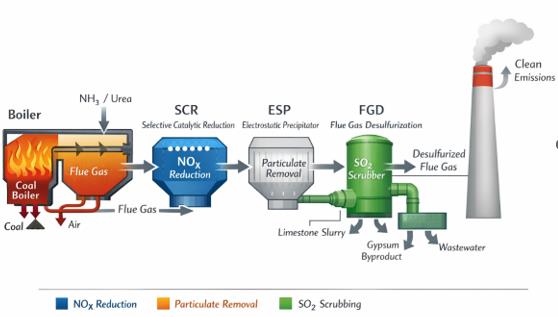
This paper examines the geographic distribution and characteristics of Afghanistan’s major coal basins—including Dara-i-Suf, Karkar, Ashpushta, and Sabzak—and evaluates their potential role in thermal electricity generation and industrial development. The study also explores the economic benefits of responsible coal utilization and discusses modern environmental technologies such as Electrostatic Precipitators (ESP), Selective Catalytic Reduction (SCR), and Flue Gas Desulfurization (FGD), which significantly reduce emissions from coal-fired power plants. With proper governance, technological modernization, and environmental safeguards, Afghanistan’s coal resources could contribute to long-term energy security and national economic growth.
Keywords: Afghanistan, coal resources, thermal power generation, energy security, clean coal technology, sustainable mining.
Introduction
Energy access remains one of the most important drivers of economic development and infrastructure growth. In Afghanistan, limited electricity supply continues to constrain industrial expansion, social development, and improvements in living standards. Currently, less than 35 percent of the population has reliable access to electricity, and a significant portion of the country’s electricity is imported from neighboring countries including Uzbekistan, Tajikistan, Iran, and Turkmenistan.
Afghanistan’s domestic energy resources—including coal, natural gas, hydropower, and renewable energy—have the potential to significantly reduce this dependency. Among these resources, coal represents one of the most accessible and economically feasible options for base-load electricity generation.
Afghanistan’s coal deposits originated during the Jurassic geological period (approximately 150–180 million years ago), when large forest ecosystems covered parts of the region. Over geological time, accumulated plant material was buried under sediment and transformed into coal through pressure, heat, and chemical processes.
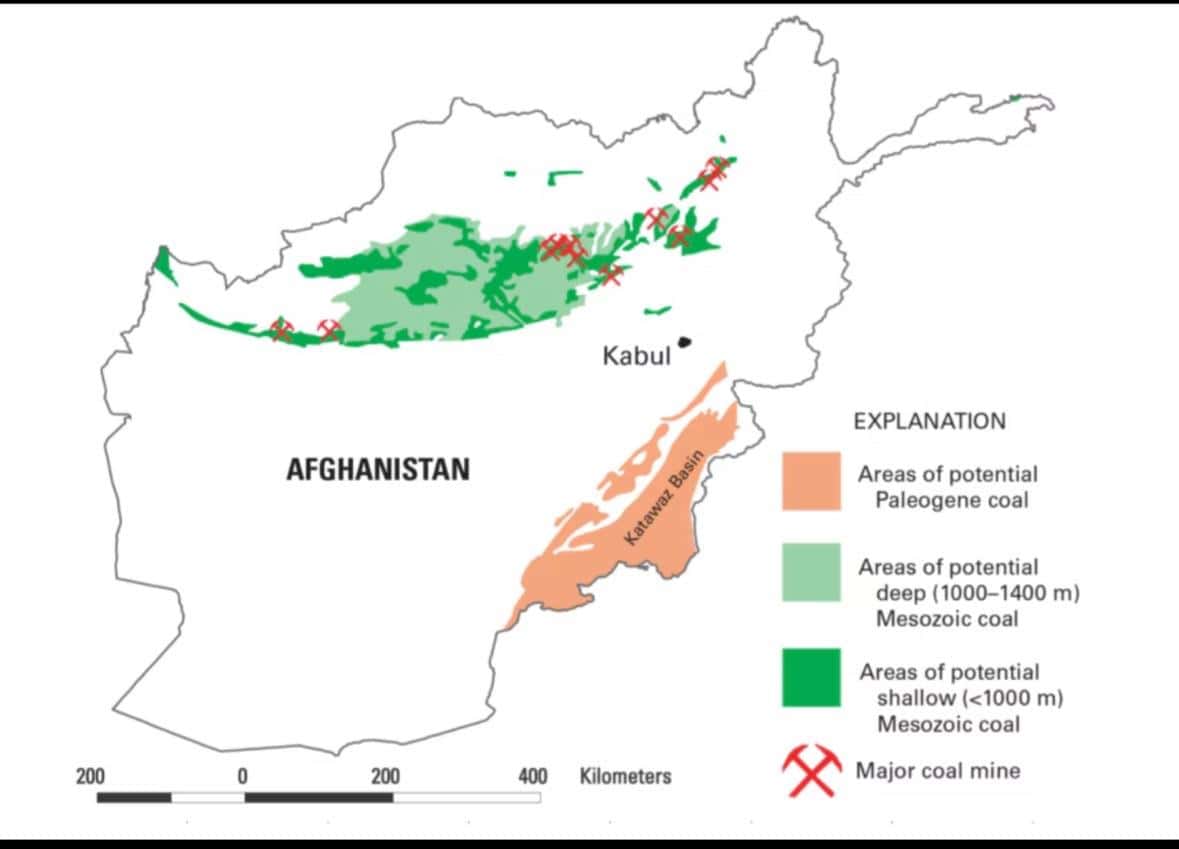
Studies conducted by the U.S. Geological Survey (USGS) and the Afghanistan Geological Survey (AGS) estimate that Afghanistan contains approximately 73 million tons of proven coal reserves and more than 400 million tons of potential coal resources. These deposits are primarily located in northern and central Afghanistan, forming the country’s principal coal belt.
Major Coal Basins of Afghanistan
Afghanistan’s coal resources are distributed across several major geological basins that have supported mining activity for decades.
- Dara-i-Suf Coal Basin – Samangan Province
The Dara-i-Suf coal basin is one of Afghanistan’s most productive mining regions, with estimated reserves exceeding 80 million tons. Numerous small- and medium-scale mines operate in the area, supplying coal for local industries, brick production, and household heating. With improved mining technology and infrastructure, Dara-i-Suf could support expanded production for future energy projects. - Karkar and Dudkash Mines – Baghlan Province
The Karkar and Dudkash coal mines represent some of the oldest mining operations in Afghanistan and are estimated to contain approximately 20–30 million tons of coal resources. These mines have historically supplied coal for industrial and domestic consumption. Modernization of extraction methods and improved transportation networks could significantly increase production capacity. - Ashpushta Coalfield – Bamiyan Province
The Ashpushta coalfield located in Kahmard District of Bamiyan Province contains an estimated 30 million tons of recoverable coal. The quality of the coal is considered suitable for thermal electricity generation. Previous development proposals suggested construction of a 400-MW coal-fired power plant in the region to supply electricity to Bamiyan and neighboring provinces. - Sabzak Coalfield – Herat Province
The Sabzak coalfield in Herat Province is estimated to contain more than 10 million tons of coal resources and represents the largest coal deposit in western Afghanistan. Its location near western transportation corridors gives it strategic importance for future energy development.
Energy Generation Potential
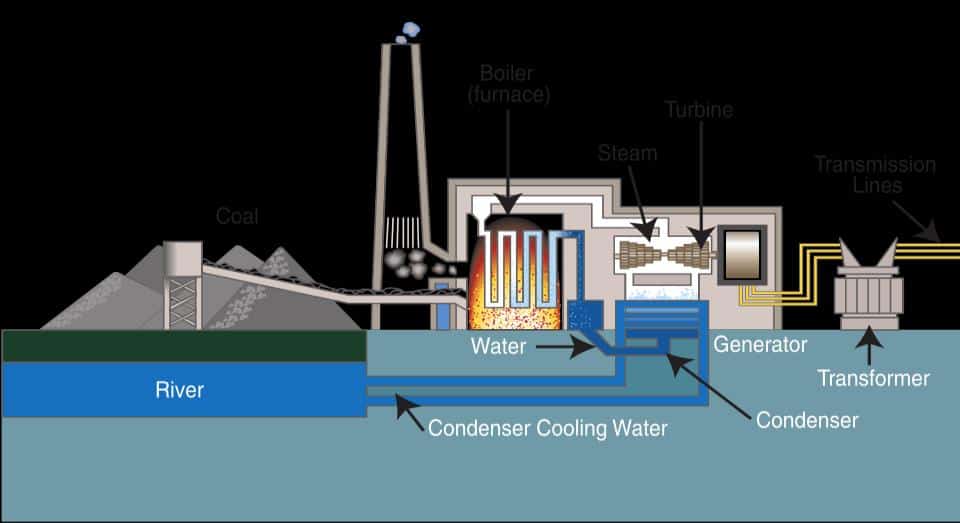
Coal-based power generation could significantly improve Afghanistan’s electricity supply and support industrial growth. Estimates indicate that utilizing approximately 50 million tons of domestic coal in modern thermal power plants could generate between 150 and 180 terawatt-hours (TWh) of electricity.
This production level corresponds to approximately 5,000–6,000 MW of installed generation capacity, which could supply electricity to Afghanistan’s major cities including Kabul, Herat, Mazar-e-Sharif, Kandahar, and Jalalabad.
Environmental Protection Technologies
Modern coal-fired power plants incorporate advanced emission control technologies to minimize environmental impacts and comply with international air-quality standards.
- Electrostatic Precipitator (ESP)
ESP systems remove fine particulate matter such as ash, dust, and soot from flue gases using electrically charged plates. These systems can capture more than 99 percent of particulate emissions. - Selective Catalytic Reduction (SCR)
SCR technology reduces nitrogen oxide (NOx) emissions by injecting ammonia or urea into the flue gas stream. In the presence of a catalyst, NOx is converted into harmless nitrogen and water vapor. - Flue Gas Desulfurization (FGD)
FGD systems remove sulfur dioxide (SO2) from exhaust gases using limestone slurry. The reaction produces gypsum, a material that can be used in construction products.
Economic and Strategic Importance
Responsible development of Afghanistan’s coal sector could generate significant economic benefits. These include reduced dependence on imported electricity, job creation in mining and energy industries, expansion of domestic industries such as cement and metallurgy, and increased government revenue through royalties and taxation.
Conclusion
Afghanistan’s coal reserves—particularly those in Dara-i-Suf, Karkar, Ashpushta, and Sabzak—represent a valuable but underutilized national resource. With modern mining practices, advanced environmental protection technologies, and effective governance, these reserves could play a critical role in strengthening the country’s energy security while reducing the severe winter pollution caused by inefficient residential coal use through cleaner, centralized systems. At the same time, Afghanistan possesses vast renewable energy potential in solar, wind, and hydropower. By adopting a balanced energy strategy that integrates cleaner coal utilization as a transitional resource with accelerated investment in renewables, the country can reduce environmental and public health impacts, support long-term economic development, and move decisively toward sustainable energy self-sufficiency.
Afghanistan currently produces about 2 million tons of coal annually for domestic use and export, primarily to Pakistan. These activities generate employment, government revenue, and foreign-exchange earnings, demonstrating the economic importance of the country’s coal resources.
References
- U.S. Geological Survey (2011) – Coal Resources of Afghanistan: Estimates of coal reserves and geological survey results.
- Afghanistan Geological Survey (2020) – Mineral Resources of Afghanistan: National report on coal basins and potential.
- World Bank (2018) – Afghanistan Energy Sector Overview: Overview of energy infrastructure and coal’s role.
- International Energy Agency (2017) – Clean Coal Technologies Roadmap: Emission control technologies for coal plants.
- Afghanistan Geological Survey (AGS), USGS, UN Energy Statistics Database, and World Bank trade data.
Eng. Ghulam M. Feda’s Bio
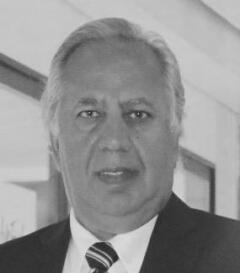
Ghulam M. Feda earned his master’s degree in electrical and computer engineering from the University of Cincinnati, along with a BSEE from Kabul University, Faculty of Engineering. With more than 35 years of engineering experience, he has primarily held leadership roles in industrial R&D projects, focusing on optimizing organizational efficiency. Notably, his significant contributions have been within Owens Illinois, a global glass technology company headquartered in Ohio. Furthermore, he has provided guidance by serving on advisory boards for various state colleges and universities. Presently, he stands as the visionary founder and president/CEO of Afghan Education for a Better Tomorrow, an organization spearheading the development and delivery of educational resources to the conflict-affected regions of Afghanistan.
Engineer Feda has been honored with a patent award in “Glass Technology” and a Congressional award for his work in implementing innovative energy efficiency projects. He also holds a certification as a Lean Six Sigma Black Belt (LSSBB). Mr. Feda is passionate about projects that utilize technology to transform education, especially tele-education, to foster deeper learning in underserved and under-resourced communities, particularly in regions with significant needs.
Apart from his professional pursuits, Mr. Feda is an avid traveler and has authored several articles on the architectural techniques of ancient civilizations, as well as topics related to Afghan history and culture. Besides, he has been a guest on several TV shows, where he shares his scientific and historical knowledge with others. Moreover, Engineer Feda is deeply involved with several other non-profit organizations. He holds an active membership with the Society of Afghan Engineers (SAE) and holds positions as a board member for both International Orphan Care and Immigrant Integration and Empowerment. Additionally, he is the visionary founder of the Afghanistan Relief Alliance, an organization dedicated to providing crucial relief supplies to the most vulnerable and poverty-stricken families in disaster-stricken areas of Afghanistan.
Architectural and Historic Treasure of Afghanistan
افغانستان — گنجینه معماری و تاری خ
The Grand Mosque of Herat
مسجد جامع هرات
History and Architecture Masterpiece of Islamic Civilization
By: Tooba Roshan
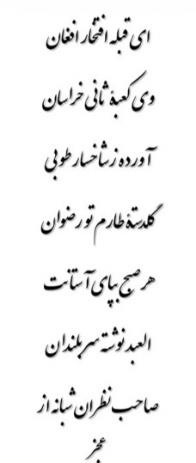
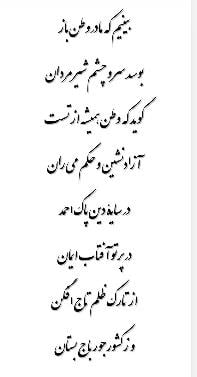
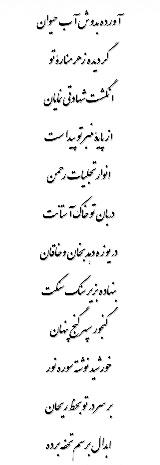
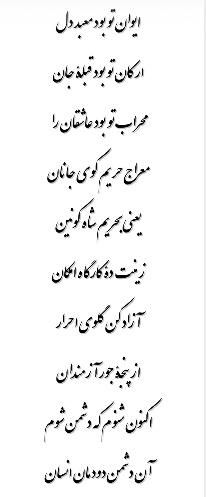
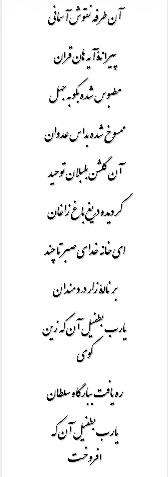
هرات، شهر فرهنگ و هنر
با دل تاریخ پیوندی عمیق
و مسجد جامع باشکوهش
میدرخشد چون ستارهای عتیق
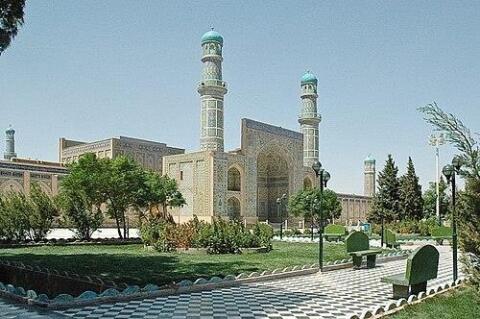
Source: https://en.wikipedia.org/wiki/Great_Mosque_of_Herat
(Disclaimer: The views and information expressed in this article are those of the author. The SAE is not responsible for the accuracy of the data, references, or recommendations provided in this article.)
Introduction
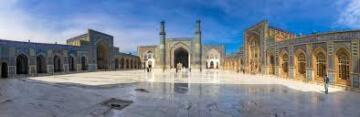
The Grand Mosque of Herat, also known as Masjid-i-Jami Herat, stands among the most remarkable achievements of Islamic architecture in Central Asia. Located in the historic city of Herat in western Afghanistan; for centuries the mosque served as a center of religion, culture, scholarship, and political life. Renowned for its dazzling blue tile work, towering minarets, intricate geometric designs, and vast courtyards, the mosque symbolizes both the artistic brilliance and the turbulent history of Afghanistan. Over hundreds of years, it has survived invasions, earthquakes, wars, and political upheavals while remaining one of the most significant spiritual landmarks, in the Islamic world. Beyond its architectural magnificence, Masjid-e-Jami Herat lingers as a remarkable center of worship, education, and cultural heritage, symbolizing the rich history and resilience of Afghan people.
Source: https://mosqpedia.org/masajid/great-mosque-of-herat/
Historical Background
The origin of the Grand Mosque of Herat can be traced to the early Islamic period after the Arab conquest of the region in the seventh century. The city of Herat has a long occupied strategic position along the Silk Road, connecting Persia, Central Asia, and the Indian subcontinent. Because of this location, Herat become a center of commerce, scholarship, literature and art. The Grand Mosque emerged within this vibrant urban and intellectual environment.
Historical accounts suggest that an earlier religious structure existed on the site before the mosque was established. The present mosque, however, began to take shape during the Ghurid dynasty in the late 12th and 13th centuries. Sultan Ghiyath-Deen Muhammad Ghori is known with laying the foundation of this monument around 1200 CE.
The Ghurid were powerful rulers who controlled large part of present-day Afghanistan, Iran, and India. Under their patronage, Herat became an important cultural and commercial center. The mosque reflected the prosperity of the city and ambitions of the dynasty. Built with baked brick and decorated with geometric patterns and Quranic inscriptions, Masjid-i-Jami, demonstrated the sophisticated craftsmanship of medieval Islamic architecture.
However, much of the original structure was destroyed during the Moguls invasions led by Genghis Khan in the 13th century. Like many cities in the Central Asia, Herat suffered extensive devastation. Despite this destruction, the mosque was gradually rebuilt and expanded by successive dynasties. The most significant period of restoration and enhancement occurred during the rule of the Timurid Empire in the 15th century. Under rulers such as Shah Rukh and the cultural patron Queen Gawhar Shad, Herat became one of the great artistic capitals of the Islamic world. The mosque benefited from Timurid artistic refinement, particularly in tile work, calligraphy, and monumental design.
Later dynasties, including the Safavids, Mughals, and Durrani rulers, also contributed to repairs and additions. As a result, the mosque visible today reflects centuries of architectural layering rather than a single unified construction campaign.
Source: https://accidentallywesanderson.com/places/great-mosque-of-herat/
Architectural Features
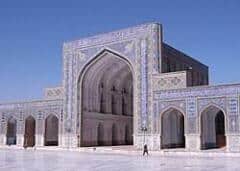
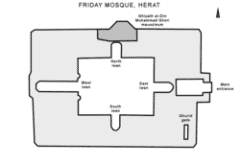
Figures 5 & 6: Interrior iwan and roof plan of the mosque.
Source: https://en.wikipedia.org/wiki/Great_Mosque_of_Herat
The Grand Mosque of Herat is one of the masterpieces of Timurid and Islamic architecture in Central Asia. Its beauty comes from combination of history, geometry, color, and craftsmanship that developed over many centuries. The mosque is famous for its courtyard, soaring iwans and richly decorated minarets. Covering a vast rectangular area, 180 meters by 120 meters the mosque follows the four-iwan plan common in Persian and central Asian Islamic architecture.
The Courtyard Design: The vast courtyard is a breathtaking architectural space where locals and worshippers gather and like many traditional Islamic mosques, the Grand Mosque of Herat is built around a spacious open courtyard surrounded by arcades and prayers halls, creating balance and harmony in the space.
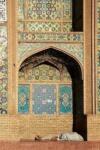
Majestic Iwans and Arches: The open courtyard is framed by four-monumental iwan arrangement gives a structural grand and spiritual atmosphere, serving as spaces for meeting and teaching, the symmetry of these elements is a key part of Islamic architecture aesthetics. The southern iwan of The Grand Mosque of Herat is one of the mosque’s most impressive architectural features. Facing the Qibla direction toward Mecca, serves as the main prayer entrance.
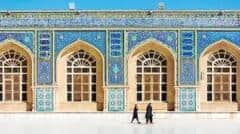
This iwan is admired for its grand scale, elegant arches, and rich decoration of turquoise and blue tilework. Covered with Quranic calligraphy, it reflects the artistic mastery of the Timurid era. The structure not only enhance the beauty of the mosque but also symbolizes the spiritual importance of the prayer hall behind it. Over centuries, southern iwan has been restored several times, preserving its role as a centerpiece of the mosque’s architectural and religious identity.
ایوان جنوبیاش چو بهشت
غرق نقش و نگارِ آسمان
گویی از دستِ هنرمندانِ عشق
مانده یادگار بر این جهان
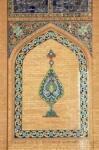
Figures 7 & 8: Ornamental architecture of the arches and iwan.
Source: https://www.alamy.com/herat-in-western-afghanistan-the-great-mosque-of-herat-friday-mosque-or-jama-masjid-detail-of-mosque-tiles-with-mosaics-and-quranic-calligraphy-image499208815.html
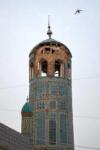
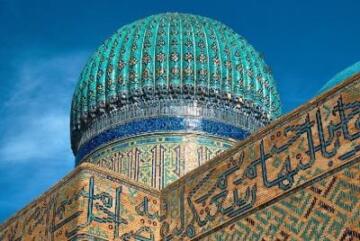
Minarets and Domes: The mosque’s minarets and domes create a striking skyline. Their proportions and ornamentation demonstrate sophisticated engineering and artistic vision. The mosque originally possessed numerous minarets, though several were destroyed over eras of warfare and earthquakes. The surviving minarets remains elegant examples of Timurid vertical design, adorned geometric patterns and glazed tiles.
The domes, though less dominant than those of some Persian mosque, contribute to the harmony of the structure. Their turquoise and blue coloring reflects the broader Timurid aesthetic tradition visible throughout region.
Figures 9 & 10: The minaret and the blue dome.
Source: https://en.wikipedia.org/wiki/Great_Mosque_of_Herat
Artistic Significance
The Grand Mosque of Herat occupies a distinguished place in the history of Islamic art and architecture. It reflects a synthesis of Persian, Central Asian, and local Afghan traditions. Several artistic features are especially noteworthy:
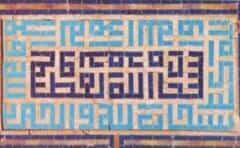
Calligraphic Excellence: Islamic calligraphy occupies a central role in the decorative program. Verses from the Quran are woven into the architecture through elegant Arabic calligraphy, blending art with spirituality. The inscriptions demonstrate mastery of Arabic and Persian calligraphic styles, emphasizing the Islamic belief in the sacred power of the written word. The craftsmanship demonstrates the high sophistication of Timurid artisans, whose influence extended into Persia, the Ottoman Empire, and Mughal India.
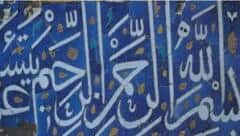
Figures 11 & 12: Calligraphic ornamental tilework.
Source: https://specialtopicsinreligionuno.wordpress.com/the-great-mosque-of-xian/
Tile Work and Decoration: Perhaps the mosque’s most remarkable feature is its dazzling tile work. The walls, arches, and facades are covered in intricate mosaics composed of blue, turquoise, white, yellow, and green glazed tiles. The geometric and floral patterns reflect classic Timurid artistic style.
These decorations include:
- Geometric pattern
- Floral arabesques
- Quranic calligraphy
- Complex star motifs
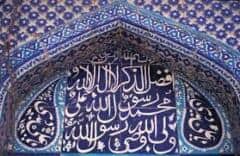
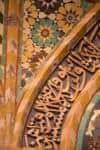
Figures 13 & 14: Quranic calligraphy and floral motifs.
Source: https://specialtopicsinreligionuno.wordpress.com/the-great-mosque-of-xian/
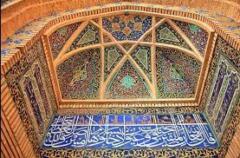
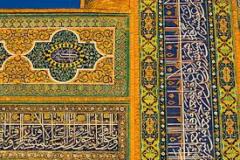
Figures 15 & 16: Quranic calligraphy and floral arabesques.
Source: https://pictures.traveladventures.org/images/it/herat-jama-masjid05
Religious and Social Importance
As a congregational mosque, the Grand Mosque has long served as the religious heart of Herat. Friday mosques in Islamic cities traditionally functioned not only as places of prayer but also as centers of education, public gathering, legal discussion, and political communication. For centuries, scholars taught theology, jurisprudence, philosophy, and literature within the mosque complex. Students and travelers from across the Islamic world visited Herat, contributing to its reputation as a center of learning. The mosque also played an important civic role. During times of political transition, rulers used Friday sermons to assert legitimacy and communicate authority. Thus, the mosque became deeply intertwined with governance and public life.
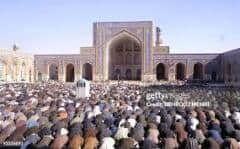
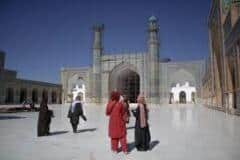
Figures 17 & 18: Views from the interior grand courtyard of the mosque.
Source: https://www.facebook.com/globalllama/posts/a-beautiful-old-tile-making-place-behind-the-friday-mosque-in-herat-afghanistan-/1387128806748935/
Destruction, Restoration, and Preservation
The Grand Mosque has endured repeated cycles of destruction and renewal. Invasions, civil wars, earthquakes, and neglect damaged parts of the structure over time. During the Soviet-Afghan War and later conflicts, the mosque faced serious threats. Restoration efforts intensified during the late 20th and early 21st centuries, involving Afghan craftsmen, international conservation organizations, and cultural heritage specialists. One challenge of restoration has been balancing preservation with reconstruction. Some critics argue that excessive modern replacement of tiles risks diminishing historical authenticity, while supporters emphasize the necessity of preserving the mosque’s visual and spiritual integrity.
Traditional artisans have continued to produce tiles using historical methods, helping sustain ancient craft traditions associated with the mosque.
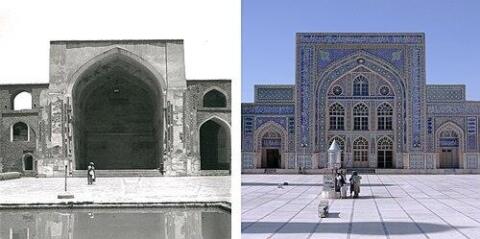
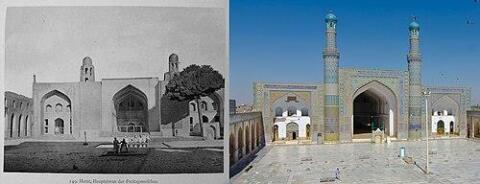
Figures 19 & 20: The Grand Mosque of Herat, Courtyard view of northern iwan: 1934 compared to 2004 after reconstruction.
Source: https://www.archnet.org/sites/3931
Symbolism and Cultural Identity
For many Afghans, the Grand Mosque of Herat symbolizes national resilience and cultural continuity. Despite centuries of conflict, the mosque remains active and vibrant.
It also represents Afghanistan’s often-overlooked historical role as a major center of Islamic civilization. Discussions of Afghan history frequently focus on war and political instability, yet monuments like the Grand Mosque reveal a much deeper legacy of scholarship, creativity, and artistic achievement.
The mosque’s beauty has inspired poets, historians, travelers, and architects for generations. It stands as evidence that Afghanistan was once among the world’s leading cultural crossroads.
Comparison with Other Islamic Monuments
The Grand Mosque of Herat possesses a distinctive character shaped by Afghan and Timurid aesthetics. Its layered history gives it a unique authenticity and emotional depth. A comparison of the Grand Mosque of Herat with other major Islamic architectures such as: Masjid-i-Shah in Iran, and Registan in Uzbekistan is presented below:
Registan Square in Uzbekistan: ریگستا ن
Registan is the historic heart of Samarkand now in Uzbekistan, and one of the most famous architectural ensembles in Central Asia. It consists of three magnificent madrasas surrounding a large public square, distinguished by their grand portals, turquoise domes, and intricate mosaic tilework. Built between the 15th and 17th centuries, the Registan reflects the artistic and cultural achievements of the Timurid era and remains a symbol of Uzbekistan’s rich Islamic heritage.
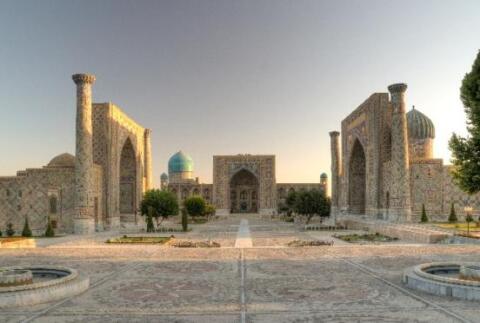
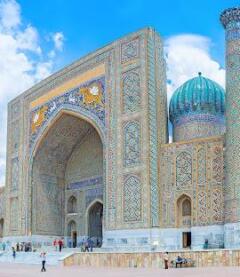
Figures 21 &22: Exterior views from Registan Square, Samarkand, Uzbekistan.
Source: https://www.odysseytraveller.com/articles/registan-square/
Masjid-i-Shah (Imam Mosque): Is a masterpiece of Safavid Architecture built in early 17th century under Shah Abbas. Located in Isfahan, it features a traditional vaulted four-iwan courtyard plan, a grand turquoise dome, soaring minarets, and extensive seven-color tile work. The building is renowned for its majestic double-shelled turquoise dome, elegant calligraphy, intricate geometric patterns, and excellent acoustics, where sound reverberates beneath the dome, enhancing the experience of prayer and recitation. Together with Naqsh-Jahan Square making it one of Islamic the finest architecture in Iran.
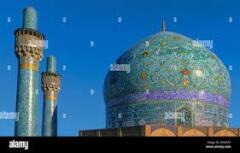
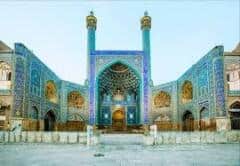
Figures 23 & 24: Exterior views from Masjid-i-Shah, Isfahan, Iran.
Source: https://www.alamy.com/stock-photo/masjid-e-shah-mosque-isfahan.html
Conclusion
Even though, The Grand Mosque of Herat stands as one of the finest achievements of Islamic architecture; it is far more than an architectural monument–it is a living testament to the endurance of faith, art, and civilization across centuries of upheaval.
Through its monumental architectural design, magnificent tile work, and historic significance, embodies the intellectual and spiritual richness of Islamic culture in Central Asia.
More than a place of worship, the mosque reflects the artistic creativity, engineering skill, and spiritual values of the people who built and preserve it through centuries of change and conflict.
Over the ages, earthquakes, wars, and restoration have changed part of the mosque, but it remains one of Afghanistan’s greatest cultural and religious landmarks. Its survival through invasions, destruction, and political turmoil reflects resilience not only for the structure itself, but also for the people who continue to preserve and cherish it. As one of the greatest cultural treasures of Afghanistan, the Grand Mosque of Herat remains an enduring symbol of beauty, devotion, and historical continuity. Its architecture represents both devotion and the high artistic achievements of the Islamic world. Furthermore, it continues to inspire admiration around the world, proving how architecture can preserve history, express faith, and unite generations through beauty and design.
References
- Archent-for Islamic architecture
- Masjid-i-Jami (Wikipedia)
- https://www.odysseytraveller.com/articles/registan-square/
- UNESCO WORLD HERITAGE TENTATIVE
- https://www.archnet.org
- https://s3.southeast-1.wasabisys.com
- Broug, Eric (2013) Islamic geometric design
- The Great Mosque of Herat (Wikipedia)
Arch. Tooba Roshan Biography
After finishing Zarghoona High School in Kabul, I attended the Faculty of Engineering, Department of Architecture in 1979. In 1983, I moved from Kabul, Afghanistan where I spent the first twenty years of my life in the U.S. For several years after working with different remodeling and new construction builders, in 1994, my husband and I started to work from our home. Subsequently, in 2000, we founded AR Architecture Group, providing architecture service in Maryland and Virginia. In 2015, we expanded our service to design build and added TR Construction Group to our firm. Unfortunately, in October 2017, my beloved husband, my life, and business partner passed away, RIP. To keep his legacy alive, I assumed the dual role of leading an architectural practice and a construction company.
Today, I am the Principal Designer at AR Architecture – TR Construction Group. We design and build custom homes, restaurants, shopping centers, assisted living facilities, in Maryland and Virginia. Most of our projects are in Bethesda, Davidsonville, Baltimore, and Stafford.
As a child of academic parents, receiving an education meant the world to me. I truly believed in the power and value of education. Therefore, all these years, I attended community college as a part time student while working to grow my business. Finaly in 2002, I received my Associate’s degree from Anne Arundel Community College, and in 2009, I received my Bachelor’s degree in architecture and interior design (summa cum laude, Dean’s List) from Howard University. In 2017, I begun graduate studies at Saint John School of Liberal Arts, which I had to drop the classes to take care of our family. I am the Vice President of Society of Afghan Engineers and Faculty Member with Afghan Architecture Studio. My specialties include Auto CAD, space planning, and construction project management.
Readers’ Comments and Responses
The Editorial Board of the SAE e-Newsletter invites comments and suggestions from our Society members and readers. Your feedback and responses may be shared with all readers in future editions of the SAE eNewsletter.
Comment: Dr Hossaini
Dear Professor, Bashir Kazimee, AIA Editor-In-Chief SAE eNewsletter, Asallam- O- Alaikom, I hope you are in good health and spirits. I acknowledge receiving your email, regarding “the 2026 quarterly update on the activities of the Society of Afghan Engineers (SAE), featured in Volume 17, Issue 1 of the SAE eNewsletter.” As I see more and more attraction has been created in the SAE e- Newsletter. I wish you more success from God Almighty. I, in turn, extend my heartfelt congratulations and best wishes to you and all friends on the new solar year and the new lunar year, and I wish you good health and well-being. Again, thank you and Editorial subcommittee, for kind efforts and volunteers. Sincerely
Response: Bashir Kazimee, AIA
Thank you, Dr. Sahib Hossaini. Your approval of the newsletter and your kind words mean a great deal to us. I also extend my warm congratulations and best wishes to you and your respected family for a healthy and joyful Lunar New Year. Best, regards,
Comment: Atta Arghandiwal
Salam Mohtaram, hope you and your families are all doing well. Thank you for including me in your distribution and for adding value to my experience. I love the newsletter and always look forward to learning and becoming aware of interesting projects. I will shortly share some initial pieces of the upcoming book “The Self-Sufficient Immigrant” in the Age of AI that I am coauthoring with a young Afghan talent to help our Afghans and other migrants remain successful and navigate the upcoming progress and space. Best regards
Response: Bashir Kazimee, AIA
Mohtaram Arghandiwal Sahib, I am very pleased to hear that you received our newsletter and found it useful and valuable. I also extend my congratulations in advance on your upcoming book, Self-Sufficient Migrants. Wishing you great success with its publication. Best regards,
Comment: Tooba Roshan
Muhtaram Professor Kazimee Saheb, Salaam!
I would like to take this opportunity to express my sincere gratitude for the incredible work you and the editorial team have done in producing SAE eNewsletter. Each edition is thoughtfully curated, engaging, and consistently informative. It’s both enjoyable and insightful to read, and I genuinely look forward to receiving each issue. Furthermore, I would like to sincerely thank you for publishing my essay in the newsletter. It is truly and honor to have my work included. Seeing my essay featured alongside other thoughtful pieces is both encouraging and motivating. Once again, thank you for your support and for providing this platform!
Response: Bashir Kazimee, AIA
Dear Tooba Jaan: Thank you for your kind email. I’m delighted to hear that you found the newsletter and its content thoughtfully engaging and informative. I would also like to thank you for your wonderful contribution, “Afghanistan’s Architectural and Historic Treasures.” I’m confident it will be a valuable and enriching resource for our members to read. Best regards,
Comment: Howaida
Dear Kazimee sahib, Congratulations! Appreciate your usual efforts, Wish you all the best. Regards
Response: Bashir Kazimee, AIA
Dear Howaida Sahib, thanks for your note, I appreciated your kind response. Regards
Job Opportunities
(Disclaimer: The views expressed in this section are those of the PLANET Management Group. References to agency products or services do not constitute an endorsement by SAE.)
Planate Management Group LLC is pleased to list the current job opportunities for the upcoming period. Interested candidates may contact the recruitment manager directly for additional information. To explore the available opportunities below. Click on any position to view the full job details.
- Quality Control Manager (Gaithersburg, MD)
- Civil/Structural Engineer (Indian Head, MD)
- Industrial Hygienist (Grand Junction, CO)
- Project Manager (Bay Pines, FL)
- Construction Manager (Bay Pines, FL)
- Construction Project Manager (Hybrid)
- Housing/Residential Construction Manager (Mosca, CO)
- Cost and Price Estimator (Hybrid)
- Senior Architect/Engineer (Miami, FL)
- Mechanical Plumbing Engineer (Miami, FL)
- Construction Manager (Gainesville, FL)
- Design Manager (Reno, NV)
- Senior Architect (Chicago, IL)
- General Engineer (Long Beach, CA)
- Architect (Long Beach, CA)
Very Respectfully,
Mapet
Marise D. Santos, CRSP
Senior Recruiter
Planate Management Group, LLC
1800 Diagonal Road, Suite 600
Alexandria, VA 22314
www.planate.com

A Service-Disabled Veteran-Owned Small Business (SDVOSB)
The Society of Afghan Engineers Office Holders
SAE Executive Committee Members:
- President: Jalal Masumi
- Vice President: Tooba Roshan
- Treasurer: Mahjan Saleh
- Secretary: Gul Afghan Saleh
SAE Board of Directors-Officers: A. Manan Khalid (Chainman), Ghulam Mujtaba (Vice Chairman)
SAE Board of Directors: Ghulam Mujtaba, Sharif Hossainy, Manan Khalid, Yar Mohabbat, Amanullah Mommandi, Hadi Rakin, Hashim Baluch, Ghulam Feda, and Zabi Zaca
SAE Past Presidents: Najim Azadzoi (2021-2023), Atiq Panjshiri (served two consecutive terms (2015-2020), Ghulam Mujtaba (2011-2014), Abdul Hadi Rakin (2008-2010), M. Quasem Kadir 2007-2009), Abdul Hadi Rakin (2004-2006), Mohammed Hashim Rayek (2001-2003), Ahmad Wali Shairzay (1998-2000), Sohaila Sanie Shekib (1995-1997), and Malik Mortaza (1993-1994)
SAE Representative in Afghanistan: Ahmad Walid Howaida
SAE eNewsletter Editor-in Chief: Bashir Kazimee, AIA
SAE eNewsletter Editorial Board Members: Dr Gul Afghan Saleh Ph.D., A. Manan Khalid, M.S., P.E., LEED AP, and Eng. Amanullah Mommandi, M.S., P.E.
SAE eNewsletter publication Website: https://afghanengineers.org/publication/
Subscribe/Unsubscribe: The subscription to the SAE e-Newsletter is free. If you are not receiving the SAE eNewsletter directly and would like to subscribe, please send a note to: bashirkazimee@gmail.com with the subject “Subscribe: SAE eNewsletter”. To unsubscribe, send a note with the subject “Unsubscribe: SAE eNewsletter”.
Disclaimer: The author, reporter, or agency of each publication, project, news, and products is included in this newsletter. Additional contact information of the authors and their agencies are available with the Editorial Board of the newsletter and may be provided upon request. The Editorial Board of the Society of Afghan Engineers, Executive Committee, Board of Directors, or any of its members are not liable for the accuracy or contents of the information. The reports and information are included as provided by the authors and agencies without any changes in the substance of the documents. The information about the agency products or services is not the SAE endorsement.