SAE Newsletter – 2026-10 – Volume 17, Issue 3
Explore the Q3 2026 Society of Afghan Engineers (SAE) eNewsletter. Dive into highlights from the Toronto General Assembly, updates on the TAPI pipeline, and expert articles covering Afghanistan’s architectural identity, hydrogeology, and economic development.
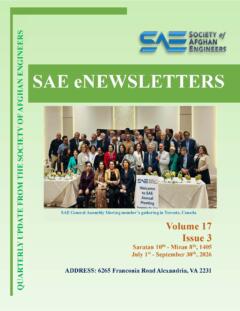
Saratan 10th – Mizan 8th, 1405
July 1st – September 30th, 2026
ADDRESS: 6265 Franconia Road Alexandria, VA 2231
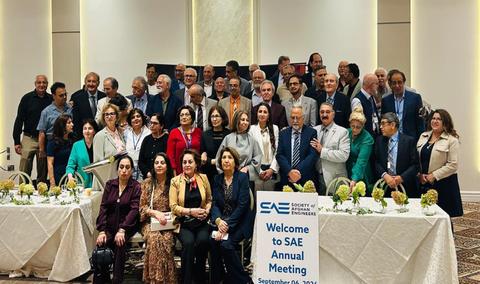
TABLE OF CONTENTS
| 1. Message from the Editor-In-Chief | 2-3 |
| 2. President’s Greetings | 4 |
| 3. General Assembly Meeting | 5-6 |
| 4. Message from the Chairperson of the Board of Directors | 7-8 |
| 5. News from Afghanistan | 9-12 |
| 6. Member’s News | 13-15 |
| 7. AEBT-SAE Online Education Program | 16-20 |
| 8. New Book: “The Self-Sufficient Immigrant in the Age of AI: A Field Manual for the Work of Standing Again,” by Atta Arghandiwal & Sohrab Rasouli | 21-22 |
| 9. “Afghanistan’s Architectural Crossroads: Between Imitation and Identity,” by Mustafa Karimi, PhD | 23-30 |
| 10. “The Zamzam Well: Hydrogeology, Water Chemistry, and Analytical Findings,” by Abdulwahid Alami, P. Eng. Canada | 31-35 |
| 11. “Moving Afghanistan Forward,” by Dr. Edward Corcoran | 36-37 |
| 12. Readers’ Comments and Responses | 38-39 |
| 13. Membership Application Renewal Form | 40 |
| 14. The Society of Afghan Engineers Office Holders | 41 |
I am pleased to present the quarterly update on the activities of the Society of Afghan Engineers (SAE) through Volume 17, Issue 3 of the SAE eNewsletter. This issue of September 30th 2026 corresponds with the month of Mizan, 1405 in the Hijri Shamsi calendar. The Editorial Board extends its warmest wishes to all our members and wishes you a beautiful fall season filled with joy, prosperity, productivity, and good health.
This issue of SAE eNewsletter features the latest events at the SAE and other activities of interest to our members. Featured topics include messages from Mr. Jalal Masumi, the Society’s President, Eng. Abdul Manan Khalid, Chairman, Volume 17, Issue 3 3 of the Board of Directors, as well as membership news.
Among the many outstanding activities of our Society this quarter was the 3rd Reunion of Afghan Engineers and Architects Alumni, held in Toronto, Canada, in September 5, 2026, which brought together nearly 200 participants. GAM-26 played an important role in elevating the reunion and advancing SAE’s mission by helping foster professional camaraderie, strengthen connections among members and colleagues, and celebrate our shared professional heritage. The event provided a meaningful opportunity to honor our common legacy while building a stronger sense of community and professional connection among participants. It provided a wonderful opportunity for participants to reunite, share memories, and exchange professional experiences. I extend my sincere congratulations to the leadership and members who organized this memorable event, along with my deepest appreciation for their hard work, dedication, and commitment to bringing our professional community together.
We are pleased to include an abstract of the newly published book entitled “The Self- Sufficient Immigrant in the Age of AI,” submitted by Mr. Atta Arghandiwal & Mr. Sohrab Rasouli in this issue. Furthermore, we invited esteemed authors and contributors to share their valuable knowledge and experience with our readers. We hope you enjoy and appreciate their contributions.
Dr. Mustafa Karimi’s article: “Afghanistan’s Architectural Crossroads: Between Imitation and Identity,” observes that the development of contemporary architecture in Afghanistan, shaped by increased exposure to international architectural styles, has contributed to an architectural condition characterized by uncertainty, fragmentation, and an ongoing search for identity. He concludes that this condition raises important questions about the future direction of architecture in Afghanistan and the roles that architects, educators, builders, and policymakers must play in shaping a more coherent, contextually responsive, and sustainable built environment.
The article by Eng. Abdulwahid Alami: “The Zamzam Well: Hydrogeology, Water Chemistry, and Analytical Findings,” discusses not only the religious and historical significance of the Zamzam Well but also focuses particularly on what has been documented to date regarding the well’s physical setting and the measurable properties of its water.
Dr. Edward Corcoran’s brief discussion on “Moving Afghanistan Forward,” emphasizes practical approaches to promoting economic development in Afghanistan. In this context, he highlights the potential role of the Society of Afghan Engineers (SAE) and other organizations committed to supporting Afghanistan as positive and constructive forces in advancing the country’s economic development, infrastructure, and long-term stability.
Finally, I would like to express my sincere appreciation to Dr. Gul Afghan Saleh, Eng. Amanullah Mommandi, and Eng. Abdul Manan Khalid for their dedication and hard work as members of the Editorial Board. I am also deeply thankful to Eng. Jalal Masumi, the President of the Society, for his unwavering support, which has played a pivotal role in the continued success of this publication. I hope that you find the newsletter interesting and useful.
Truly yours,
Bashir Kazimee,
AIA Editor-In-Chief
President’s Message
Dear Society Members and Friends,
As fall season begins, the current SAE administration enters the final three months of its term. The Election Committee responsible for conducting the 2026 elections is working diligently and has twice extended the nomination deadline for the next term’s officers. I encourage all SAE members to participate in the election and vote for our Society’s next leadership team. I look forward to reporting on the election outcome in the next issue of our Newsletter.
Two important gatherings took place in Toronto, Canada, in early September.
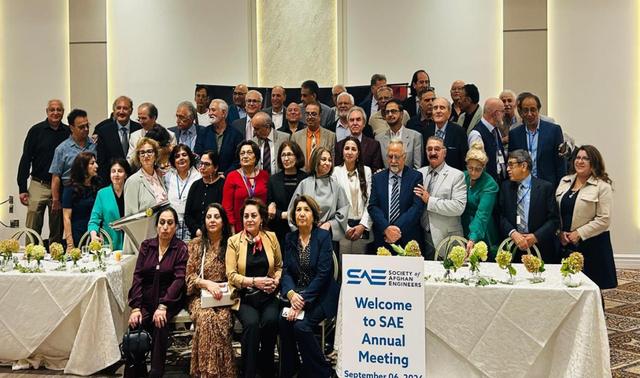
One was the Architects and Engineers Alumni Reunion for 2026 held on September 5th. Hosted and organized by Afghan Canadian Engineers & Architects and sponsored by the Society of Afghan Engineers, the warm and friendly event brought about longtime friends and colleagues together (counting 220 persons to include significant other loved ones) to share memories and hopes for the future. Participants responded enthusiastically, expressing warmth, friendship, and strong support for the continuation of such reunion(s) in the years ahead.
The other was the Society’s annual General Assembly Meeting (GAM) convened on September 6th. SAE management scheduled the GAM alongside the Alumni Reunion to enable in-person participation. Details of the GAM, a featured SAE event, are provided elsewhere in this Newsletter bulletin.
I wish each and every one of you colleagues and friends (and your loved ones) happiness and tranquility.
Jalal Masumi
SAE President
General Assembly Meeting Report
By: Jalal Masumi
Section 2.10 of the Society’s bylaws stipulates that annual meeting of the Members (referred to as GAM) shall be held each year at the place, date, and time determined by the Members or the President. Knowing that reunion of Afghan architects & engineers alumni was being held in Toronto, Canada (under auspices of Afghan-Canadian Architects & Engineer), SAE executive team determined that convening GAM 2026 alongside the Reunion was appropriate. SAE Board of Directors concurred with this determination.
SAE President email of June 17, 2026 informed members of the venue that GAM 2026 was going to be held, and encouraged participation.
Accordingly, GAM 2026 was held in Sangan Banquet Hall, Toronto, Canada from 11:30 am to 4:00 pm on Sunday September 6, 2026. Moderated by SAE Vice President, Arch. Mrs. Tooba Roshan, the event began with recitation of verses from the Holy Quran by Eng Abdul Wahid Alami. Mrs. Roshan then welcomed the audience. She next paid tributes to those in the Afghan engineering community who had departed the earthly life in the past year, and then introduced the GAM agenda. She then called on SAE President Mr. Jalal Masumi to present a status report on the Society’s performance during 2026. Two technical presentations next give respectively, by Eng Ghulam Mohammad Feda on “Afghanistan’s Coal Mines and Electric Power Generation”, and by Dr Gul Afghan Saleh on “Collaborative Knowledge Platform to Connect Afghans Expertise for a Sustainable Future”. The two presentations were well received by the audience, eliciting congenial and professional questions and answers.
Next agenda item entailed joint recognition by the Society of Afghan Engineers (SAE) and Afghan Education for a Better Tomorrow (AEBT) of the efforts by architect and engineer members who had developed teaching material and delivered online education to the young female and male architects and engineers residing in Afghanistan who attended online classes. Certificate of Recognition for the valuable service rendered by members who had contributed in online teaching were presented to Gul Afghan Saleh, Tooba Roshan, Manan Khalid, Amin Mahmood, Aisha Hakimi, Yusuf Afrooz, Najim Azadzoi, and Homayoun Ibrahim. Those not physically in attendance included Mehrangaze Danishwar, Amanullah Mommandi, Bashir Kazimee, Mehdi Sabet, Maryam Ahmadzai, and Walid Howaida.
The moderator then announced a lunch break. The banquet hall’s catering team provided the attendees with very delicious buffet service.
After lunch, the GAM session resumed. Tooba Roshan invited Eng. Nazeer Babacarkhail, chair of the Election Committee, to provide an update on the Committee’s work related to the 2026 elections. Mr. Babacarkhail did so and encouraged attendees to participate actively in the elections.
The next agenda item again involved two technical presentations. One prepared and delivered by Eng Manan Khalid covered “Forensic Engineering” in which he highlighted the essentials of forensic engineering, and provided application of those essentials through an example related to a multistory building collapse in Florida in 2021. Dr Yar Taraky was the final presenter whose presentation covered Water Resources Management and Development. It highlighted a new approach to water management with respect to technical, political, and social aspects involved. He introduced fuzzy logic methodology as an art of management, created by a contemporary engineer from Azerbaijan (Dr Lutfi) who employed methodology of fuzzy linear programming. The audience seemed very interested in both presentations as evident from the Q & A that took place following each.
Towards the end, the moderator invited SAE Board Chairman Eng. Manan Khalid to provide an overall assessment and closing remarks. Mr. Khalid described GAM 2026 as a well-organized gathering and noted that coordinating the GAM and Reunion schedules was an effective practice that could be continued in the future.
In conclusion, GAM 2026 was a successful and well-received gathering attended by approximately 50 people, including both SAE members and nonmembers. During the event, Engineer Ahmad Shah Durani kindly presented the hard copy of a book that he has authored – titled THE LEADERSHIP ZONE – as a gift to SAE. Upon my request, he provided a digital copy as well that you may access here. Also, during the event, Ms. Meena Ghalib, Mr. Abdul Wahid Alami, and Mr. Khalil Sikander joined the Society as new members. The generous contributions of three members were especially noteworthy: Dr. Latif Mahjoob donated $1,205, Eng. Parwin Sarwary donated $500, and Mr. Khalil Sikander donated $200.
Message from the Chairperson of the Board of Directors
Reuniting Afghan Architects and Engineers
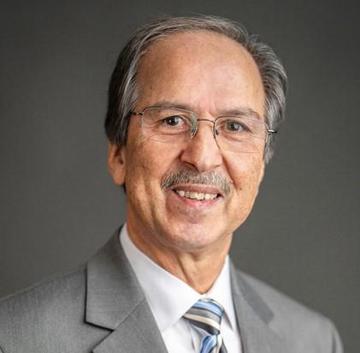
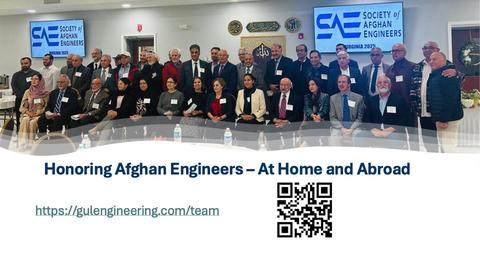
For the past three years, a wonderful tradition of bringing Afghan architects and engineers together has been taking shape. These gatherings have been organized by teams of our colleagues with remarkable professionalism, creating an atmosphere that is both joyful and welcoming. The first gathering was held in Los Angeles, the second in Virginia, and the third, held during the first week of September this year, took place in Toronto, Canada.
A tremendous amount of effort goes into organizing these events—from selecting an appropriate venue and arranging excellent food to creating an atmosphere of friendship, music, and celebration. These are not small undertakings, and the dedication of the organizers deserves our sincere appreciation.
For the past two years, the Society of Afghan Engineers (SAE) has also taken advantage of these gatherings to hold its General Assembly Meeting, as mandated by the bylaws, on the second day of the event. In addition to reporting on the Society’s activities during the year, members have presented on important technical and developmental topics that have the potential to benefit our beloved Afghanistan. These presentations have been very well received by the audience, and it is hoped that they can be further developed and followed up for practical use in Afghanistan.
A heartfelt thank you and appreciation are owed to all those who organized and contributed to these meetings and gatherings.
One of the major accomplishments of these events—particularly the General Assembly meetings—has been the increased visibility of SAE. They have brought the mission and cause of this noble organization to the forefront and have given SAE a much more visible and tangible presence. More members are joining, interest continues to grow, and curiosity about the Society has increased. We are already hearing from members and nonmembers who are asking how they can contribute and help in whatever way they may be able.
Given the conditions on the ground in Afghanistan, online education has become SAE’s flagship activity, and it continues to grow. With the support of AEBT (Afghan Education for a Better Tomorrow) and the tireless efforts of its founder, Eng. Feda, we hope that more and more Afghans will have access to knowledge and education that can help them, their families, and ultimately their country.
One more person educated means one more family with greater opportunity, hope, and a better future.
During these gatherings, I had the opportunity to meet a great number of highly skilled, educated, and accomplished colleagues. Many of them have the knowledge and experience to make a meaningful contribution to our online education program. It does not necessarily require a major commitment— just an hour or two of your time each week can make a difference.
I encourage our colleagues to consider sharing their knowledge and expertise. What may seem like a small contribution of your time can have a lasting impact on someone’s life and, collectively, on the future of our country.
Sincerely,
Abdul Manan Khalid, P.E., LEED (BD+C)
Chairman, SAE Board of Directors
News From Afghanistan
1. Quarterly reports by Eng. Walid Howaida, SAE Representative in Afghanistan
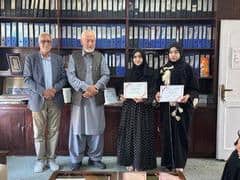
On July 9, 2026, civil engineering students and practicing civil engineers who had attended the Civil Engineering CODE’s online lectures delivered by Ustad Amin Mahmood received their certificates in Kabul. The certificate distribution ceremony was coordinated by Eng. Howaida.
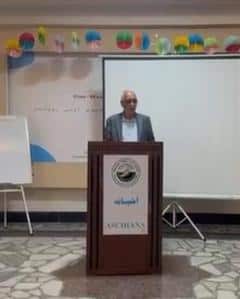
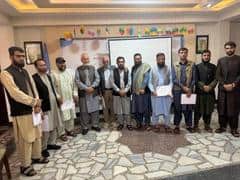
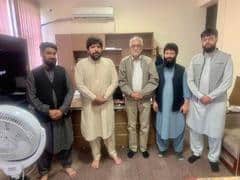
On 25th July I met Mr. Ahmad Faayeq Tasal the Director General of Infrastructure directorate of Kabul Municipality and his technical team in Kabul. The infrastructure directorate of Kabul Municipality is the busiest department of the Kabul Municipality. This department is responsible for building roads, bridges, canals, sewage systems and flyover/overpasses. Currently, they are building 3 flyover/overpasses and planning to build 5 more in 2027.
When I asked about any technical support needed from SAE, they expressed interest in different capacity- building programs related to their respective fields of work. I also shared some research studies that had previously been received from SAE members, which they appreciated.
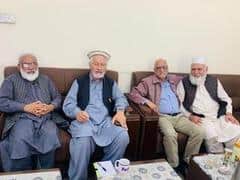
During the month of July, I regularly attended online lectures by SAE members in Architectural and Civil engineering topics to Afghan engineers in Afghanistan.
In June 2026, Ustad Amin Mahmood visited Kabul and asked me to coordinate meetings with civil engineering institutes as well as the Ministry of Public Works. The agenda for the meetings with the engineering institutes focused on identifying ways to strengthen their institutional and technical capacity.
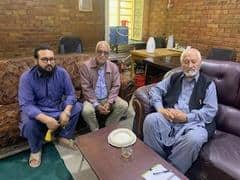
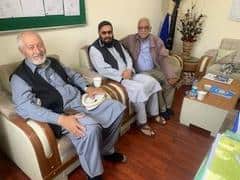
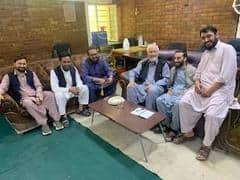
Based on a request from Masumi Sahib, I contacted several professors from the Polytechnic University and faculties of engineering to obtain a report on the International Water Conference held at Kabul Polytechnic University. However, I have not received any documents yet. I will follow up again and try to find additional sources.
2. Courtesy of Jeffrey Greico, President of AACC (Afghan American Chamber of Commerce), who visited the project site in Herat in June 2026. However, he requested to share with SAE members but ask them not to post to any social media sites please.
- TAPI Pipeline Update by TAPI Pipeline Lead Engineer in Herat Office:
AACC met with the TAPI pipeline lead engineer in Herat, Afghanistan during the Herat visit. He reported that the TAPI pipeline, as a project, started in December 2024.
- The project is proceeding on schedule with a total number of Afghan employees of about 620, plus a large number of Afghan subcontractor employees as well. Subcontractors include pipeline maintenance, well drilling and other services.
- Interestingly, water wells are drilled near the pipeline to help build water pressures within the pipeline and help forward the gas within the pipeline.
- They reiterated that the TAPI pipeline will be completed on schedule by December 22, 2026, but this will complete this phase of the project which totals more than 250 KM. This segment will end near Herat’s suburbs, in an area entitled “Industrial City.” So far 125 KM of the TAPI is now open and being used. More than 80 KMs of that completed first segment was completed inside Afghanistan.
- The Prime Contractor for TAPI is the Turkmen Gas Company and Afghanistan’s “TAPI Pipeline Company” is a subcontractor, which is a state-owned Afghan company (thus controlled by TIA). The TAPI engineer said that TIA has been very supportive of the project.
- The Afghan National Gas Company will sell the TAPI gas sourced from Turkmenistan.
- TAPI Segment #2 will be announced soon with potential for both private and public bidders, to be determined after further negotiations between Turkmenistan and TIA.
Here are the expected segments for the completion of all phases of the TAPI:
- Segment 1: Turkmenistan to Herat (in process);
- Segment 2: Herat to Farrah;
- Segment 3: Farrah to Helmond;
- Segment 4: Helmond to Kandahar; and
- Segment 5: Kandahar to Pakistan.
Action Item: AACC proposed to conduct a Zoom briefing on the TAPI project on October 5-15, 4th quarter 2026, and will include updates on TAPI procurement bid opportunities. More to come on this event.
Member’s News and Accomplishments
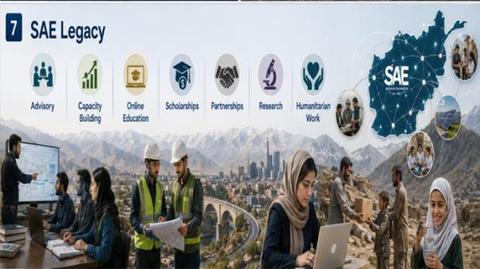
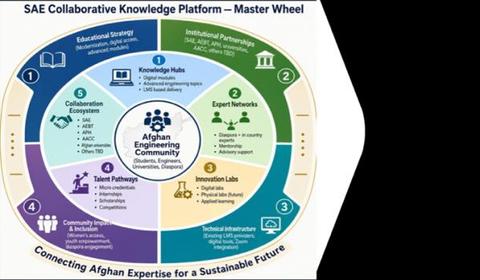
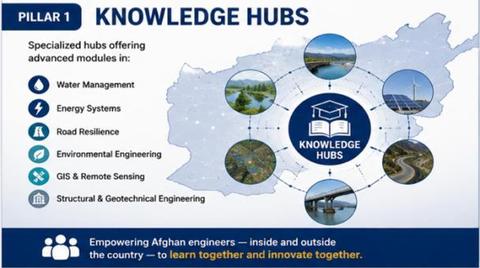
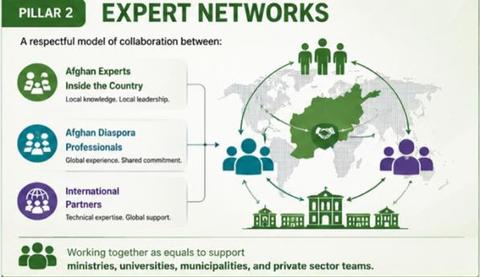
Dr. Gul Afghan Saleh Slide Presentation at SAE GAM-26
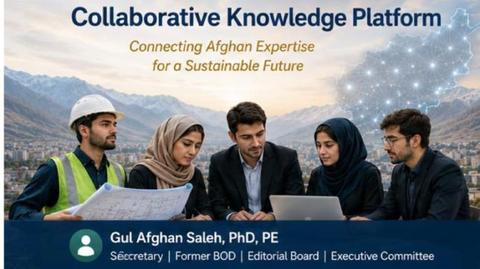
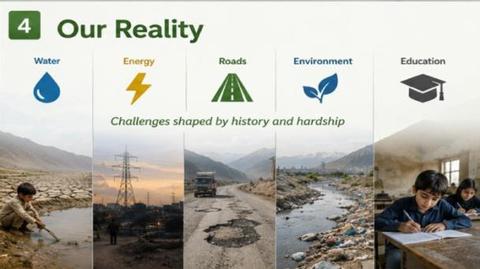
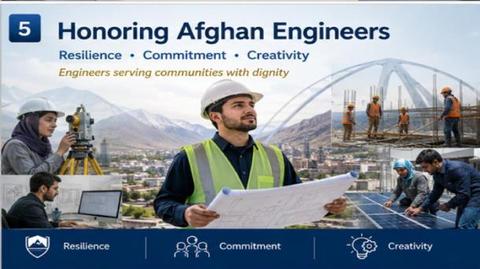
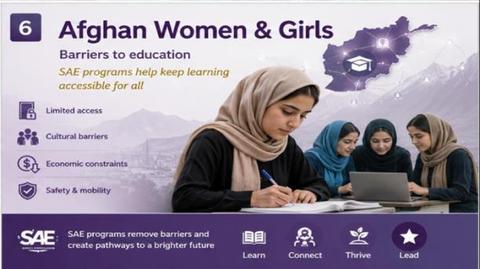
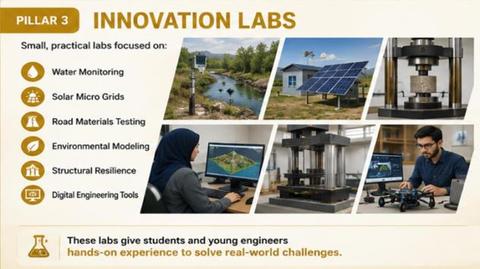
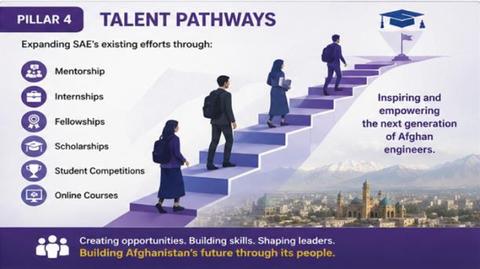
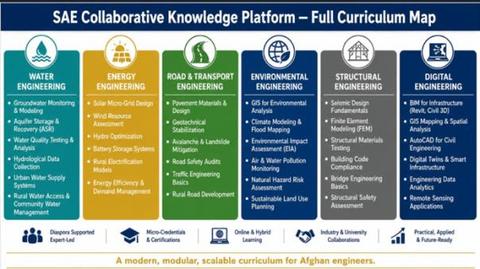
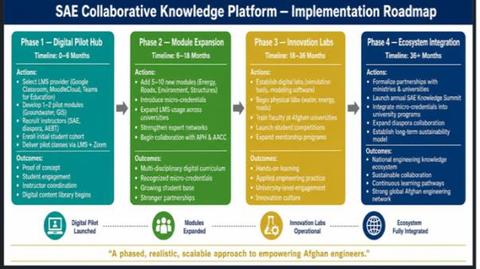
This presentation, prepared by Dr. Gul A Saleh, was first shared at SAE GAM-26 as a strategic vision for the future of the Society of Afghan Engineers (SAE) and its collaboration with AEBT on online education. It has been selected for publication in this newsletter because it offers a concrete, actionable roadmap for how SAE can strengthen its global role in education and better serve Afghan engineers, students, and professionals across multiple countries.
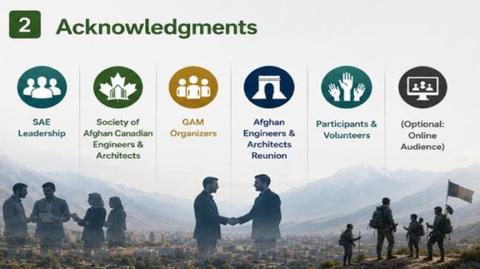
The slides lay out a 1–3+ year roadmap focused on building a sustainable, scalable, and realistic online education program under the SAE–AEBT partnership. They address key questions that many members share: How can SAE move from ideas to implementation? How can we expand access to quality technical content for Afghans worldwide? And how can this be done in a way that is practical, affordable, and aligned with SAE’s mission and capacity?
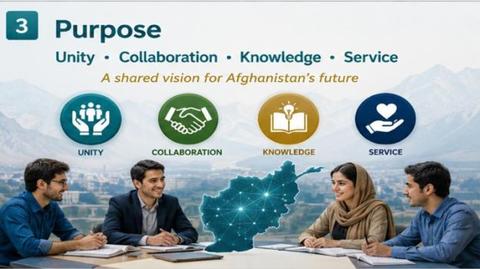
This vision also responds to a growing need within SAE for a unified, structured approach to online education—one that connects our global membership and provides consistent access to high-quality learning opportunities. By outlining a practical model that SAE can adopt and scale, the presentation offers readers a clear sense of how this initiative can strengthen the organization’s long-term educational mission.
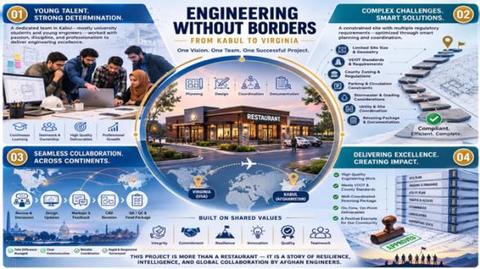
One of the slides presents a case study “Engineering without Borders,” illustrating how this vision can work in practice. It shows, in a concrete and relatable way, how an online education initiative can be designed, delivered, and improved over time. The case study is included not as theory, but as a real example to help readers visualize how the proposed roadmap can be applied and replicated.
As you go through the slides, you will see that they are concise in form but rich in content. They are meant to speak for themselves—offering a clear structure, defined timelines, and a phased approach to expanding SAE/AEBT online education. I hope you find this proposed vision thought-provoking, practical, and worthy of further discussion as we collectively shape the next chapter of SAE’s development.
Afghan Education for a Better Tomorrow (AEBT) In Partnership with the Society of Afghan Engineers (SAE)
Quarterly Education Report Second Quarter (July – September 2026)
By: Ghulam M Feda
Executive Summary
During the third quarter of 2026, Afghan Education for a Better Tomorrow (AEBT), in partnership with the Society of Afghan Engineers (SAE), continued to provide Afghan students with access to higher education and professional development through online instruction. Volunteer professors, engineers, architects, and other specialists contributed their knowledge and experience by teaching courses in several academic and technical fields.
Educational Activities
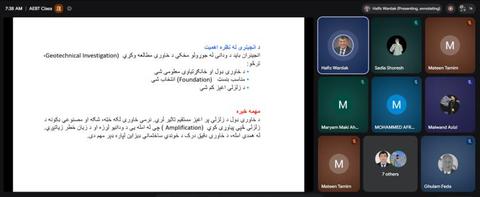
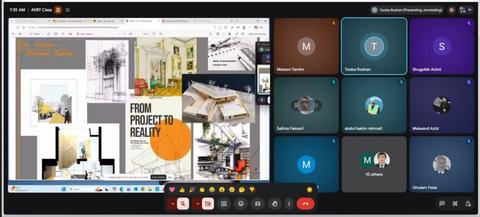
The following courses were offered during this reporting period:
| Course | Instructor |
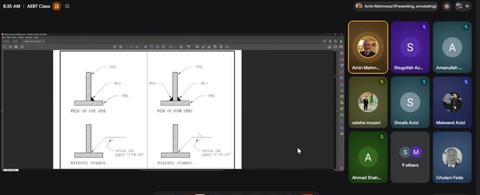
| Steel Structures | Eng. Amin Mahmood |
| Structural Analysis | Ustaad Hafiz Wardak |
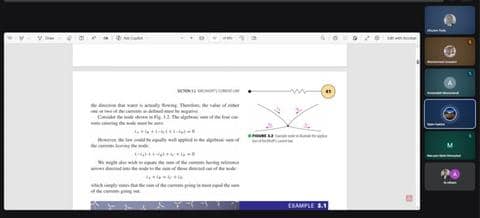
| Electrical Circuit Analysis | Eng. Naim Hakimi |
| General Architecture and Interior Design | Arch. Tooba Roshan, Arch. Yusuf Afrooz, and Arch. Mehrangez Danishwar |
| English Literature and Writing | Prof. Dennis Briskin |
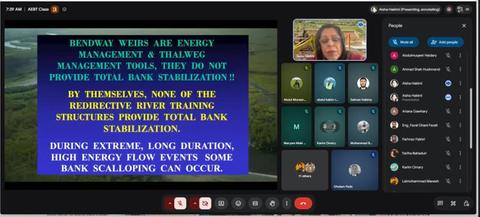
| Bendway Weirs | Eng. Aisha Hakimi |
| Construction Quality Management | Dr. Gul Afghan Saleh |
Program Impact
These educational activities covered important areas such as civil engineering, electrical engineering, architecture, interior design, water-resources engineering, construction quality management, and English language studies. Through these courses, students strengthened their academic knowledge, developed practical skills, and gained exposure to modern concepts relevant to their university education and future careers.
Strategic Collaboration
Throughout the quarter, AEBT and SAE continued working together to broaden educational access and improve the quality of online learning opportunities available to Afghan students. Both organizations also remained committed to developing stronger relationships with universities, educators, and professional institutions that share their educational mission.
Acknowledgment
AEBT and SAE express their sincere gratitude to the volunteer instructors, academic coordinators, supporting professionals, and participating students. Their dedication, cooperation, and continued commitment made the educational programs offered during the third quarter of 2026 possible.

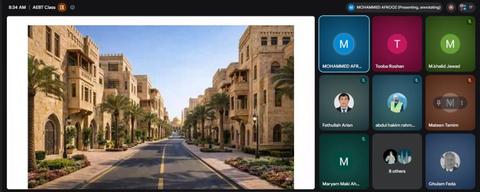
Instructor Recognition
Certificates of Appreciation were awarded to all volunteer instructors and individuals in Kabul who helped coordinate the classes, support the students, and facilitate the program. The certificates were presented in person to those who attended the Society of Afghan Engineers General Assembly Meeting 2026 (SAE GAM-2026) in Toronto, Canada.
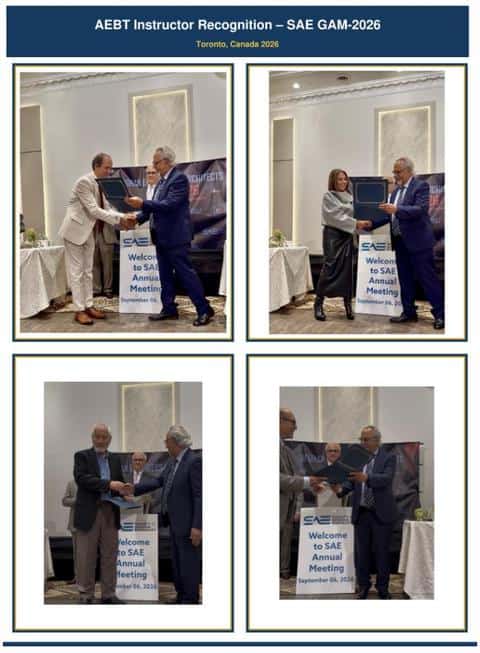
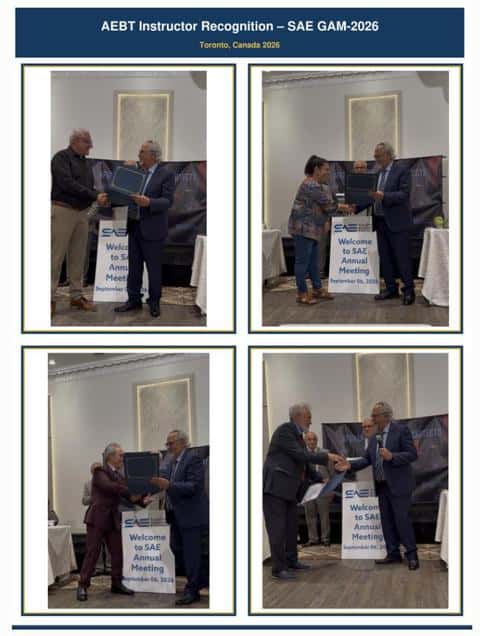
Eng. Ghulam M. Feda, President of Afghan Education for a Better Tomorrow (AEBT), presented recognition and appreciation certificates to the following instructors: Eng. Manan Khalid, Arch. Tooba Roshan, Eng. Amin Mahmood, Arch. Najim Azadzoi, Arch. Homayoun Ibrahim, Eng. Aisha Hakimi, Dr. Gul Afghan Saleh, and Arch. Yusuf Afrooz.
The following instructors and supporters were unable to attend SAE GAM-2026 in Toronto, Canada: Hafiz Wardak, Naim Hakimi, Amanullah Mommandi, Dennis Bristin, Walid Howaida, Maryam Ahmadzai, Mehdi Sabet, Bashir Kazimee, and Bahawodin Baha. AEBT and SAE sincerely appreciate their dedication and valuable contributions to expanding educational opportunities for students in Afghanistan.
New Book: The Self-Sufficient Immigrant in the Age of AI
A Field Manual for the Work of Standing Again
By: Atta Arghandiwal & Sohrab Rasouli
234 pages · Foreword by Masoud Juya, MD, MS, PhD · 2026 Paperback 979-8-9948577-1-7 · Hardcover 979-8-9948577-2-4 · EPUB 979-8-9948577-4-8
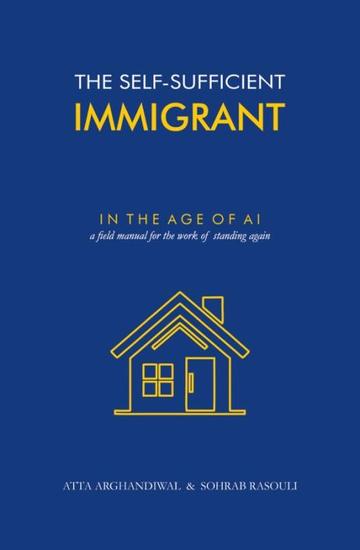
Most accounts of displacement end at arrival. This book begins there, in the ordinary stretch that follows: the letter to answer, the appointment to keep, the work to find while life is still unsettled. It was written by two Afghan authors, a generation apart, who have each done that work themselves.
The central claim is definitional. Self-sufficiency, as used here, is the capability to act with judgment inside real interdependence; it is not the fantasy of needing no one. Help is not failure, and dependence is not shame.
Two structures carry the material. The Self-Sufficiency House names five domains of stability: physical, systems, social, digital, and judgment. A four-stage spine runs from Restart to Floor to Bridge to Long Game. Thirteen chapters apply the model to records, institutional literacy, health, household pressure, language and bridge employment, credential transfer, earning, money, and protection from fraud. Each closes with working tools, and a final matrix turns the framework into a thirty-day plan, with an appendix carrying the source trail.
Artificial intelligence is treated as a tool to be kept small in the hand and large in the judgment: useful for preparing, translating, comparing, and rehearsing, never the authority on status, health, money, or rights. The book is equally direct that such systems are also used to watch and misread people on the move.
The authors stay precise about limits. A careful file does not make a broken system just, and receiving institutions still owe lawful process, language access, and honest forms. Written for people rebuilding, and for the caseworkers, sponsors, teachers, and employers working beside them.
About the Authors
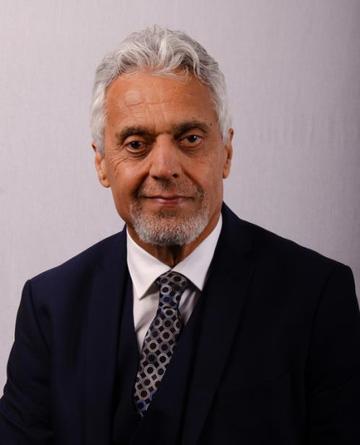
Atta Arghandiwal was born in Kabul and forced to leave Afghanistan after the 1978 coup and the Soviet invasion. He served in the Afghan Air Force, lived as a refugee in Germany, and reached the United States in December 1981 with basic English and ten dollars. He began as a bank teller and completed a twenty-nine-year career in financial services as a Senior Vice President and Regional Manager. He is the author of Immigrant Success Planning, The Self-Sufficient Global Citizen, and the award-recognized memoir Lost Decency, and he leads the Accountability Circle, a mentorship initiative for people building independent lives while lifting those who follow.
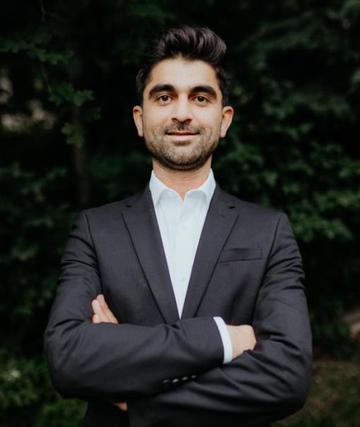
Sohrab Rasouli belongs to a later wave of Afghan displacement. He left home young, crossed borders alone, and rebuilt more than once in more than one country. Before working with artificial intelligence, he took the jobs that teach the body what restarting costs, then served newcomers directly as an employment specialist. Two things he learned run through this book: there is a distance between ability and access, and proof usually has to be rebuilt before a door will open. He is the founder of Noura, an artificial-intelligence project for employment-support teams, built on one discipline: technology should help deeply, but it must never replace human judgment.
Afghanistan’s Architectural Crossroads: Between Imitation and Identity
BY: Mustafa Karimi, PhD
Ritsumeikan University, Japan
Disclaimer: The views and information expressed in this article are those of the author. The SAE is not responsible for the accuracy of the data, references, or recommendations provided in this article.)
Introduction
Architecture is among the most enduring and tangible expressions of a society’s culture, history, accumulated knowledge, technological capabilities, and relationship with place. Beyond its primary function of providing shelter, architecture shapes human experience, influences patterns of social interaction, and contributes to the formation of individual and collective identities [1-3]. The built environment, therefore, serves not merely as the physical setting of everyday life, but also as a cultural artifact through which societies express their values, aspirations, and evolving understanding of themselves [4]. Buildings and cities are both products of social, cultural, environmental, and technological forces and active agents in shaping human behavior and perceptions of place [2,3]. Consequently, architecture occupies a unique position at the intersection of culture, technology, and society, playing a fundamental role in defining the character, continuity, and future development of communities [3,4].
Historically, Afghanistan developed a rich architectural tradition rooted in environmental adaptation, local materials, cultural continuity, and practical wisdom. Traditional settlements, courtyard houses, bazaars, mosques, and civic spaces evolved through centuries of responding to climate, geography, available resources, craftsmanship, and social needs [5]. In Afghanistan, traditional housing forms in cities such as Kabul, Herat, Balkh, and Ghazni have been shaped by geographical and climatic conditions as well as by social and cultural practices [5]. Architectural solutions emerged gradually through observation, experimentation, and adaptation, resulting in buildings that were deeply connected to their environmental and cultural contexts.
Over the past two decades, however, Afghanistan has experienced an unprecedented period of urban growth and construction activity [6,7]. Globalization, migration, digital media, foreign investment, and increased exposure to international architectural trends have transformed the country’s-built environment. While these developments have expanded access to new ideas, technologies, and design approaches, they have also contributed to an architectural condition characterized by uncertainty, fragmentation, and an ongoing search for identity [6].
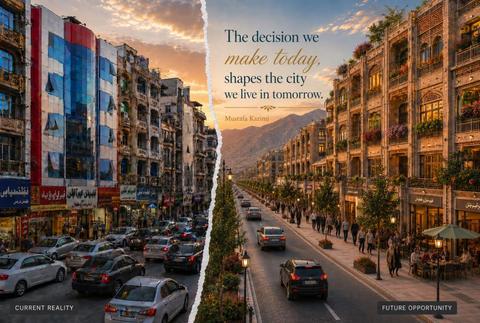
Today, many cities across Afghanistan present a complex architectural landscape in which diverse stylistic influences coexist, often without a clear relationship to local climate, construction realities, material performance, or urban context. Buildings increasingly appear to be shaped by visual references rather than architectural principles. This condition raises important questions regarding the future direction of architecture in Afghanistan and the role architects, educators, builders, and policymakers must play in shaping a more coherent, contextually responsive, and sustainable built environment.
Discussion
The contemporary architectural landscape of Afghanistan reflects a complex interplay of globalization, migration, technological advancement, and cultural transformation. One of the most significant outcomes of this process has been the growing prevalence of image-based architecture, in which buildings are increasingly conceived, evaluated, and promoted according to their visual appearance rather than their environmental performance, construction quality, material durability, lifecycle considerations, or contribution to the broader urban environment.
The rapid circulation of architectural imagery through social media, digital platforms, international travel, and migration has profoundly influenced contemporary architectural production in Afghanistan. Designers, builders, developers, and clients now have unprecedented access to global architectural precedents, while decades of migration have introduced additional architectural influences from countries such as Iran and Pakistan. Consequently, forms and stylistic expressions associated with the Gulf States, Turkey, Iran, and Pakistan have become increasingly visible throughout the cities. However, the challenge lies not in the exchange of architectural ideas itself, but in the tendency to adopt architectural forms as visual references without a sufficient understanding of the environmental, structural, material, technological, and cultural principles that originally shaped them.
A further challenge arises from the tendency to reproduce architecture through visual memory rather than architectural understanding. Buildings encountered abroad, online, or through social media are often copied based on their most recognizable visual features rather than the principles that generated them. Because these references are frequently incomplete and local construction conditions differ substantially from those in their original contexts, architectural forms are rarely reproduced accurately. Instead, they are selectively interpreted, modified, and combined with other influences, resulting in buildings that often lack stylistic coherence, contextual responsiveness, and functional clarity. The outcome is an increasingly fragmented built environment in which architecture reflects the accumulation of borrowed images rather than the application of a deliberate design philosophy.
This condition is further compounded by the limited dissemination of architectural knowledge across parts of the construction industry. In many instances, design decisions are formed by visual observation rather than critical architectural analysis. Buildings encountered abroad or through digital media are frequently reproduced without a comprehensive understanding of their construction methods, material technologies, environmental strategies, or long-term operational requirements. Consequently, architecture risks becoming an exercise in replication rather than interpretation, reducing opportunities for innovation, contextual responsiveness, and the development of a coherent contemporary architectural identity.
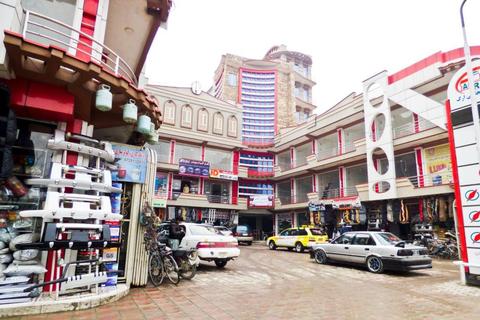
One of the most visible manifestations of this phenomenon is the emergence of highly eclectic architectural compositions. Many contemporary buildings simultaneously incorporate arches, classical columns, decorative moldings, oversized balconies, reflective glazing, colorful cladding systems, ornamental concrete projections, and multiple finishing materials. While each of these elements may possess architectural merit individually, their combination often produces façades that appear visually fragmented and disconnected from both local context and architectural logic.
A particularly notable example is the widespread use of aluminum composite panel (ACP) cladding. Over the past two decades, ACP has become a prominent feature of commercial buildings, apartment complexes, educational facilities, and mixed-use developments throughout Afghanistan. Metallic finishes, vibrant colors, reflective surfaces, and extensive glazing are increasingly employed to create visually expressive façades. Yet, despite serving fundamentally different purposes, many buildings share a remarkably similar architectural language. Universities, markets, wedding halls, gymnasiums, office buildings, and residential complexes frequently adopt comparable façade treatments, often relying on the same palette of colorful ACP panels and large glazed surfaces. This tendency weakens the relationship between architectural expression and building function, making it increasingly difficult for buildings to communicate their purpose, character, and role within the urban environment.
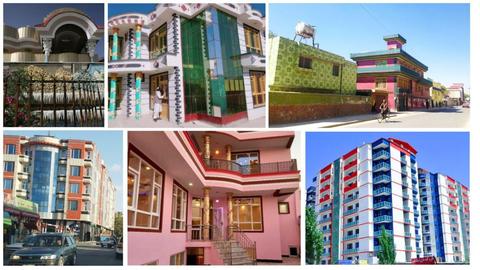
More broadly, many contemporary developments reveal a condition in which the façade increasingly functions as an independent image rather than as an integrated component of the building. Significant resources and design effort are devoted to exterior appearance, while comparatively less attention is given to environmental performance, spatial quality, material durability, maintenance requirements, and urban contribution. Architecture, however, is not merely the production of images. A façade is not simply a visual composition; it is a building system that must simultaneously respond to climate, construction, maintenance, human use, and urban context. When appearance becomes disconnected from performance, architectural quality inevitably suffers.
The challenges facing contemporary Afghan architecture extend beyond aesthetics. They also involve the relationship between design ambition and construction reality. Many contemporary buildings attempt to reproduce architectural forms developed within highly industrialized construction environments characterized by advanced technologies, specialized labor, sophisticated supply chains, and comprehensive regulatory frameworks. Yet local construction conditions often differ significantly from those contexts.
Consequently, designs that appear convincing in digital renderings may struggle to achieve comparable levels of performance, durability, and quality when constructed. Imported forms and materials are sometimes applied without a comprehensive understanding of their environmental behavior, construction requirements, or maintenance implications. Many buildings incorporate deep projections, inaccessible surfaces, decorative features, and extensive glazing without considering how these elements will be cleaned, repaired, or maintained throughout their lifespan.
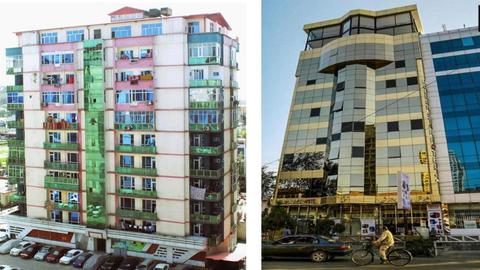
In urban environments characterized by dust, seasonal winds, air pollution, and ongoing construction activity, such oversights can lead to rapid visual deterioration. Brightly colored ACP panels, reflective surfaces, and complex façade systems often require regular maintenance to preserve their intended appearance. Without adequate planning, buildings may quickly experience staining, weathering, dust accumulation, material degradation, and declining visual quality. This raises a fundamental architectural question that is too often overlooked: How will the building age?
Architecture should be evaluated not only by its appearance upon completion but also by its long-term performance, durability, adaptability, and ability to remain functional over time.
A well-designed building should respond to the realities of everyday life. Yet many contemporary developments reveal a disconnect between how spaces are designed and how they are ultimately used by occupants. The widespread enclosure of balconies provides a clear example. Residents frequently modify balconies through glazing systems, aluminum framing, and improvised enclosures in order to improve thermal comfort, increase privacy, reduce dust infiltration, or create additional usable space.
Similarly, many apartment buildings fail to accommodate routine household activities. Despite being an essential aspect of daily life, dedicated laundry-drying spaces are frequently omitted from residential developments. Consequently, residents develop improvised rope-and-pulley systems extending between balconies, windows, and neighboring buildings. In some housing complexes, networks of cables stretch across courtyards and communal spaces, creating informal infrastructures suspended above shared areas.
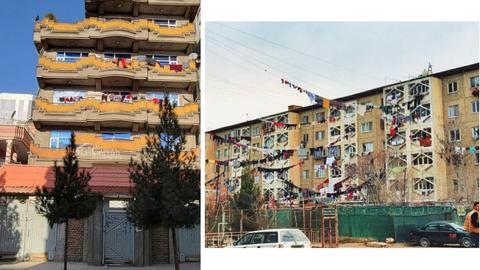
The proliferation of external air-conditioning units presents another visible symptom of this disconnect. Outdoor condensers, exposed drainage pipes, electrical wiring, and service penetrations frequently dominate building façades. Beyond their visual impact, these installations reveal insufficient coordination between architectural and mechanical design and often indicate an overreliance on mechanical systems at the expense of passive environmental strategies.
Collectively, these modifications reveal an important reality: architecture is often designed for images rather than for living. Buildings may appear impressive in renderings and photographs, yet fail to accommodate the practical requirements of everyday life. Occupants, therefore, become designers themselves, modifying buildings to satisfy needs that were not adequately considered during the original design process.
These challenges extend beyond individual buildings and increasingly affect the character of Afghan cities. Historically, architecture contributed to the formation of coherent streets, neighborhoods, courtyards, and public spaces. Buildings participated in a broader urban framework and contributed to a collective architectural identity. By contrast, many contemporary developments are conceived as isolated visual objects competing for attention through scale, ornamentation, color, or façade complexity. The cumulative result is a fragmented cityscape in which visual inconsistency often overshadows coherence, legibility, and a sense of place.
Yet these challenges should not be interpreted solely as failures. They also represent valuable learning opportunities. Afghan cities themselves constitute a vast repository of architectural lessons. Every enclosed balcony, improvised clothes-drying system, exposed air-conditioning unit, poorly shaded façade, inaccessible rooftop, maintenance problem, or underutilized public space reveals information about how buildings succeed, fail, and evolve over time.
One of the most promising pathways toward improving architecture in Afghanistan lies in cultivating a culture of observation and critical reflection. Architects, builders, developers, and students should view the city as a living laboratory. Rather than relying exclusively on foreign precedents or digital imagery, they should systematically study existing buildings and ask why residents modify them, what problems they are attempting to solve, and how future projects might address those needs more effectively. Cities are not transformed through a single iconic project or architectural movement. They improve when designers consistently identify recurring problems and resolve them one project at a time.
Traditional Afghan architecture offers valuable lessons in this regard. For centuries, buildings evolved through direct engagement with climate, materials, culture, and human needs. Courtyards moderated microclimates, thick walls reduced temperature fluctuations, and carefully positioned openings balanced daylight, ventilation, privacy, and thermal comfort. Materials were generally employed in accordance with their inherent properties and limitations, thereby creating a strong relationship among construction methods, environmental performance, and architectural expression.
These principles remain highly relevant today—not as historical forms to be replicated, but as sources of knowledge to be reinterpreted through contemporary technologies and design approaches.
Conclusion
Afghanistan stands at a critical architectural crossroads. The rapid urban transformation of recent decades has introduced new opportunities, technologies, and design possibilities. At the same time, it has exposed the challenges associated with architectural imitation, stylistic fragmentation, façade-centered design, image-driven development, and the growing disconnect between architectural representation and lived reality.
The principal challenge facing contemporary architecture in Afghanistan is not the presence of foreign influences, but the replication of architectural images without a corresponding understanding of the environmental, material, technical, cultural, and urban principles that produced them.
The future quality of Afghanistan’s built environment will depend not upon the quantity of influences it absorbs, but upon its ability to critically interpret, adapt, and integrate those influences within a coherent architectural framework. Architecture must move beyond the pursuit of visual novelty and engage more deeply with climate, construction, maintenance, human behavior, urban responsibility, and cultural identity.
Ultimately, architecture should be judged not only by how buildings appear, but by how they perform, how they age, how they accommodate everyday life, and how they contribute to the character of cities. By learning from both its architectural heritage and its contemporary challenges, Afghanistan has the opportunity to cultivate a distinctly modern architectural identity—one that is innovative without being imitative, contemporary without being disconnected from place, and globally informed while remaining authentically Afghan.
References:
[1] A. Rapoport, House Form and Culture. Englewood Cliffs, NJ, USA: Prentice-Hall, 1969.
[2] B. Hillier and J. Hanson, The Social Logic of Space. Cambridge, U.K.: Cambridge University Press, 1984.
[3] Y.-F. Tuan, Space and Place: The Perspective of Experience. Minneapolis, MN, USA: University of Minnesota Press, 1977.
QUARTERLY UPDATE FROM THE SOCIETY OF AFGHAN ENGINEERS, Volume 17, Issue 3 30
[4] A. Rapoport, Culture, Architecture, and Design. Chicago, IL, USA: Locke Science Publishing Company, 2005.
[5] S. Frotan and K. I. Samoilov, “Traditional housing in Afghanistan,” Foundations and Trends in Modern Learning, no. 2, May 2023.
[6] H. A. Javid and T. Kidokoro, “Institutional framework for collaborative urban planning in Afghanistan in view of the transferring process of international urban planning systems,” International Journal of Built Environment and Sustainability, vol. 2, no. 3, pp. 177–182, 2015, doi: 10.11113/ijbes.v2.n3.79.
[7] World Bank, Leveraging Urbanization in Afghanistan. Washington, DC, USA: World Bank, 2015.
Biography of DR. Mustafa Karimi

Mustafa Karimi is an architect and researcher specializing in sustainable architecture, indoor environmental quality, and building performance. He earned his Bachelor of Architecture (B.Arch.) from the Maulana Azad National Institute of Technology (MANIT), Bhopal, India, and subsequently obtained both a Master of Science (M.Sc.) and a Doctor of Philosophy (Ph.D.) from Ritsumeikan University, Japan.
Prior to pursuing advanced academic research, Mr. Karimi gained 3.5 years of professional experience with the Ministry of Urban Development and Housing (MUDH) of Afghanistan, where he contributed to a range of architectural design projects. His work and research focus on the relationship between the built environment, occupant well- being, and environmental sustainability, with particular emphasis on indoor environmental quality, thermal comfort, energy-efficient design, and sustainable building strategies.
Drawing upon both professional practice and academic scholarship, Mr. Karimi is committed to advancing evidence- based design approaches that promote healthy, resilient, and environmentally responsible built environments. His work seeks to integrate architectural design, building science, and sustainability principles to address contemporary challenges and contribute to the development of high-performance, human-centered built environments.
The Zamzam Well: Hydrogeology, Water Chemistry, and Analytical Findings
By: Eng. Abdulwahid Alami, P.Eng – Canada
(Disclaimer: The views and information expressed in this article are those of the author. The SAE is not responsible for the accuracy of the data, references, or recommendations provided in this article.)
1. Background and Site Setting
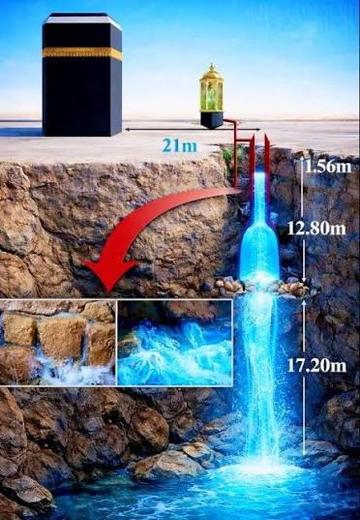
The Zamzam well is located within Masjid al-Haram in Makkah, Saudi Arabia, roughly 20 m east of the Kaaba. Islamic tradition holds that the spring appeared when the angel Jibril struck the ground near the infant Ismail, providing water for his mother Hajar after her search between the hills of aş-Şafā’ and al- Marwa — the origin commonly given for the well’s name, from Hajar’s call to “gather” (“zam, zam”) the flowing water. The well and the rites of Hajj and Umrah have remained linked to this site ever since, and millions of pilgrim’s drink or carry home Zamzam water each year.
The Zamzam well receives its waters from benthic rocks through three rocky cracks that extend from down the Honourable Kaʿba to the side of aş-Şafā’ and al-Marwa and meet in the well. According to the pump figures, between 11 to 18.5 litres of water are pumped out in only one second. Then try to measure how much water has been pumped out from the well since Jibrīl (Angel Gabriel) scraped the ground with his heel and made the water spout up for Ismāʿīl and Hājir, peace be upon both of them! How many people find and have found their thirst quenched by it! Generations and generations of people.
This article sets the devotional history aside and focuses on what has been documented about the well’s physical setting and the measurable properties of the water itself.
2. Well Construction and Hydrogeological Setting
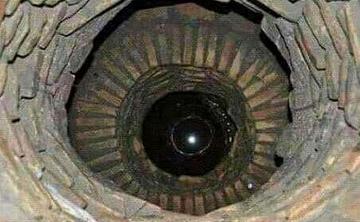
The well shaft is roughly 30–35 m deep and sits within the alluvial and fractured bedrock system of Wadi Ibrahim, the valley in which Makkah is built. It draws from a shallow aquifer recharged mainly by infiltration of storm runoff through fractured limestone and igneous rock in the surrounding highlands, rather than from a large regional aquifer, a recharge pattern typical of arid, fracture-flow hydrogeological settings in the Arabian Shield.
Since 2000, the Zamzam Studies and Research Center (ZSRC), operated by the Saudi Geological Survey, has been responsible for characterizing this system. Its work includes long-term water-level and quality monitoring via data-loggers (tracking level, temperature, electrical conductivity, TDS, and pH), rainfall- recharge modeling for Wadi Ibrahim’s catchment, and periodic aquifer pump tests to define a sustainable extraction rate as demand from pilgrims has grown. Historical pump testing has shown the well can sustain high short-term extraction rates with rapid water-level recovery once pumping stops, which is consistent with a well-connected fracture network rather than a static, isolated reservoir.
In 2013, extraction and distribution were modernized under the King Abdullah bin Abdulaziz Zamzam Water Project (KAZWP): water is drawn through sealed stainless-steel piping to a treatment facility at Kudai, about 5 km from the mosque, where it undergoes filtration and UV disinfection before bottling and distribution — steps aimed at hygienic handling rather than at altering the water’s chemistry.
3. Water Chemistry: Quantitative Findings
Multiple independent laboratory studies, using standard methods such as those of the American Public Health Association (APHA), have characterized Zamzam water using techniques including gravimetric TDS determination, Inductively Coupled Plasma–Optical Emission Spectrometry (ICP-OES) and ICP– Mass Spectrometry (ICP-MS) for major cations and trace metals, and ion chromatography for anions.
Representative parameters reported across studies:
| Parameter | Typical Reported Range | Notes |
| pH | ~7.5-8.2 | Mildly alkaline |
| Total Dissolved Solids (TDS) | ~670-815 mg/L | Below WHO’s 1000 mg/L limit; some studies exceed the (non-enforceable) US EPA aesthetic guideline of 500 mg/L |
| Calcium (Ca²⁺) | ~20–95 mg/L | Varies notably between studies and sampling points |
| Magnesium (Mg²⁺) | ~11–42 mg/L | |
| Sodium (Na⁺) | ~68–210 mg/L | |
| Potassium (K⁺) | ~33 mg/L (reported range) | |
| Sulfate (SO₄²⁻) | ~60–65 mg/L | |
| Fluoride (F⁻) | ~0.7 mg/L | Within WHO drinking-water limits |
| Nitrate | ~16 mg/L | |
| Heavy metals (Pb, Cd, As, Al, etc.) | Trace to non-detect | Reported well below WHO/EPA maximum allowable limits |
The spread in absolute values between studies reflects differences in sampling location (tap vs. bottled), season, analytical instrumentation, and possibly short-term variation in the aquifer’s flow paths — not disagreement about the water’s general character. Every published analysis agrees on two points: the water is classified as a mineral-rich, mildly alkaline groundwater, and virtually all measured parameters fall within WHO and US EPA drinking-water guidelines, with TDS being the one parameter that occasionally lands between the WHO and the stricter (aesthetic, non-health-based) EPA thresholds.
4. Microbiological Quality
Routine and academic testing has consistently reported the well and distribution system free of coliform bacteria and other pathogenic contamination at the point of collection and after bottling. Some longitudinal studies examining bottled samples stored for one to three years found no biological or vegetative growth and no significant shift in taste, odor, color, or pH over that storage period — attributed to the combination of the water’s natural mineral profile, UV disinfection at the KAZWP facility, and sealed bottling.
5. Geochemical Character and “Fingerprinting”
Researchers have used multi-elemental analysis (in some studies profiling more than 50 elements via ICP-MS) together with hydrochemical and isotopic techniques to characterize the water’s “fingerprint” — the trace-element and mineral signature that reflects the rock types and residence time the water experiences as it moves through the aquifer. This type of analysis is what allows ZSRC to link water chemistry back to specific recharge zones and flow paths within Wadi Ibrahim’s catchment, supporting both water-management modeling and quality-assurance testing (samples are reportedly analyzed on a weekly basis).
6. Sustainability and Yield Management
Because the aquifer is recharged by episodic rainfall typical of an arid climate, ZSRC’s central technical task has been estimating a sustainable yield — the extraction rate the well can support without depleting the surrounding water table — and advising mosque authorities on pumping schedules accordingly. This has involved coupling rainfall-recharge data from stations across the catchment with a hydrogeological model of the aquifer, alongside engineering works to route stormwater so that more of it recharges the aquifer rather than running off. Despite large seasonal variation in rainfall and steadily rising demand from a growing number of pilgrims, monitoring records indicate the well has not run dry.
7. Interpreting the Evidence
From an engineering and geochemistry standpoint, Zamzam water is best described as a mineral-rich, mildly alkaline groundwater drawn from a fractured-rock aquifer with a well-documented, actively managed recharge system, and consistently compliant with international drinking-water standards. No controlled clinical trial has established disease-curing or uniquely therapeutic properties beyond what would be expected of a clean, mineral-bearing water; some smaller studies have investigated specific physiological effects (for example, in reproductive-endocrine research), but these findings have not been established through the kind of high-quality, replicated clinical evidence that would support therapeutic claims.
Analytical chemistry and hydrogeology can characterize what is dissolved in the water and how it moves through the ground. They are not tools that can assess — and this article does not attempt to assess — the spiritual or religious significance Muslims attach to Zamzam. That remains a matter of faith, separate from the physical and chemical record summarized here.
Conclusion
From an Islamic perspective, Muslims believe it is a blessed water with special spiritual significance based on authentic teachings of the Prophet Muhammad ﷺ. Science neither proves nor disproves those religious beliefs, it can only study the water’s measurable physical and chemical characteristics.
References:
• Sources synthesized from published analyses using APHA standard methods, ICP-OES/ICP-MS elemental analysis, and Saudi Geological Survey / Zamzam Studies and Research Center technical reporting.
• ZamZam water`s virtue, by Maḥmūd Ibn Aḥmad al Dosary (PhD)
• ZamZam water, By MuhamaD Abd Al Aziz.
Biography of Abdulwahid Alami
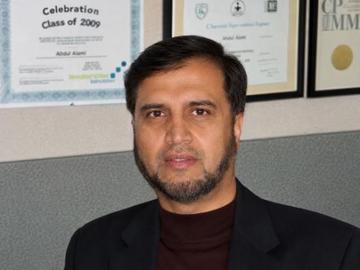
Abdulwahid Alami holds a Bachelor’s degree in Mechanical Engineering from University of Kabul and is a licensed Professional Engineer based in Alberta, Canada. With over 30 years of experience in asset and maintenance management, he currently serves as Team Lead of the Facility Condition Assessment team at Alberta Government, delivering training on proactive maintenance, project management, and condition assessment best practices across various industries.
Born and raised in Afghanistan, Abdulwahid completed his early education there before immigrating to Canada in 1986. He is the Founder of the AIYC Youth Club and Youth Center, and has led numerous youth development initiatives, including a Youth Mentorship Program, the Young Stars Soccer Academy, and a Youth Leadership Program. He currently coaches with FC AI and AC Milan soccer clubs and has completed leadership training through Leadership Canada.
Through the Youth and Family Empowerment Program, Abdulwahid conducts seminars equipping youth and families with skills to navigate life’s challenges. A prolific writer, he has authored articles on youth issues, religion, and politics, and has held leadership roles within various social and religious organizations, earning multiple awards for his community contributions. Abdulwahid has authored numerous technical booklets that document sound engineering principles and introduce innovative methodologies for implementing lean practices, improving efficiency, and promoting continuous improvement.
An international speaker, Abdulwahid has presented at conferences including the International Maintenance Conference (USA) and Smart Maintenance Conference (Europe), combining deep engineering expertise with lifelong community leadership.
Moving Afghanistan Forward
By: Dr. Edward Corcoran
(Disclaimer: The views and information expressed in this article are those of the author. The SAE is not responsible for the accuracy of the data, references, or recommendations provided in this article.)
It is now five years since the Taliban took control. The good news is that fighting has mostly stopped [1]. But the economy remains in a shambles as nearly four million Afghans have been forcibly returned since 2025. Hunger is widespread, women are forcefully repressed and millions of girls a kept out of school. [2]
Nevertheless, there are dozens of independent organizations with varying levels of international ties supporting Afghan education, agriculture and economy. A number of them have been working with the Society of Afghan Engineers, including Afghan Education for a Better Tomorrow. Supporting education in the Herat area and medical development throughout the country, its Board Chairman is on the SAE board. These independent organizations meet local government standards and work hard to support the Afghan people. But as individual organizations with minimal economic clout, they are hard pressed to influence government actions.
Any significant pressure for improvement has to come from within, from individuals, groups and organizations that work hard to promote development. The government promotes economic expansion as a necessary source of income, so needs to be supportive of economic organizations. Currently economic organizations are both small and disconnected, operating as best they can on their own. What is badly needed is to bring them together, to get them talking with one another, sharing ways they cooperate with the government, as well as opportunities for support and development.
Setting up some kind of Economic Development Network to bring economic organizations together could both support broad economic development and provide opportunities to influence government decisions. This could become a major field of interaction between the general populace and local governments, providing incentives for the government to listen to local people and for local people to express their concerns to local officials. By keeping a focus on positive economic actions, discussions could build an increasingly interactive situation at the village level and promote wider government attention to the people.
Setting up an Economic Development Network would not require significant funding or major group activities. SAE could set up a website that included provisions for group internet meetings. Individual SAE members could provide technical support and reach out to organization’s already active in Afghanistan, encouraging them to join in a collective effort. Setting up regular zoom discussions could build a strong community of people working for development within Afghanistan.
This would require expanding connections we currently have within country, providing small laptops and internet connections to individuals. Stressing this as a way of promoting economic development could help get government involvement. Watching from the outside does not provide the direct help that the Afghan people need NOW. SAE needs to put together a study group to assess how to promote economic and work with Afghan officials to make it happen. The United Nations has strongly encouraged Western nations to work with Afghanistan to maintain stability [3] so this would be a very positive step. SAE has been actively working with government officials on a number of projects, including limited humanitarian relief to the local population in the wake of the tragic natural disasters of floods and earthquakes in several parts of Afghanistan. Supporting an Economic Development Network would be a natural expansion of these earlier efforts.
References:
[1] Katrin Bennhold, Afghanistan’s Unhappy Anniversary, https://www.nytimes.com/2026/08/12/world/afghanistan-taliban-anniversary-eclipse-lakers.html?searchResultPosition=2, August 12, 2026.
[2] Abdul Qahar Afghan and Suzan Fraser, As Taliban marks 5 years in power in Afghanistan, U.S. warns of a rights crisis, https://www.latimes.com/world-nation/story/2026-08-15/as-taliban-marks-5-years-in-power-in-afghanistan-u-s-warns-of-rights-crisis, August 16, 2026.
[3] Elena Becatoros, UN officials urge Western nations to engage with Afghanistan to prevent it sliding into instability, https://apnews.com/article/afghanistan-taliban-unhcr-refugees-women-aid-undp-d1990690f91ac6858512e690d3b979c7, July 7, 2026.
Biography of Dr. Edward Corcoran
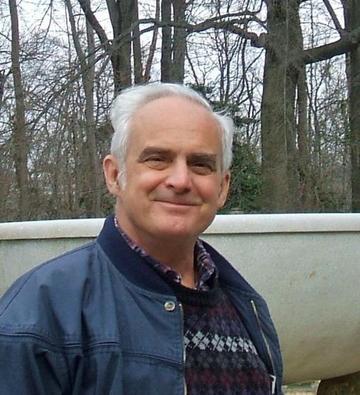
Edward Corcoran is a retired US army officer who ended his military career as a Strategic Analyst at the US Army War College where he chaired studies for the Office of the Deputy Chief of Operations. Prior to that, as a Soviet affairs specialist, he served on intelligence staffs, spent two years as a Liaison Office to the Commander-in-Chief, Group of Soviet Forces, Germany, and earned his Ph.D. in International Relations at Columbia University. In his primary military specialty as a Nuclear Weapons Officer, he also served on overseas assignments with depot units. After his military career, he served as a core member of the Secretary’s Safeguards and Security Task Force evaluating security throughout the Department of Energy complex. He also served as the Rapporteur of the Defense of Europe Working Group of the Common Security Program based in Oxford, England, and had extensive discussions with European specialists on NATO defense issues. Then he ran an energy efficiency company in Budapest, Hungary, for ten years. Most recently he has been working with the Afghan-American Chamber of Commerce to promote emergence of a more stable Afghanistan and developing assessments of Russia and the war in Ukraine.
Readers’ Comments and Responses
The Editorial Board of the SAE e-Newsletter invites comments and suggestions from our Society members and readers. Your feedback and responses may be shared with all readers in future editions of the SAE eNewsletter.
Comment: Eng. Manan Khalid
Muhtaram Kazimee Sahib,
It gives me great pleasure to see our eNewsletter evolve into such a high-quality publication, featuring engaging articles and outstanding technical content. The publication of the technical papers by Dr. Keshawarz, Eng. Feda, and Arch. Tooba has elevated the newsletter to a whole new level. I sincerely hope this is the beginning of many more valuable technical contributions in future editions.
Your hard work, vision, and dedication have been instrumental in this achievement. With your continued leadership and commitment, I am confident that the newsletter will become the flagship and that our Society will remain relevant, vibrant, and respected for generations to come.
As our elections are now underway, I also hope that the younger generation will step forward, become actively involved, and assume leadership roles within the Society. Their energy, fresh ideas, and commitment will help build upon the strong foundation that has been established and guide the Society toward an even brighter future.
Response: Bashir Kazimee, AIA
Thank you very much for your wonderful note of appreciation and thoughtful comments. I truly appreciate your feedback.
Comment: Eng. Amanullah Mommandi
Dear Kazimee Sahib Salaam
Thank you for the wonderful work you are doing. Best luck
Response: Bashir Kazimee, AIA
Thank you, for your encouraging note!
Comment: Dr Said Sharif Hossaini
Dear Professor, Bashir Kazimee, AIA Editor-In-Chief SAE eNewsletter, Asallam-o-Alaikom, I hope you are in good health and spirits.
I acknowledge receiving your email, regarding “the 2026 second quarterly update on the activities of the Society of Afghan Engineers (SAE), featured in Volume 17, Issue 2 of the SAE eNewsletter.”
I am pleased and grateful that you have provided the link to my newly published book.
- The article “Qosh Tepe Irrigation Canal” by Dr. Sahib Saleh Keshavarz and Jalal Naser Sahib Faqiriar” is extremely interesting and promising.
- The rich article by Engineer Sahib Ghulam Fida: “The Unused Energy of Afghanistan” is appreciable because in today’s world, energy is the first word; technological modernization will be a great help for improving the environment.
- The article by architect Tooba Roshan has highlighted the beauties of Islamic architecture of our beloved Afghanistan.
As I see more attraction has been created in the SAE e-Newsletter. thank you and Editorial subcommittee, for kind efforts and volunteering. I wish you more success from God Almighty. I, in turn, wish all of you a happy and peaceful summer.
Sincerely
Response: Bashir Kazimee, AIA
Thank you so much, Dr. Sahib Hossainy, for your kind email. I greatly appreciate your contribution and for sharing your wonderful book review with our members.
Comment: Eng. Hafizullah Wardak
Mohtarem Kazimee Sahib, Salam:
Thank you for sharing the latest issue of the SAE Electronic Newsletter. I found the contents very interesting and informative. The Newsletter has a professional and pleasant format, complemented by excellent technical content.
I would also like to share a recommendation that has been on my mind for some time. On the front cover, where the issue number is currently shown as “Issue #…,” I suggest adding the publication period or date range for each issue. This would help readers immediately understand the timeframe covered by that particular issue. For example: Issue 3 (October 1 – December 31, 2026)
I believe including this information would add useful context to the cover and make it easier for readers to identify the publication period of each issue, particularly when referring to current or previous issues.
Thank you again for the excellent work on the Newsletter and for your continued efforts in making it both technically valuable and professionally presented.
With best regards,
Response: Bashir Kazimee, AIA
Dear Wardak Sahib, good to hear from you and thank you for your very encouraging words on the SAE eNwesletter. Your comment about including the date range is an excellent point, and I will definitely try to include it in the next issues.
Best regards,
https://www.afghanengineers.org/membership/
The Society of Afghan Engineers Office Holders
SAE Executive Committee Members:
- President: Jalal Masumi
- Vice President: Tooba Roshan
- Treasurer: Mahjan Saleh
- Secretary: Gul Afghan Saleh
SAE Board of Directors-Officers:
- A. Manan Khalid (Chairman), Ghulam Mujtaba (Vice Chairman)
SAE Board of Directors:
- Ghulam Mujtaba, Sharif Hossainy, Manan Khalid, Yar Mohabbat, Amanullah Mommandi, Hadi Rakin, Hashim Baluch, Ghulam Feda, and Zabi Zaca
SAE Past Presidents:
- Najim Azadzoi (2021-2023)
- Atiq Panjshiri (served two consecutive terms, 2015-2020)
- Ghulam Mujtaba (2011-2014)
- Abdul Hadi Rakin (2008-2010)
- M. Quasem Kadir (2007-2009)
- Abdul Hadi Rakin (2004-2006)
- Mohammed Hashim Rayek (2001-2003)
- Ahmad Wali Shairzay (1998-2000)
- Sohaila Sanie Shekib (1995-1997)
- Malik Mortaza (1993-1994)
SAE Representative in Afghanistan:
- Ahmad Walid Howaida
SAE eNewsletter Editor-in-Chief:
- Bashir Kazimee, AIA
SAE eNewsletter Editorial Board Members:
- Dr. Gul Afghan Saleh Ph.D., A. Manan Khalid, M.S., P.E., LEED AP, and Eng. Amanullah Mommandi, M.S., P.E.
SAE eNewsletter publication Website: https://afghanengineers.org/publication/
Subscribe/Unsubscribe: The subscription to the SAE e-Newsletter is free. If you are not receiving the SAE eNewsletter directly and would like to subscribe, please send a note to: bashirkazimee@gmail.com with the subject “Subscribe: SAE eNewsletter”. To unsubscribe, send a note with the subject “Unsubscribe: SAE eNewsletter”.
Disclaimer: The author, reporter, or agency of each publication, project, news, and products is included in this newsletter. Additional contact information of the authors and their agencies are available with the Editorial Board of the newsletter and may be provided upon request. The Editorial Board of the Society of Afghan Engineers, Executive Committee, Board of Directors, or any of its members are not liable for the accuracy or contents of the information. The reports and information are included as provided by the authors and agencies without any changes in the substance of the documents. The information about the agency products or services is not the SAE endorsement.